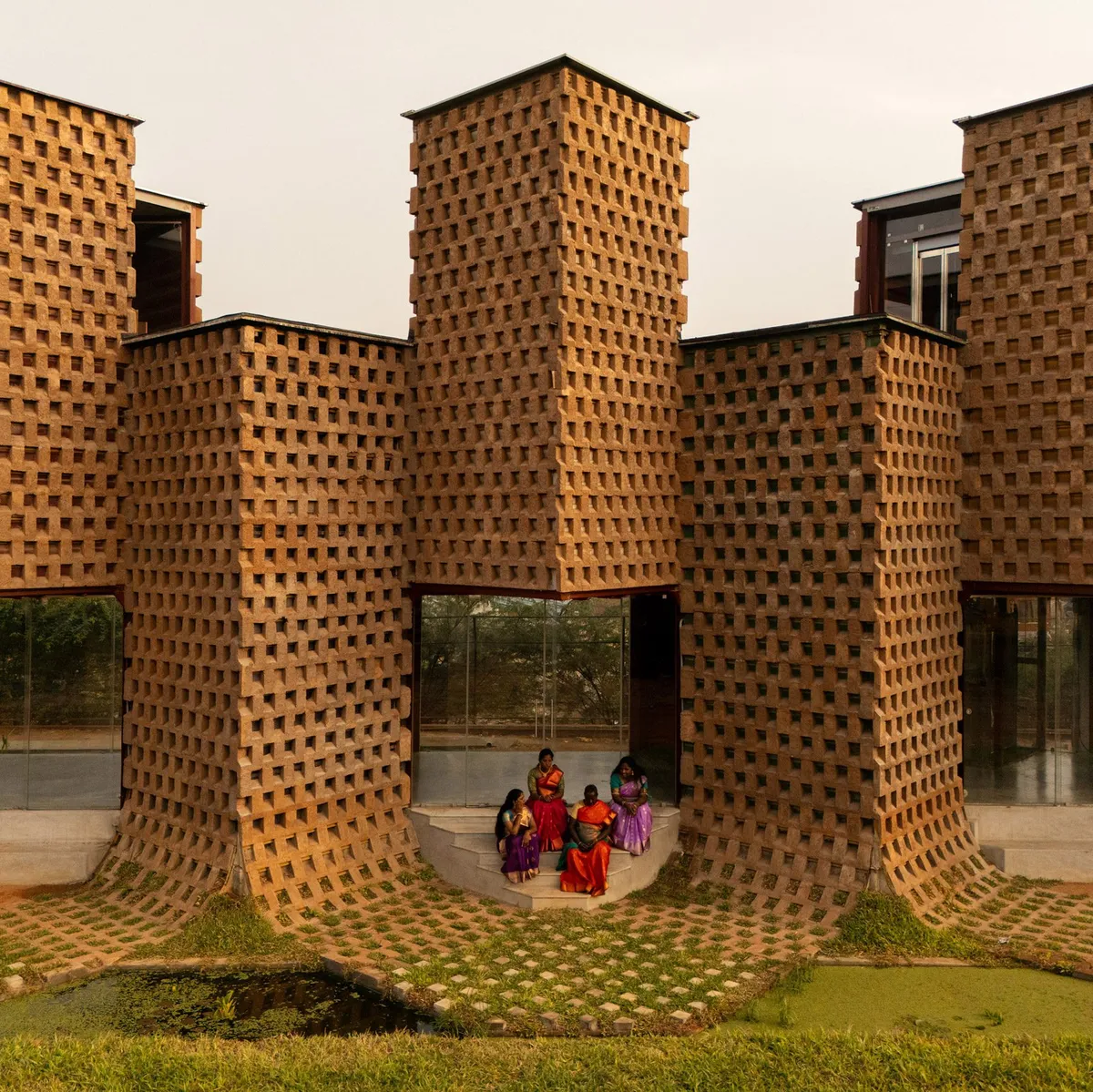
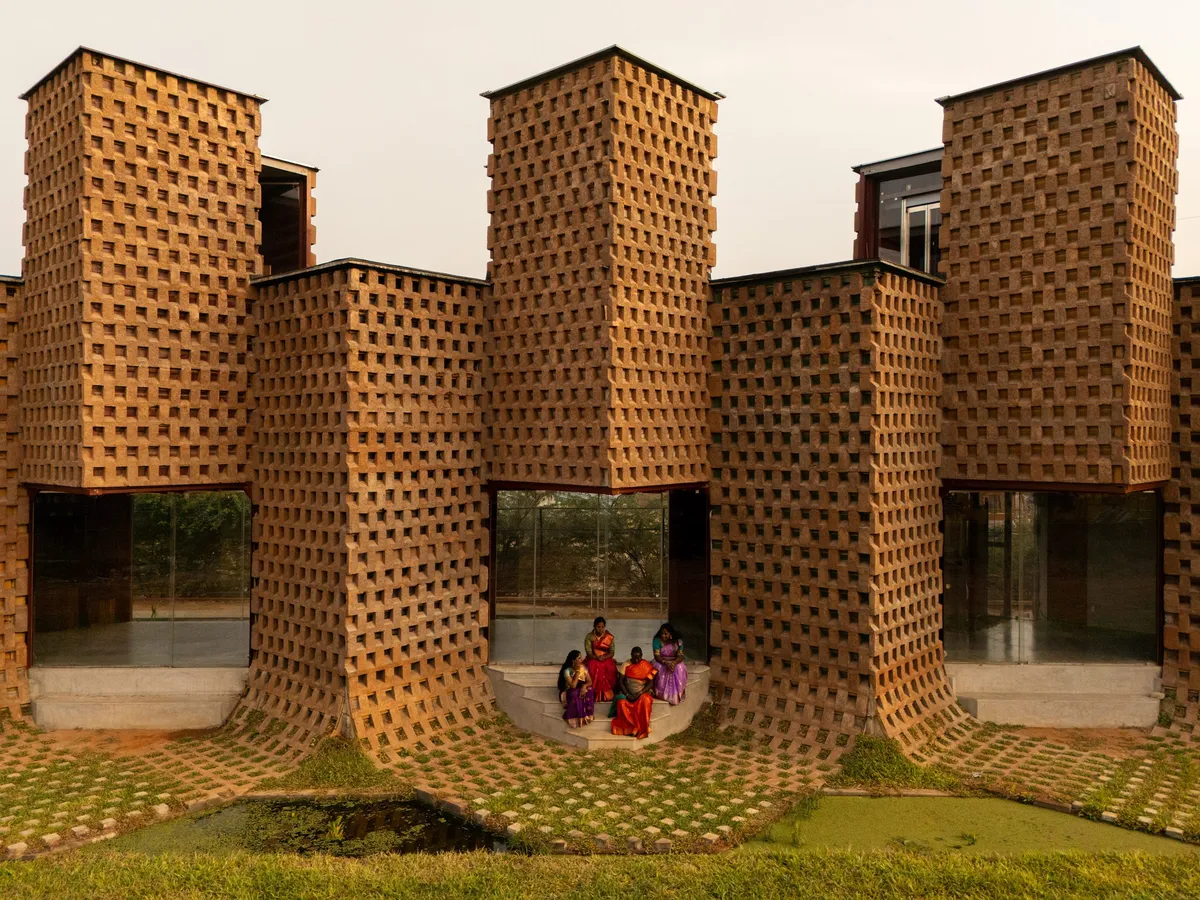
What happens when you coat discarded shipping containers in mud? If you're the Kerala-based studio Wallmakers, you get Petti - one of the most quietly radical restaurant designs to come out of India in recent memory.
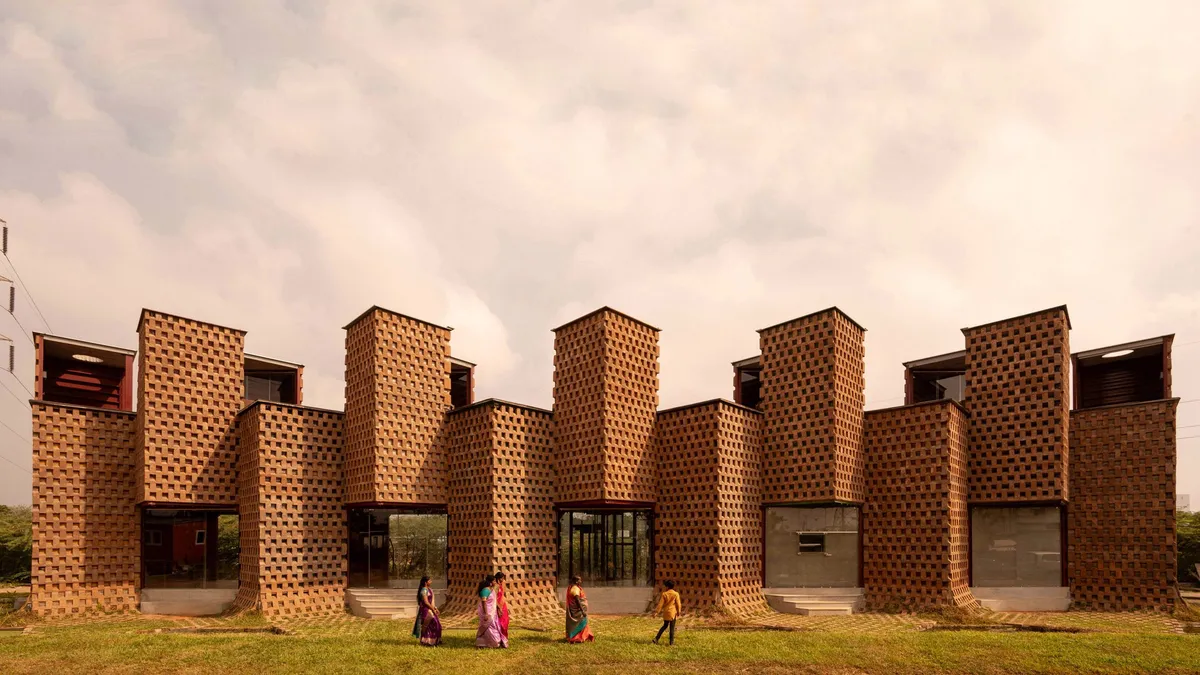
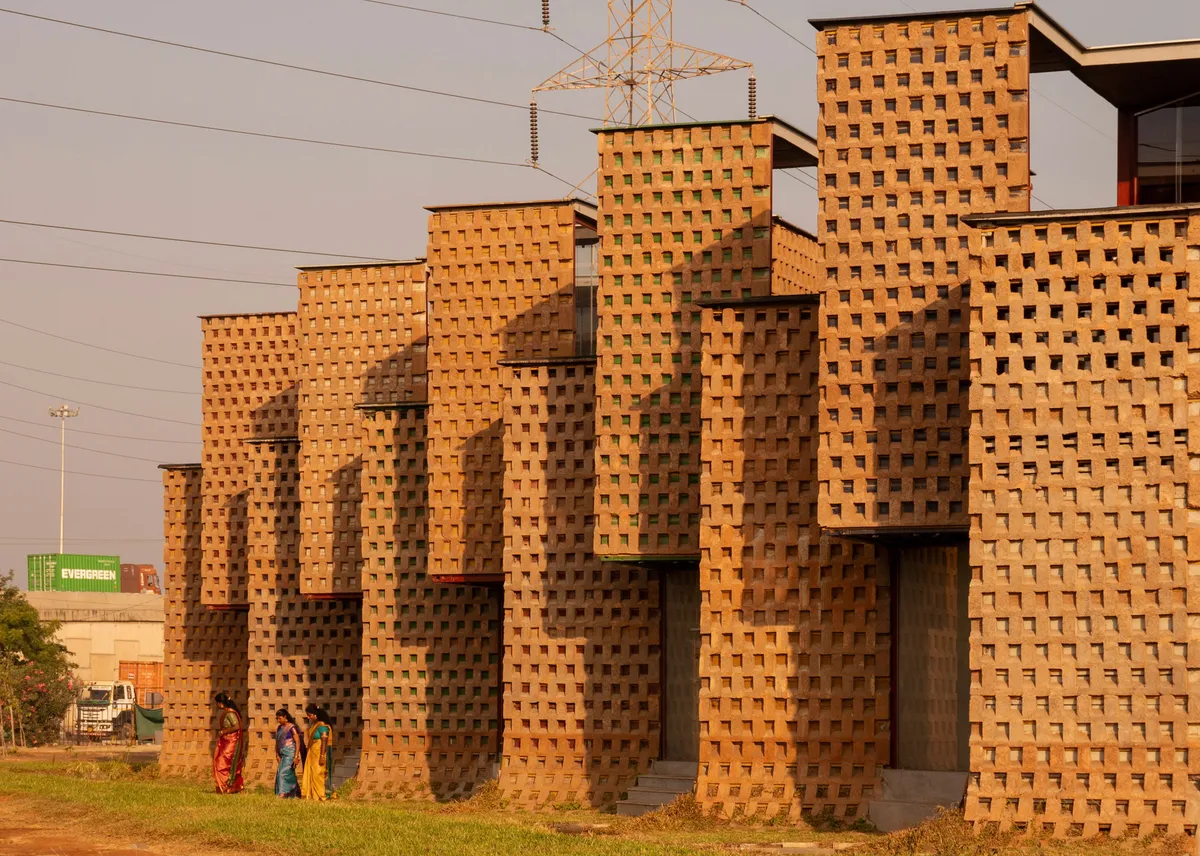
Located in Tuticori, an industrial port city in Tamil Nadu, the 439-square-metre restaurant takes its name from the Tamil word for box. The concept is straightforward but genuinely clever: a cluster of stacked shipping containers, the kind that pile up and rust in port cities like this one, slathered in a layer of poured earth. Industrial bones, ancient skin.
Why this project matters
The design works on multiple levels at once. Shipping containers are plentiful and cheap in Tuticori precisely because it's a working port - so using them as a structural base makes real economic and logistical sense. But raw containers are harsh, hot, and visually cold. Wrapping them in rammed or poured earth transforms the experience entirely, softening the aesthetic and - crucially for a hot coastal climate - adding thermal mass that helps regulate interior temperatures naturally.
It's the kind of thinking that feels obvious in retrospect, which is usually the mark of genuinely good design. Two materials that couldn't be more different - corrugated steel and raw earth - end up in conversation with each other, and the result feels rooted in its place rather than dropped into it.
Wallmakers and the mud movement
Wallmakers has built a reputation for working with earth-based construction in ways that feel contemporary rather than nostalgic. This isn't about recreating vernacular architecture for its own sake - it's about asking what local, low-impact materials can actually do when paired with modern construction thinking.
Petti sits on a narrow site, which makes the vertical stacking of containers a practical solution as much as a visual statement. The result, according to reporting by Dezeen, is a building that manages to feel both industrial and organic - a reflection of the city it sits in.
The bigger picture
Restaurants have become one of the most interesting testing grounds for experimental architecture, partly because clients are often willing to take risks in the name of atmosphere and identity. Petti is a strong example of what's possible when sustainability isn't treated as a constraint but as a creative brief.
In a moment when the design world is rightly obsessed with material honesty and low-carbon construction, a mud-coated container restaurant in a Tamil Nadu port city feels less like a novelty and more like a signpost.