If you've ever stood in front of a concrete monolith and felt something unexpected - maybe awe, maybe curiosity, maybe a strange pull toward its raw geometry - then the architecture movement getting a fresh spotlight right now might just be your next obsession.
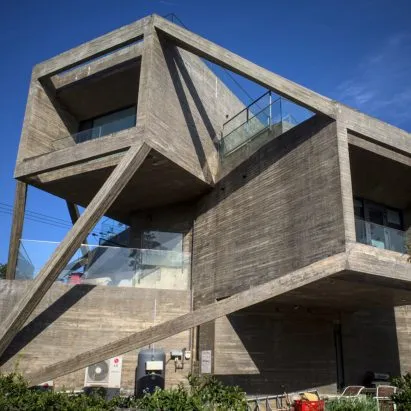
A new book titled Brutalist Korea, authored by Paul Tulett and reported on by Dezeen, dives deep into South Korea's surprisingly rich tradition of brutalist architecture. The country, better known in popular culture for K-pop and cutting-edge tech, turns out to have a fascinating built environment worth slowing down to appreciate.
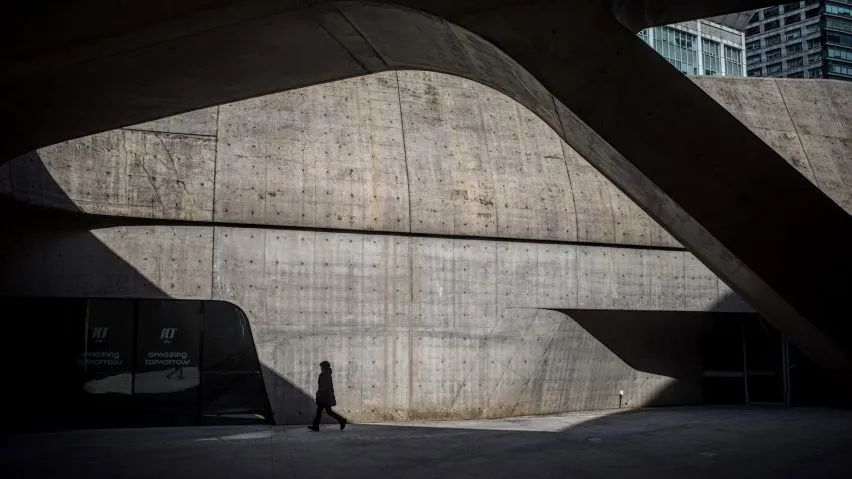
What is 'nu-bru' and why does it matter?
Tulett's book introduces the idea of 'nu-bru' - a newer wave of brutalist design that builds on the movement's chunky, uncompromising roots while bringing a more contemporary sensibility to the form. It's brutalism that feels alive rather than purely nostalgic, which is part of what makes South Korea such a compelling subject.
The structures featured range from a blocky kindergarten - which somehow manages to feel both imposing and playful - to a building specifically designed to conjure the image of an open book. That kind of conceptual ambition wrapped in raw concrete is exactly the kind of thing that makes brutalism so endlessly interesting to people who give it a second look.
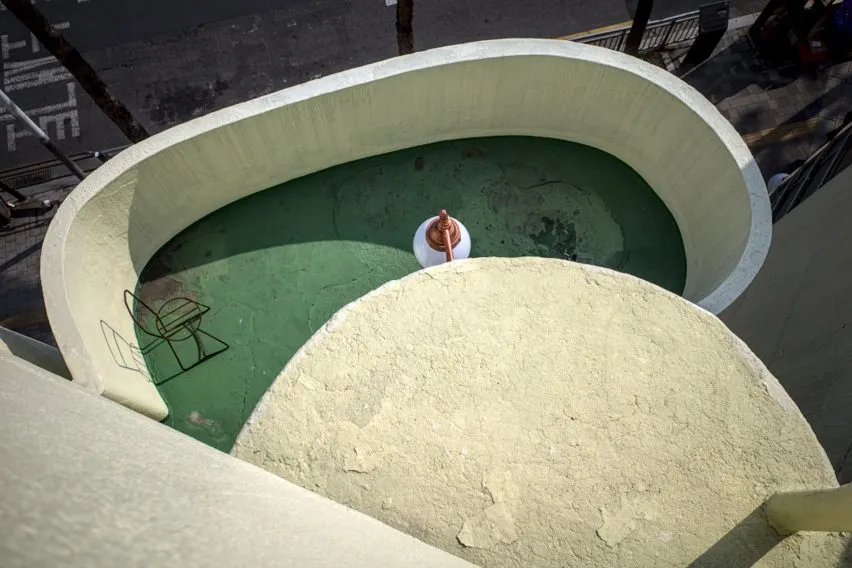
From Seoul streets to Jeju's landscapes
The book spans locations across the country, taking readers from the dense urban fabric of Seoul to the volcanic island of Jeju. That geographic range is part of what makes Brutalist Korea feel like more than just an architecture book - it's almost a portrait of a country through its built environment.
Tulett isn't new to this territory. He previously wrote Brutalist Japan, and it was South Korea's distinct collection of modern brutalist buildings that drew him back to the region for a follow-up. There's clearly something about East Asia's relationship with this aesthetic - unapologetic structure, honest materials, scale used as expression - that rewards deeper exploration.
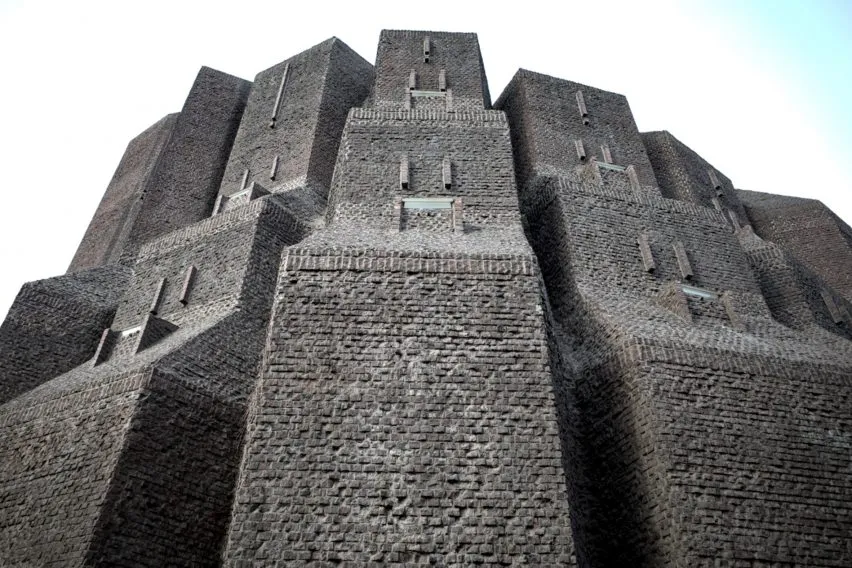
Why you should care even if you're not an architecture nerd
Brutalism has had a serious cultural rehabilitation over the past decade. Once dismissed as cold or oppressive, it's now the subject of appreciation accounts, travel itineraries, and yes, books like this one. What's changed isn't the buildings - it's our willingness to see them on their own terms.
Brutalist Korea arrives at a moment when interest in South Korean culture is at a genuine global high. Pairing that curiosity with a look at the country's physical landscape feels timely and genuinely rewarding for anyone who wants to understand a place beyond its most exported elements.