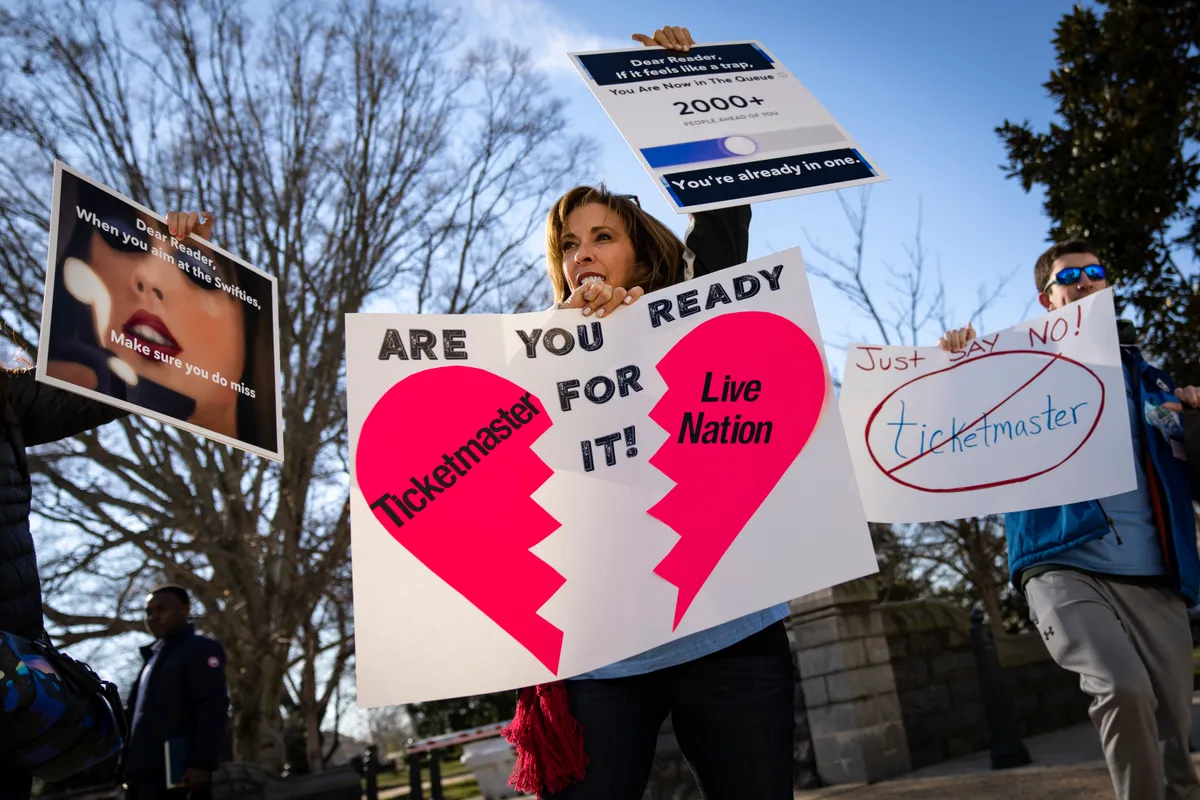
If you've ever winced at the "service fees" tacked onto a concert ticket and wondered how it got this bad, a federal jury in New York just validated your frustration. This week, Live Nation - the company that dominates essentially every layer of the live music industry - was declared an illegal monopoly.
Why this ruling matters
Live Nation isn't just one company doing one thing. It operates as a venue owner, a concert promoter, and a ticketing platform (hello, Ticketmaster) all rolled into one. That kind of vertical integration means that artists, venues, and fans often have little choice but to work within the Live Nation ecosystem, whether they like it or not.
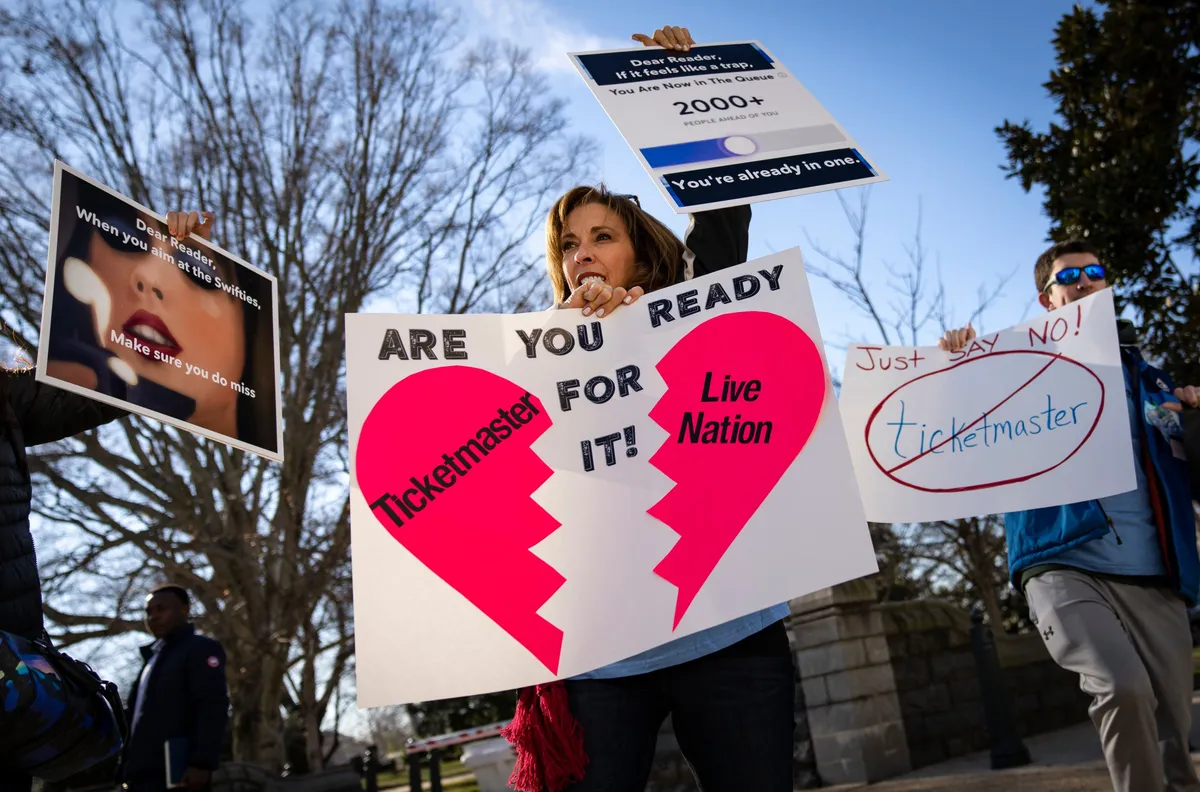
For everyday concertgoers, this has translated into years of opaque fee structures, limited competition, and the kind of ticket prices that make you reconsider whether you really need to see your favorite artist live. Spoiler: you do, but you shouldn't have to pay through the nose for it.
What happens next?
The ruling is significant, but it's the beginning of a process rather than an instant fix. Antitrust verdicts can lead to remedies ranging from behavioral changes - like being forced to alter certain business practices - to more dramatic structural solutions, like breaking the company apart. The latter would be a major shake-up for the entire live entertainment industry.
As Vox reports, this verdict was not exactly a surprise to anyone who has navigated the modern concert ticketing experience. The frustrations have been loud and consistent, from fans camping online queues to artists publicly calling out the system.
The bigger picture
This case is part of a broader moment of reckoning for large platform companies that have quietly built near-total control over entire industries. When one entity controls who performs, where they perform, and how tickets are sold, competition - and the consumer protections that come with it - has nowhere to breathe.
For music fans, the hope is that a more competitive market would eventually mean more transparent pricing, more ticketing options, and less of the "why does a $40 ticket cost $85" math we've all been doing in our heads at checkout.
Don't expect ticket prices to drop overnight. Legal remedies take time, and any structural changes to a company this size would be complex. But for the first time in a long time, there's real momentum behind the idea that the live music business doesn't have to work this way.