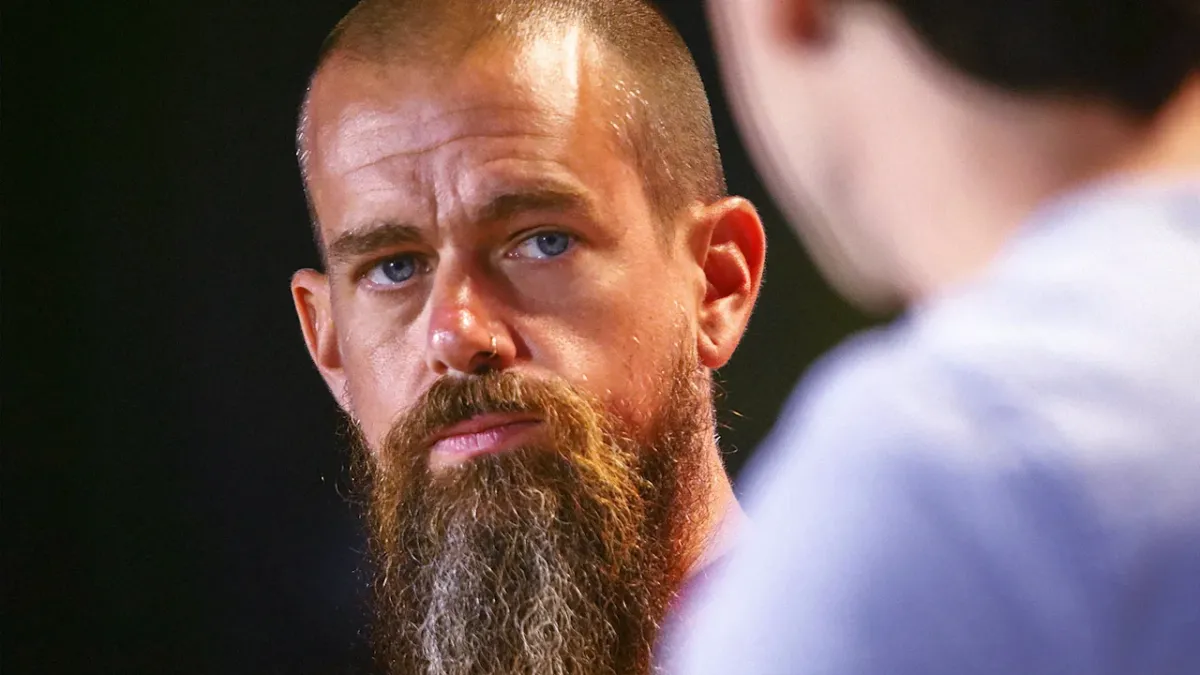
If your manager has ever felt distant, unresponsive, or just kind of... unnecessary, Jack Dorsey might be your new hero. Or your cautionary tale. Possibly both.
The Block CEO recently sat down on the Long Strange Trip podcast and floated an idea that would make most HR professionals break into a cold sweat: he wants to slash the company's management layers from five down to just two or three. The result? Dorsey himself would have roughly 6,000 direct reports.
Why this is a bigger deal than it sounds
This isn't just an executive musing about org charts. It comes on the heels of Block laying off around 4,000 employees earlier this year - about half the company's entire workforce - as part of a drive to lean harder into AI. So when Dorsey talks about cutting management layers, he's not theorizing. He's operating on an already dramatically reduced team and apparently thinking the structure still needs to go further.
The conventional wisdom in corporate management is that a single manager can realistically oversee somewhere between five and fifteen people effectively. Six thousand direct reports throws that playbook straight out the window.
Flat structures are trendy, but this is extreme
The idea of flatter organizations has been gaining momentum for years, especially in tech. Fewer layers mean faster decisions, less bureaucratic noise, and (in theory) more autonomy for individual contributors. Companies like Valve and Spotify have flirted with radical flatness. But what Dorsey is describing would be something else entirely - less a flat org chart and more of a near-total removal of the management tier as most people know it.
The pitch is appealing on paper. Middle management can slow things down, filter information in unhelpful ways, and sometimes exist more to justify their own roles than to actually support the people beneath them. If AI tools can handle a lot of the coordination and communication work that managers traditionally do, maybe the layer becomes genuinely redundant.
The obvious questions
Still, some pretty fundamental challenges emerge when you think it through. How does a single person - even one as hands-on as Dorsey - meaningfully support, develop, and advocate for thousands of employees? Who handles conflict resolution, career conversations, or the kind of nuanced human stuff that even the best AI tools can't replicate?
Whether this vision is visionary or simply unworkable, it's a signal of where at least one influential tech leader thinks the workplace is heading. And for the rest of us watching from the outside, it raises a genuinely interesting question: how much of what middle managers do is actually irreplaceable - and how much of it could just... disappear?
We're probably going to find out.