
If you've ever asked ChatGPT where to buy something or let an AI assistant help you narrow down a purchase, you're part of a wave that's quietly reshaping how Americans shop online. And according to fresh data from Adobe, retailers are seeing real money from it.
The numbers are hard to ignore
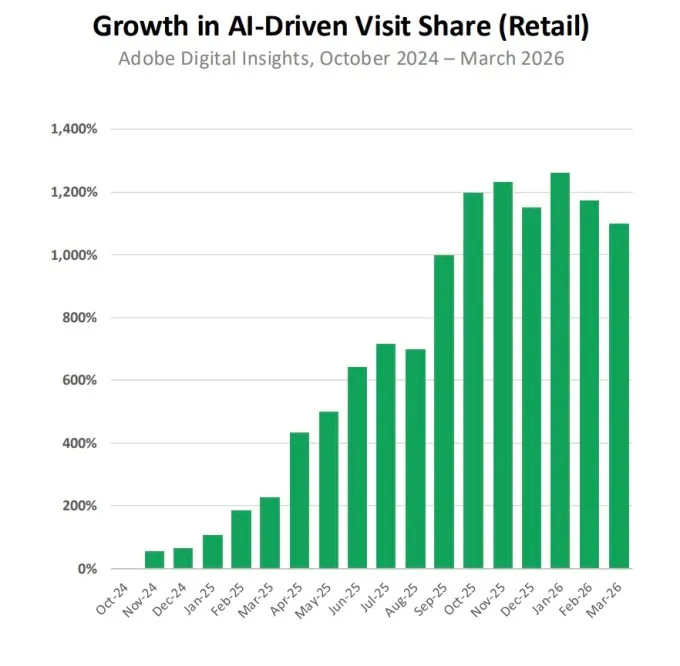
Adobe reports that AI-driven traffic to U.S. retail websites jumped a staggering 393% in the first quarter of 2026 compared to the same period last year. March alone saw a 269% spike. But what makes this more than just an interesting traffic stat is what those visitors are doing once they arrive - they're buying, and buying more consistently than shoppers arriving from traditional channels.

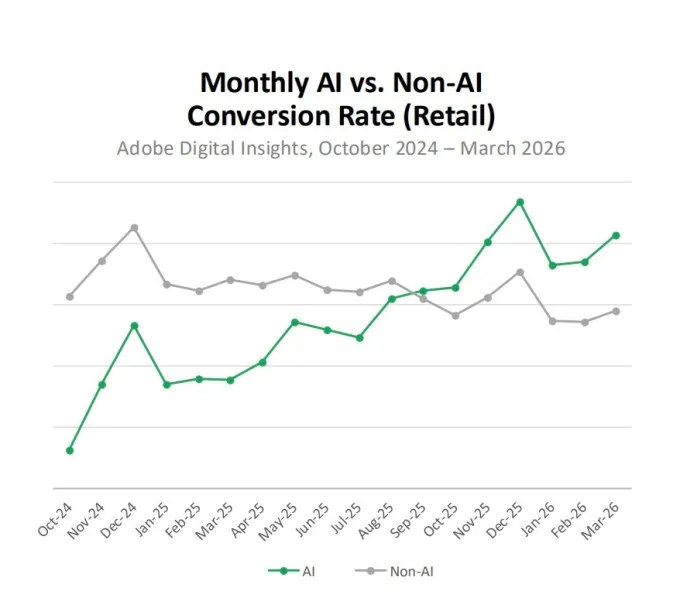
According to Adobe's findings, AI-referred visitors are converting at higher rates and generating more revenue per visit than non-AI shoppers. That's the kind of detail that makes retailers sit up and pay attention.
Why does this make sense?
Think about the difference in mindset. Someone who ends up on a product page after asking an AI assistant a specific question has typically already done some thinking. They're not casually scrolling - they've expressed intent. An AI has interpreted what they want and sent them somewhere relevant. That's a fundamentally different entry point compared to, say, stumbling across an ad or clicking through a generic search result.
It's a bit like the difference between window shopping and walking into a store already knowing what you need. The second person is much more likely to leave with a bag.
What this means for the shopping experience
This shift is worth paying attention to beyond the business angle. It signals that AI tools are moving from novelty to genuinely useful shopping companions. People are trusting them enough to follow through on their recommendations - which puts pressure on those tools to stay accurate and unbiased, and on retailers to make sure they're showing up well when AI systems are evaluating their products.
For shoppers, it raises a fair question worth keeping in mind: who or what is shaping the recommendations you're getting? As these tools become a bigger part of how we discover and decide, it's worth being a little curious about what's driving the suggestions.
For now though, the data is clear. AI isn't just changing how we search - it's changing how we spend.