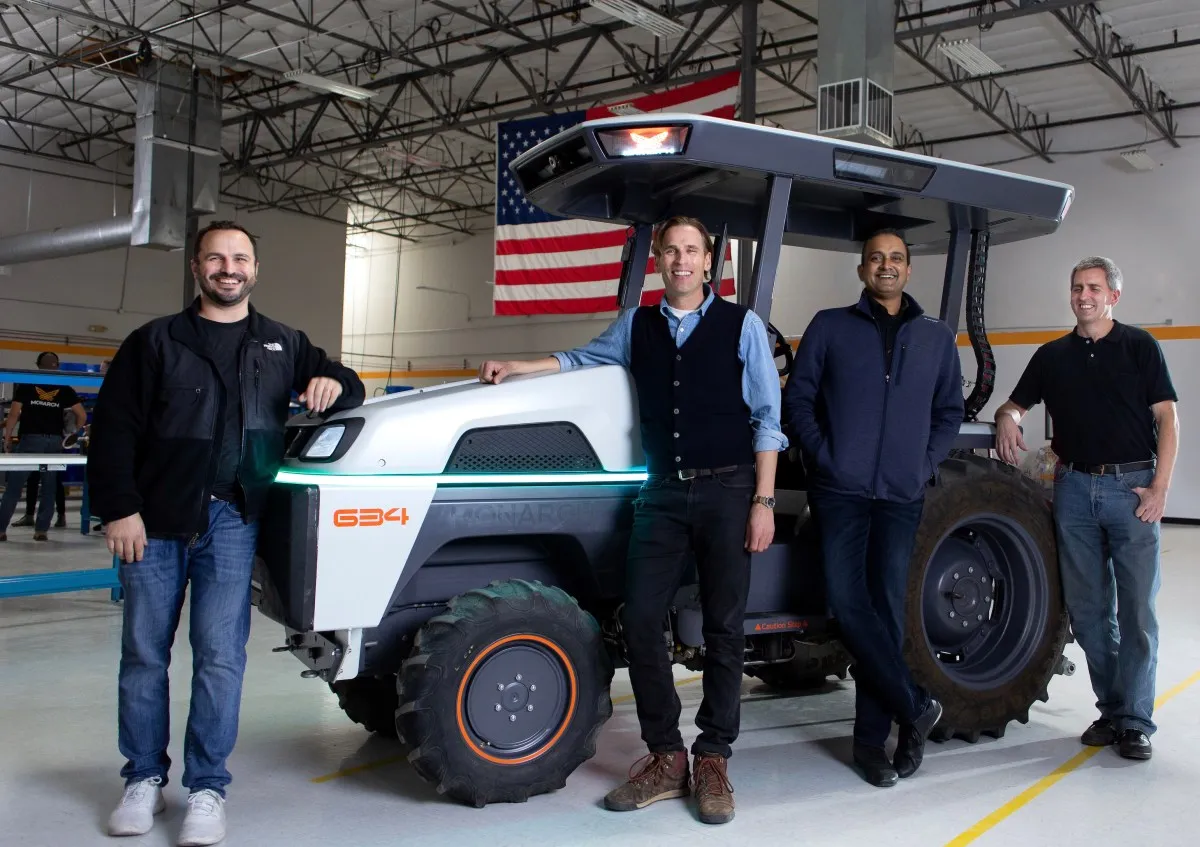
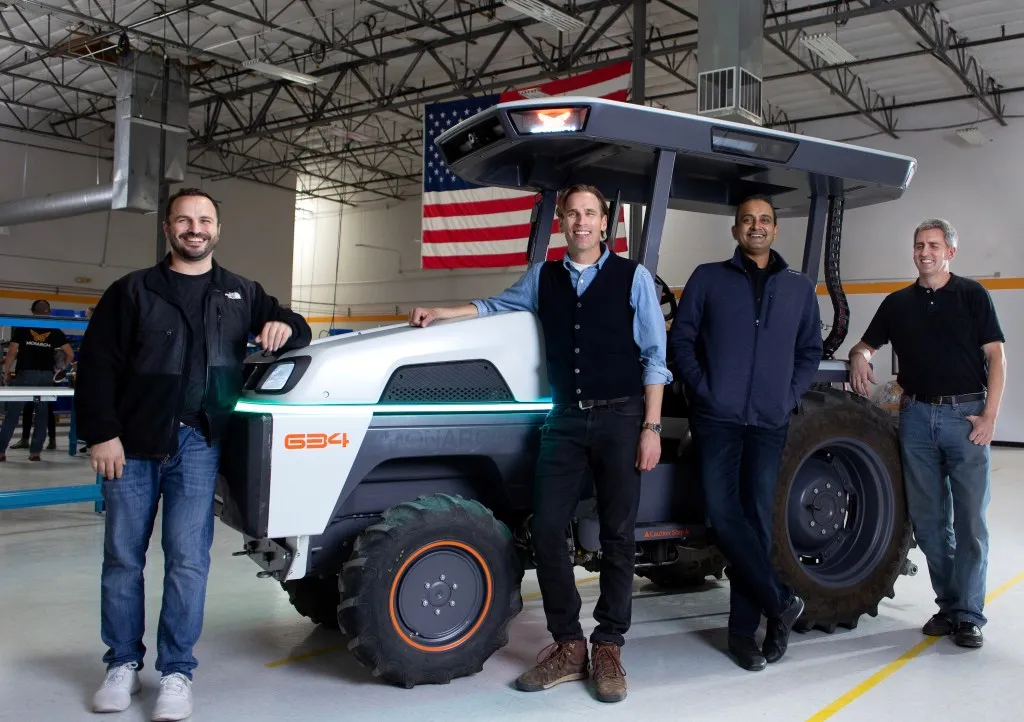
Monarch Tractor, once one of the more exciting names in agricultural technology, has been acquired by heavy machinery giant Caterpillar - and the circumstances surrounding the deal paint a pretty sobering picture of what happens when a startup's promise outpaces its product.
According to reporting by TechChrunch, the electric, autonomous tractor company had been under serious pressure from multiple directions before the deal closed. Dealers were frustrated. Farmers were dissatisfied. And perhaps most damaging of all, a co-founder had raised concerns that Monarch's core technology simply didn't work the way it was supposed to.
When the hype meets the dirt
There's something poetic - and a little painful - about an ag-tech startup running into trouble because the actual farming community wasn't buying what it was selling, literally and figuratively. Monarch entered a space full of genuine need. Farmers are dealing with labor shortages, rising costs, and pressure to operate more sustainably. An electric, driver-optional tractor sounds like exactly the kind of innovation the industry needs.
But farming is also one of the least forgiving environments for half-baked technology. When a SaaS product has bugs, you push an update. When a tractor malfunctions mid-harvest, you lose time, crops, and money you can't get back. The bar for reliability in agriculture isn't just high - it's existential for the people depending on it.

What Caterpillar gets out of this
For Caterpillar, the acquisition makes a certain kind of strategic sense. The company has deep roots in heavy machinery and has been watching the electrification and automation wave reshape its various markets. Picking up a struggling startup - likely at a significant discount compared to its peak valuation days - gives Caterpillar access to intellectual property, engineering talent, and a foothold in the electric farm equipment space without having to build everything from scratch.
Whether Caterpillar can take whatever Monarch built and actually make it work reliably in the field is a different question. Big industrial companies absorbing tech startups don't always end in success stories. But Caterpillar does have something Monarch lacked - a century of credibility with the people who actually operate heavy equipment for a living.
A reminder about what 'disruption' actually requires
Monarch's story is a useful reminder that disrupting an industry requires more than a compelling pitch deck and venture capital. Agriculture in particular has seen a wave of well-funded startups promise transformation, only to discover that farmers are discerning, experienced customers who will quickly call out technology that doesn't deliver.
The acquisition isn't necessarily the end of the road for Monarch's ideas. But it is the end of its independent story - and a signal that in the very real world of farming, working technology will always matter more than working marketing.