There's something genuinely striking about walking into a restaurant that refuses to compete with its own surroundings. That's exactly the move Japanese architect Keiji Ashizawa made with Loca Niru, a new restaurant tucked inside Singapore's historic House of Tan Yeok Nee - a richly decorated 19th-century Teochew mansion that is anything but understated.
A deliberate contrast
Rather than echoing the elaborate carvings and ornamental grandeur of the building's exterior, Ashizawa - founder of Keiji Ashizawa Design - stripped things right back. The interior is calm, pared-down, and quiet in the best possible sense. It's a bold choice that actually makes both spaces more interesting. The opulence outside becomes something to appreciate freshly, while inside you get room to breathe and think.
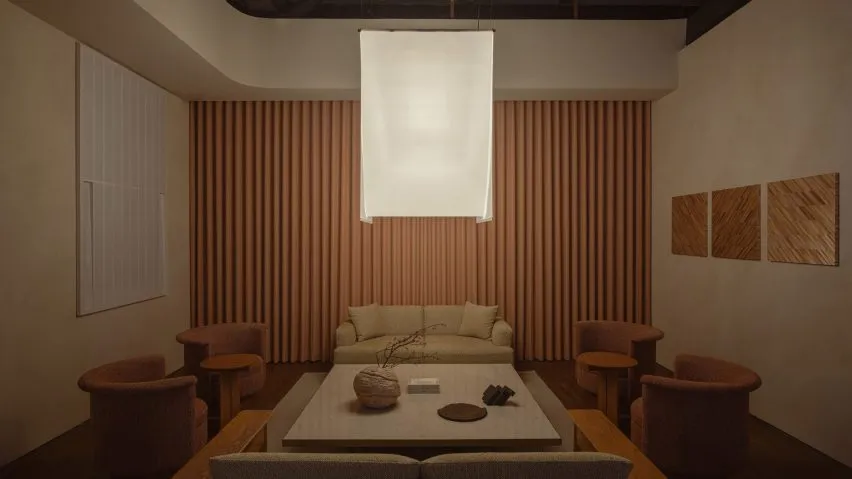
According to Dezeen, Ashizawa described his vision for the space as "a dialogue across time" - a phrase that captures the tension at play here beautifully. The idea wasn't to design something that shouts, but something that listens.
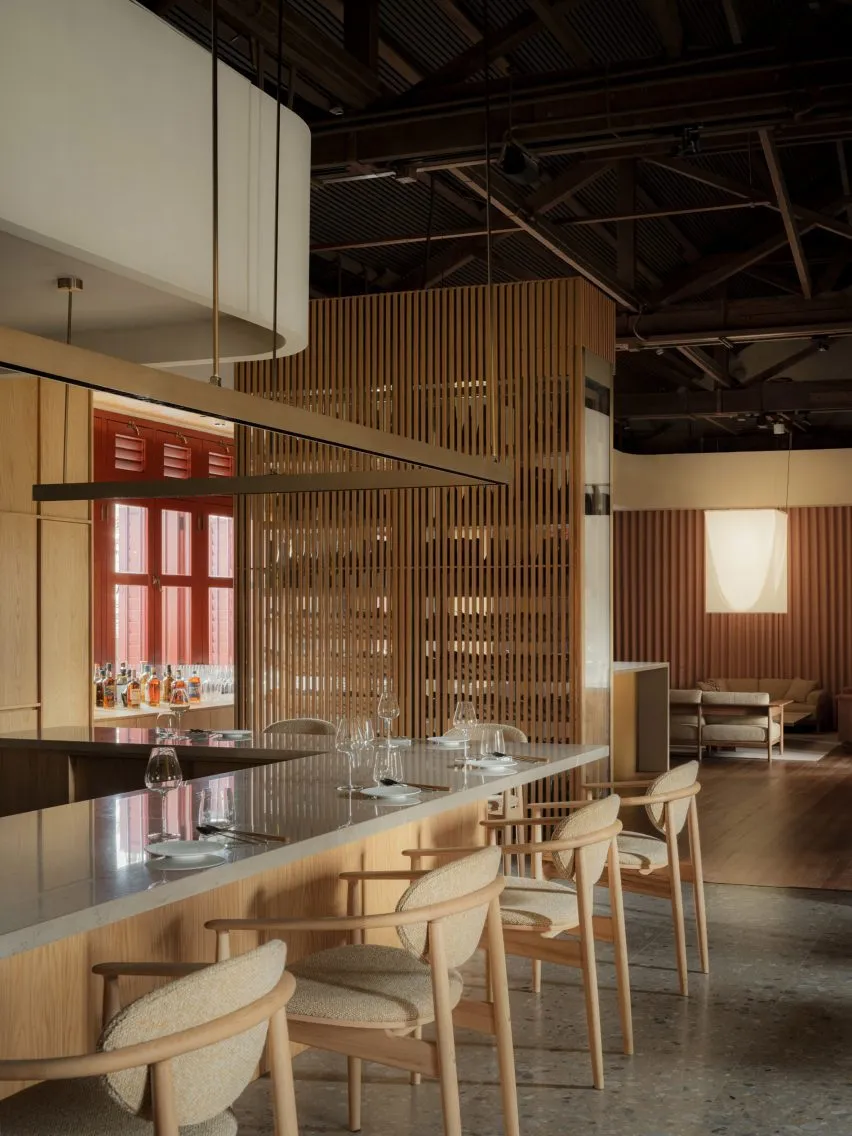
Rooted in Zen philosophy
The restaurant's name gives you another clue about its intentions. Loca Niru draws from two Zen concepts, grounding the whole project in a philosophy of stillness and presence. It's the kind of thinking that tends to produce spaces people return to - not because of spectacle, but because of how they feel inside them.
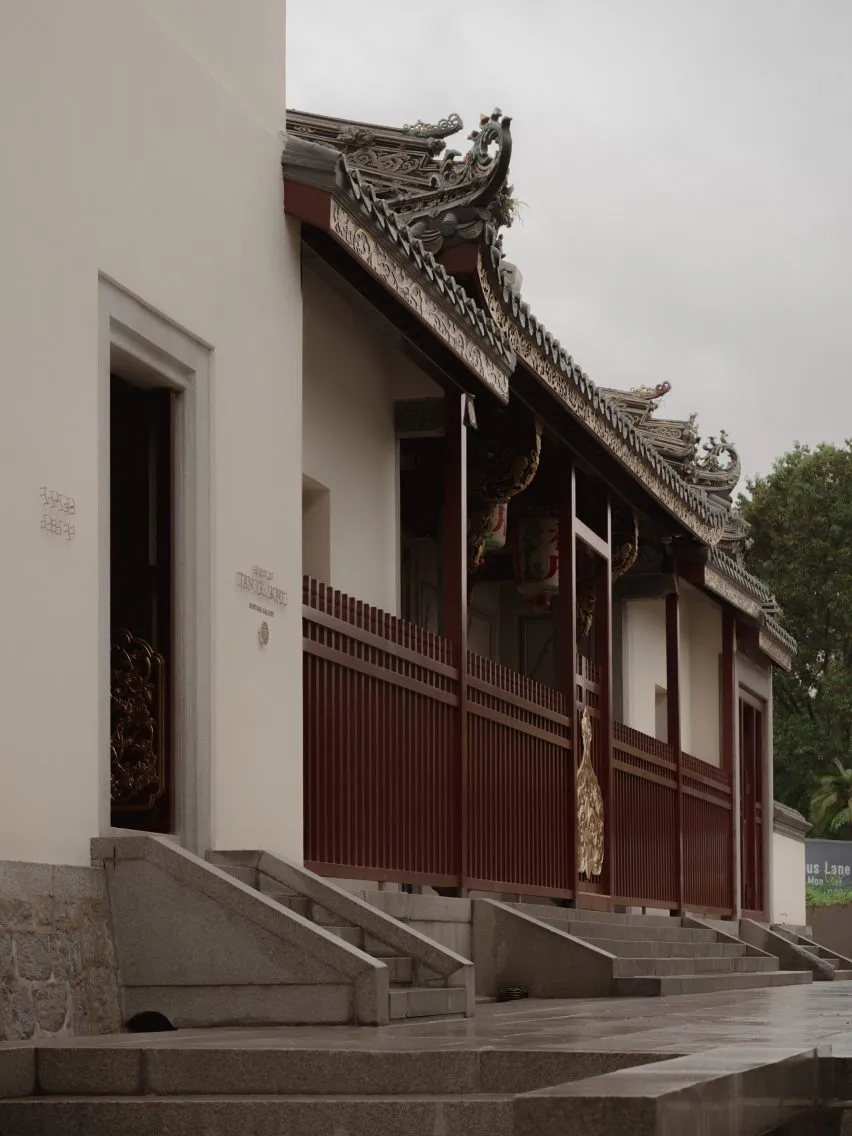
This approach is very much in keeping with Ashizawa's wider practice, which consistently favors restraint over decoration and atmosphere over statement-making. Getting that balance right inside a heritage building is notoriously tricky. Go too modern and you feel disrespectful of history. Match the original too closely and the whole thing risks becoming a pastiche. The pared-back route, done well, is arguably the most respectful option of all - it lets the original architecture speak without interruption.
Why this kind of design matters
Beyond the aesthetics, there's something worth sitting with here. As cities like Singapore work to preserve heritage buildings while keeping them relevant and alive, the question of how to design within them thoughtfully becomes increasingly important. Loca Niru suggests one answer - that simplicity, when it's intentional and considered, can be its own kind of richness.
For anyone who cares about how design shapes the way we eat, gather, and experience a city, this one is worth paying attention to.