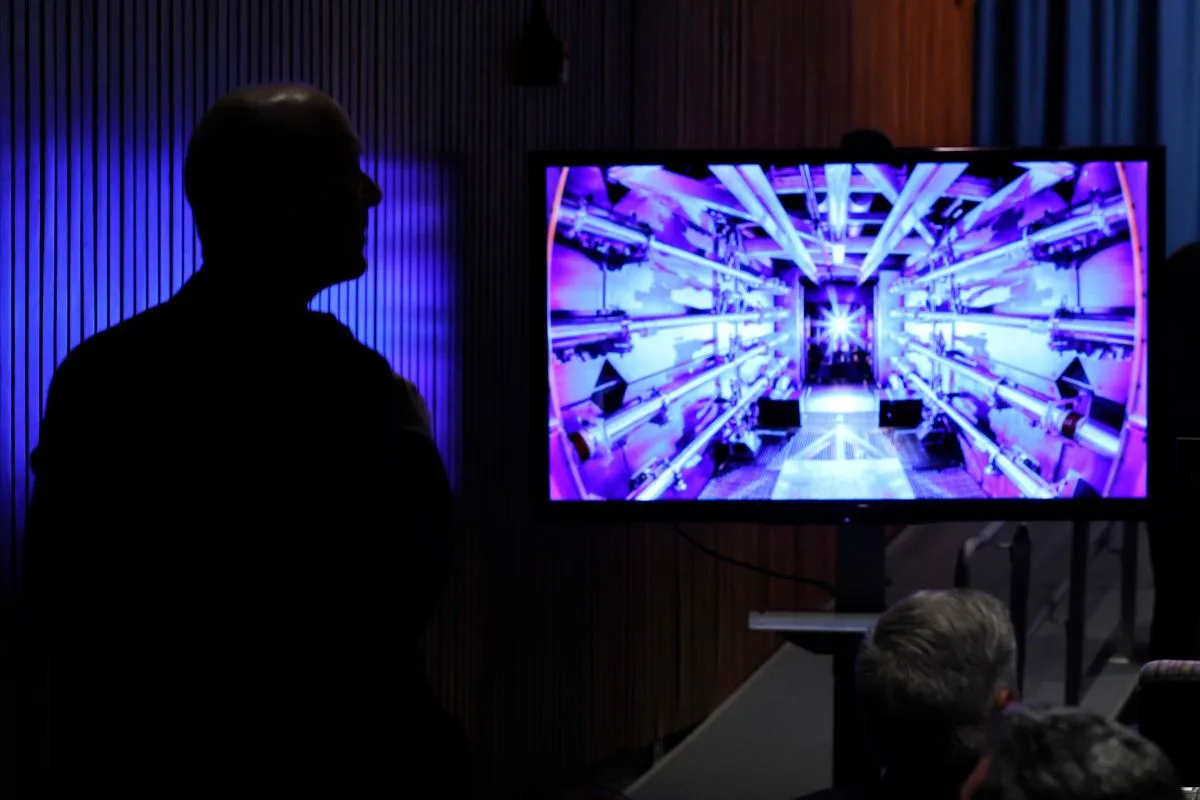
If you ever wanted proof that we are living in a science fiction timeline, here it is: a company called Inertia has signed three licensing agreements with Lawrence Livermore National Laboratory, the home of the National Ignition Facility - the place where scientists literally recreated the conditions inside a star using 192 lasers pointed at a pellet the size of a peppercorn. And now someone wants to sell that to the grid.
What even is this thing?
Lawrence Livermore's NIF is not your average lab experiment. It is, by most measures, one of the most complex and expensive scientific machines ever built. The facility achieved ignition in late 2022 - meaning it got more energy out of a fusion reaction than the lasers put in - which was a genuinely historic moment that had been decades in the making. Scientists wept. The internet briefly cared. Then everyone went back to arguing about other things.
But the science did not go anywhere. It just needed someone brave (or slightly unhinged) enough to try turning it into a business.
Enter Inertia
That someone is Inertia, which according to reporting by TechCrunch has now secured three formal agreements with Livermore to move the inertial confinement fusion approach toward commercialization. The deals mark a significant step in bridging the gap between "look what we did in a national lab" and "here is your carbon-free electricity, enjoy."
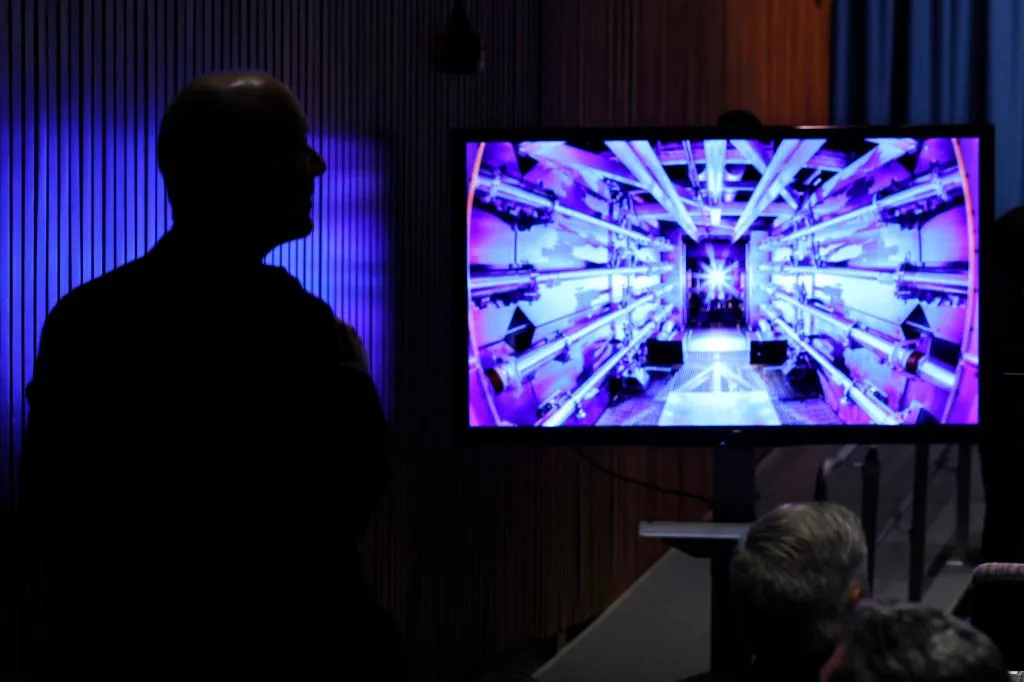
Inertial confinement fusion - the flavor of fusion the NIF pioneered - works by firing enormous pulses of laser energy at a tiny fuel target, compressing and heating it until fusion occurs. It is different from the magnetic confinement approach being pursued by companies like Commonwealth Fusion and, of course, ITER. Both roads lead to the same destination, but the vehicle looks completely different.
Why this actually matters
The fusion energy space has gone from "perpetually 30 years away" to genuinely crowded with well-funded startups, and now the NIF's own breakthrough is getting a commercial vehicle. That is a big deal. Most fusion companies are working from scratch or building on university research. Inertia gets to start from one of the most validated fusion results in history.
The path from "we achieved ignition once under very controlled conditions" to "we can run this reliably and cheaply enough to power a city" is still enormous. But the fact that the agreements exist at all means someone at Livermore decided the tech is ready enough to hand off - and someone at Inertia decided the bet is worth making.
Fusion has always been the great maybe of clean energy. Inertia is betting it is finally a yes.