Nvidia CEO Jensen Huang dropped what might be the most politely terrifying career advice of 2024 at Cisco's AI Summit earlier this year. "You're not going to lose your job to AI," he told the audience. "You're going to lose your job to someone who uses AI."
Cool. Cool cool cool. No notes. Totally fine.
So who exactly is that "someone"?
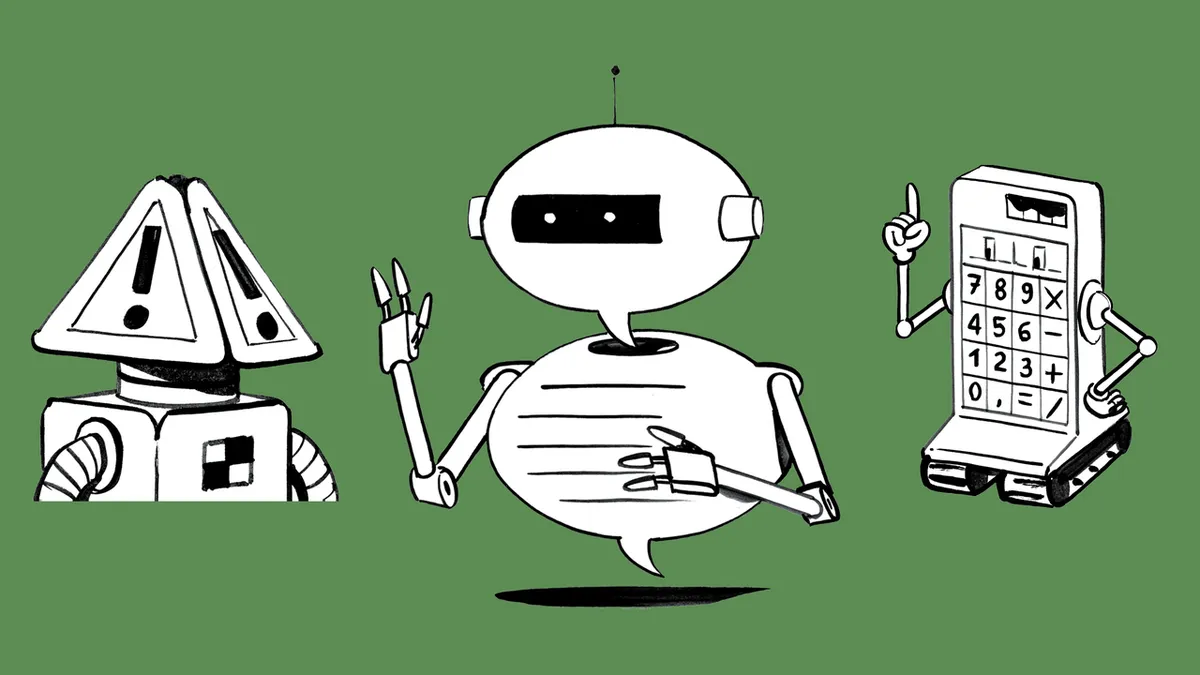
Right now, it's whoever stopped treating AI like a fancy search engine and started actually putting it to work. According to a Fast Company deep-dive into 42 practical AI use cases, we're well past the era of "ask ChatGPT to write your email subject lines" and deep into the age of AI agents - tools that don't just answer your questions but actively go out and do things on your behalf.
Think less "chatbot that writes your cover letter" and more "digital intern who handles your research, drafts your content, monitors your competitors, and never once microwaves fish in the office."
Why this actually matters
Here's the uncomfortable truth: most people are still using AI like a slightly smarter Google. Ask question, get answer, close tab. But the people quietly lapping everyone else at work are using agentic AI - systems that chain tasks together, operate with some degree of autonomy, and genuinely multiply what one person can get done in a day.
We're talking about using AI to build apps without coding (vibe coding, if you want to sound extremely online about it), spinning up podcast platforms, generating video content, building newsletters, creating courses - entire side businesses, basically, that previously required a small team or a very expensive freelancer named Kyle.
The "use it or lose it" moment is right now
The Fast Company piece frames this as an opportunity rather than a threat, which is the correct and mentally healthy way to look at it. The tools exist. They're increasingly accessible. The only real barrier is the activation energy required to actually learn them instead of doom-scrolling about how AI is going to destroy everything.
Huang's point isn't that AI is harmless - it's that the disruption is already happening at the human level, not the robot-apocalypse level. Your replacement isn't a machine. It's a person with the same skills as you who also knows how to deploy an AI agent before their morning coffee.
The good news? You can be that person. The slightly annoying news? You're going to have to actually try.