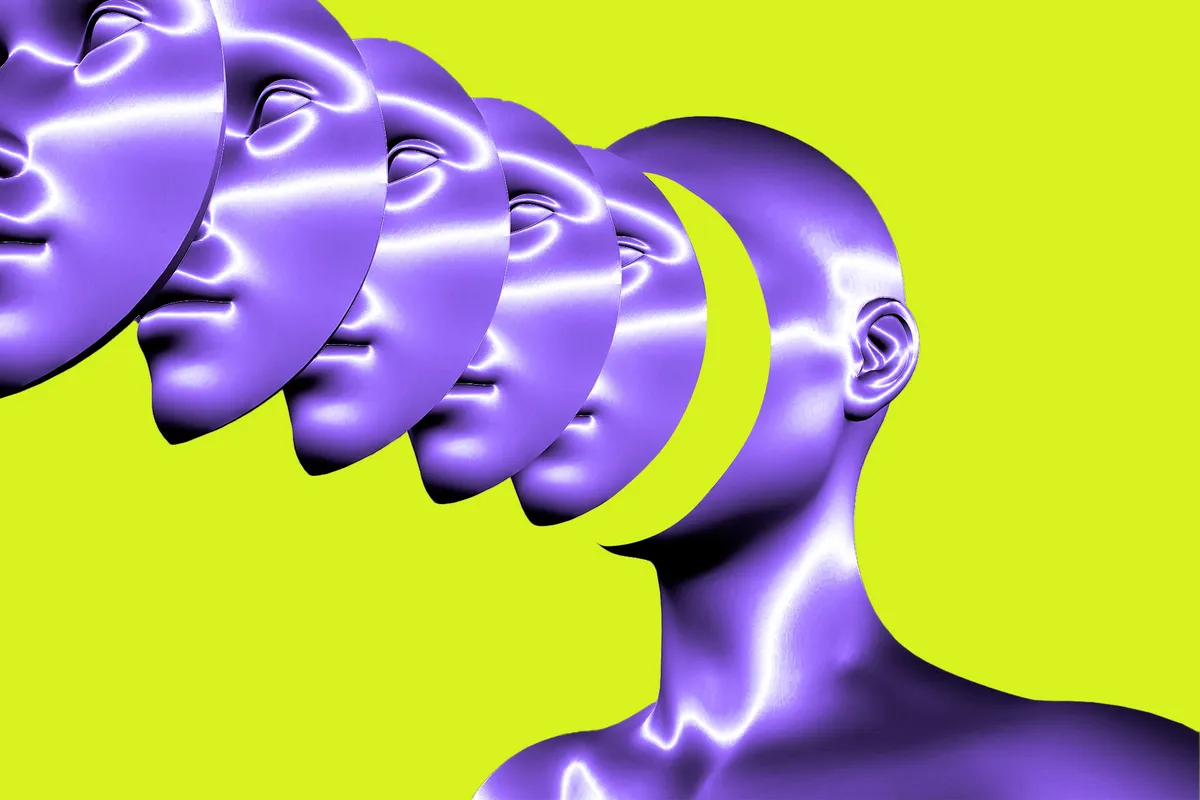
If you've ever stumbled across an eerily convincing video of a celebrity saying something they clearly never said, you're not alone. AI deepfakes have become one of the more unsettling byproducts of the generative AI boom - and YouTube is now taking a more proactive stance on dealing with them.
The platform is expanding its likeness detection feature to Hollywood, according to reporting by The Verge. The tool scans YouTube for AI-generated content featuring enrolled public figures, flags it, and gives those individuals the ability to request its removal. Think of it as a kind of digital patrol for your own face and voice.

How it actually works
Public figures who sign up for the program get an ongoing feed of AI deepfake content featuring their likeness. From there, they can monitor what's circulating or formally request a takedown. That said, YouTube isn't handing over a blanket delete button - removal requests are evaluated against the platform's existing privacy policy, which means not every request will be approved.
YouTube reportedly began testing the feature earlier, and is now broadening access to celebrities and other high-profile figures in the entertainment industry.
Why this actually matters
The deepfake problem isn't just about embarrassing videos. Unauthorized AI-generated content of real people raises serious issues around consent, reputation, and even financial harm - particularly for public figures whose image is tied to their career. Actors, musicians, and influencers have increasingly found themselves the subjects of fabricated content they had no say in creating.
Having a formal mechanism to track and challenge that content is a meaningful step forward, even if it's not a perfect solution. The reality is that deepfakes are created faster than they can be removed, and a tool available only to those enrolled in a specific program leaves plenty of gaps. Regular people - who can also be targets of AI-generated content - aren't part of this rollout.

A bigger conversation
YouTube's move reflects a wider industry reckoning with how platforms handle AI-generated content. It's also a sign that the pressure from the entertainment industry is producing results. Celebrities and their representation have been vocal about the threat AI poses to their likeness rights, and tools like this suggest platforms are starting to listen.
It's not a complete fix, but for anyone whose face has been used without their knowledge to generate content they'd never endorse, having a way to find it and push back is a start.