If you've been following the AI industry's rocky relationship with regulators, brace yourself - things just got more serious. Florida Attorney General James Uthmeier has launched a formal investigation into OpenAI, citing concerns that stretch from national security all the way to child safety. It's a wide-ranging probe that signals growing official scrutiny of one of Silicon Valley's most powerful companies.
What's actually being investigated?
According to reporting by Reuters and The Verge, Uthmeier is raising alarms on two major fronts. The first is a fear that OpenAI's data and underlying technology could be - or already are - accessible to foreign adversaries. Specifically, the attorney general named the Chinese Communist Party as a potential beneficiary of that access, framing it as a genuine national security threat rather than abstract tech-world hand-wringing.

The second concern is arguably more urgent on a human level. Uthmeier's statement connects ChatGPT to criminal behavior involving child sexual abuse material, and also points to the platform being linked to the "encouragement" of self-harm. These are serious allegations, and they're the kind that tend to cut through the usual noise around AI policy debates.
Why this matters beyond Florida
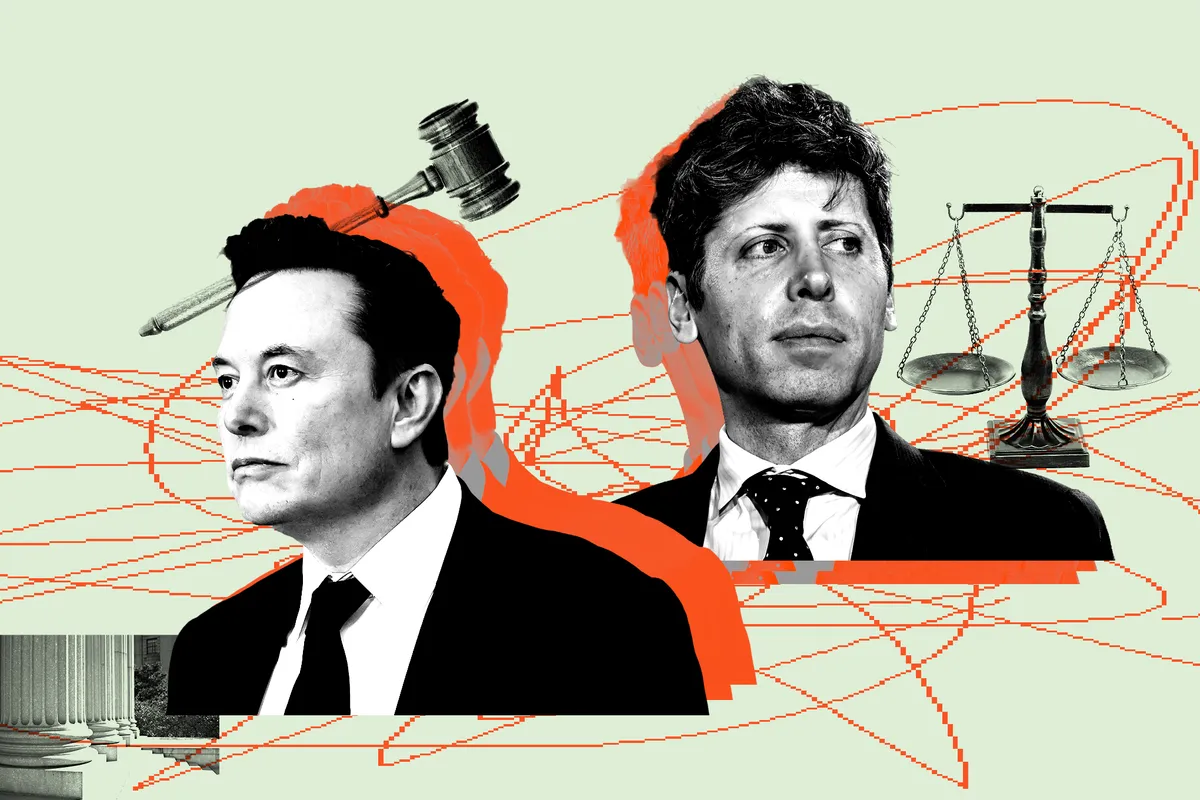
State-level investigations don't always have sweeping consequences, but they can set precedents and apply real pressure. Florida isn't a small player, and an attorney general investigation signals that AI companies can no longer count on operating in a regulatory grey zone indefinitely.

OpenAI has faced criticism before - around misinformation, bias, and the broader ethics of generative AI - but an investigation rooted in child safety and national security hits differently. These are areas where public tolerance for corporate self-regulation is thin, and political will to act tends to be bipartisan.
For everyday users, this is a moment worth paying attention to. The tools many of us use casually for work, creativity, or just curiosity are now at the center of a serious legal and political conversation. The outcome of investigations like this one could shape how AI platforms are governed, what guardrails get built in, and who ultimately gets to hold these companies accountable.
OpenAI has not yet issued a public response to the Florida investigation, and the full scope of what Uthmeier's office will examine remains to be seen. But one thing is clear: the era of AI companies skating by on goodwill and promises is looking shorter by the day.