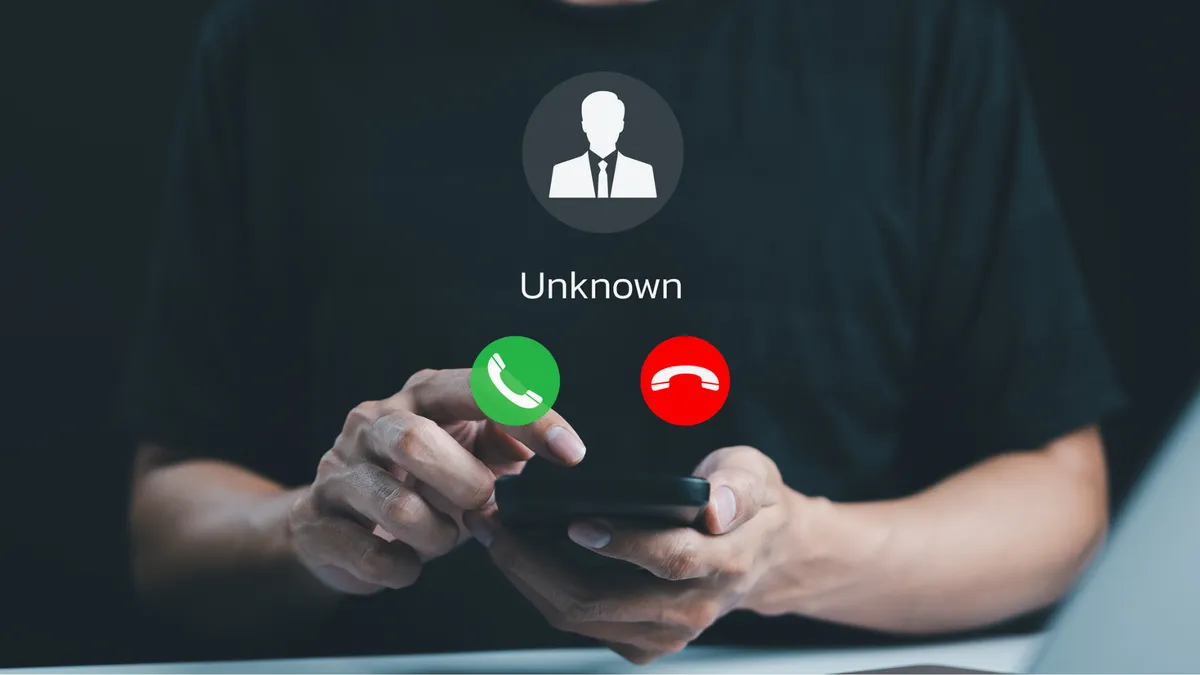
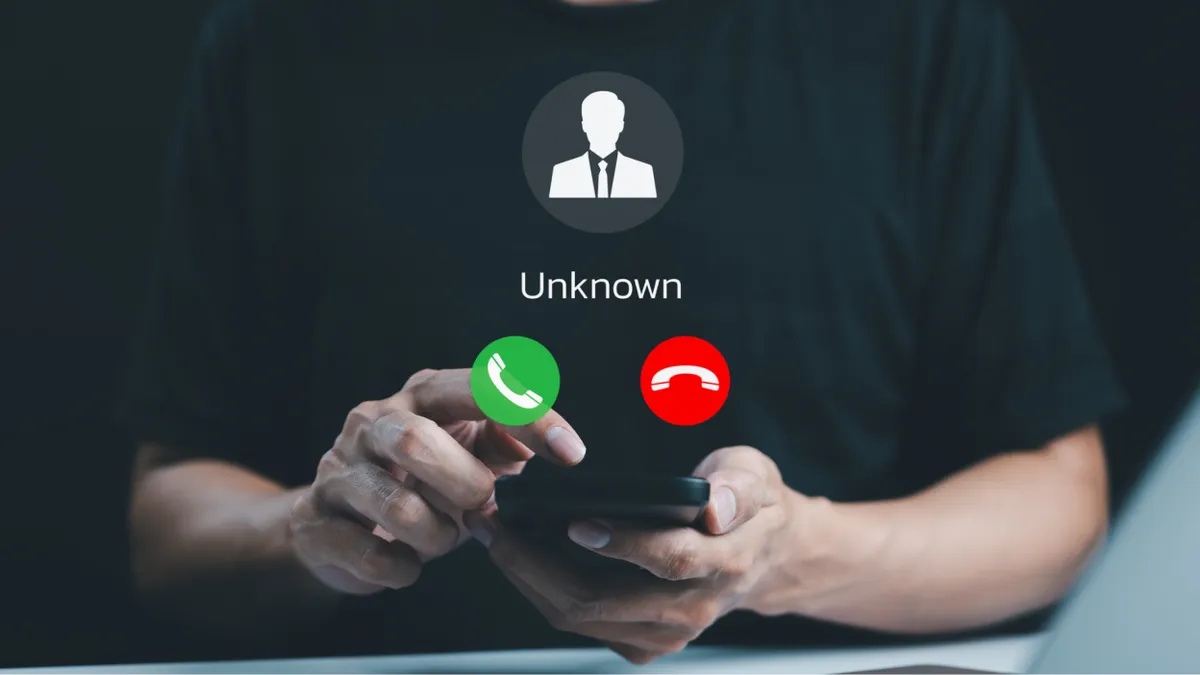
We all hate spam calls. The robocall asking about your car's extended warranty, the mystery number that just rings once, the endless silence followed by a click - it's genuinely one of the small miseries of modern life. So when the FCC floats a plan to crack down on the problem, it sounds like good news, right?
Not so fast. According to a report from Mashable, the FCC's proposed approach to battling spam calls could put consumer privacy seriously at risk - and that's a trade-off worth thinking hard about before we cheer it on.
The burner phone problem
One of the most striking implications of the proposal is what it could mean for burner phones. These prepaid, often anonymous handsets have long served a much wider audience than their pop-culture reputation suggests. Yes, they show up in crime dramas - but in real life, they're used by domestic abuse survivors who need to communicate safely, journalists protecting sources, and everyday people who simply value a layer of privacy between themselves and the outside world.
If the FCC's plan moves forward, that kind of anonymous communication could become a thing of the past. And that should give anyone who cares about privacy - which should be all of us - a reason to pause.
Why this matters beyond the nuisance
It's easy to frame spam calls as a minor annoyance, but the infrastructure around phone identity and verification touches something much bigger: your right to communicate without being tracked, identified, or monitored. Any system that requires more robust identification to use a phone number is a system that collects more data about you.
The question isn't whether spam calls are bad - they absolutely are. The question is whether eliminating them justifies building out a framework that could compromise the privacy protections millions of people rely on, often for very serious reasons.
The bigger picture
This is a pattern worth recognizing. Tech and regulatory fixes to one problem often create new vulnerabilities elsewhere. Better authentication systems sound great in theory, but they also mean more personal data flowing through more systems, with more potential points of failure or misuse.
Consumer advocacy groups have long argued that privacy and safety aren't competing values - they're deeply connected. A policy that makes phones safer from spam while making people less safe from surveillance or stalking isn't really a win.
The FCC's intentions here are probably good. Spam calls are genuinely harmful, and doing nothing isn't a great option either. But the details of how this gets implemented will matter enormously - and right now, those details are raising real red flags for privacy advocates.
It's worth keeping an eye on how this develops. Your right to pick up the phone without being tracked is worth fighting for, even if it means tolerating a few more robocalls in the meantime.