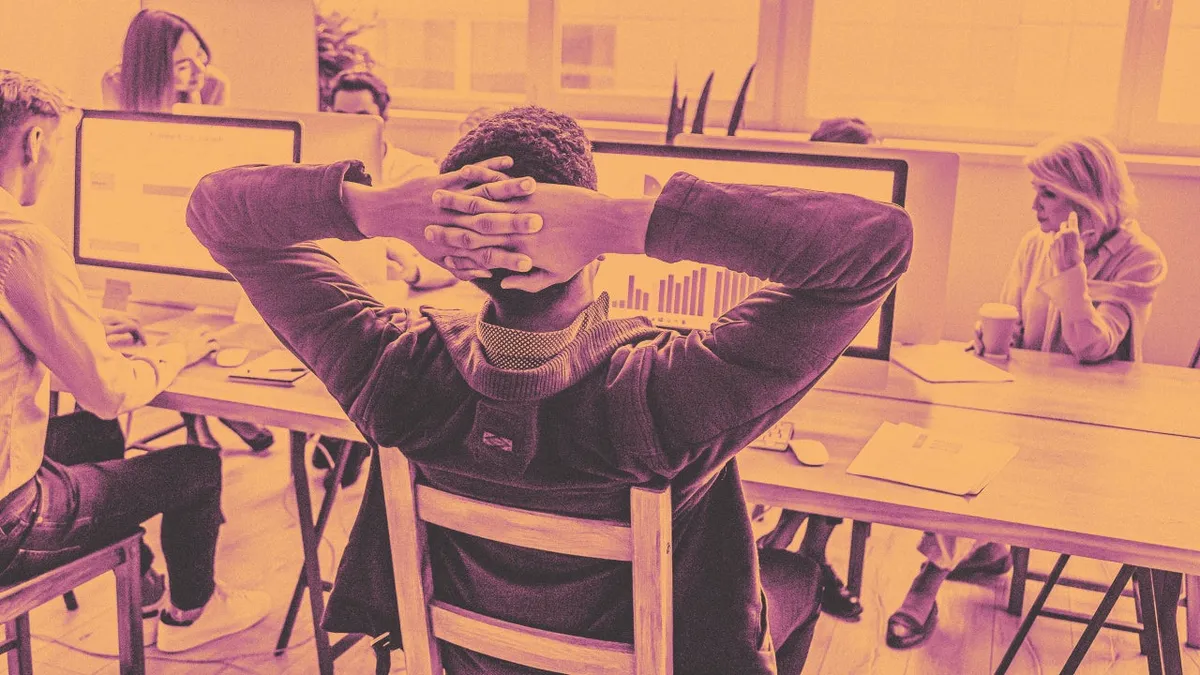
Here's a number that should make you put down your coffee in quiet despair: according to Microsoft's 2025 Work Trend Index, workers are getting interrupted roughly every two minutes during the day. Every. Two. Minutes. That's barely enough time to remember what you were doing before someone pinged you about synergizing the Q3 deliverables.
The same report found that 80% of global workers feel they don't have enough time or energy to get their work done. Which, honestly, makes complete sense when your day is a relentless blur of back-to-back meetings, chat notifications, and the kind of task-switching that would give a circus juggler an anxiety attack.
The problem isn't that you don't want to take breaks
Most people know breaks are good for them. The research is overwhelming. Stepping away from work - even briefly - improves focus, creativity, and decision-making. But knowing that doesn't magically carve 15 minutes out of a schedule that was already overbooked before you even logged on.
The real barrier, as Fast Company points out, isn't desire. It's logistics. And guilt. And the very real fear that the moment you step away, seventeen urgent messages will avalanche into your inbox.
So what do you actually do?
The good news is that effective breaks don't require a yoga retreat or a company-mandated "wellness hour" that nobody takes seriously. They just require some intentional micro-planning - which sounds annoyingly corporate, but actually works.
- Stack your breaks onto existing habits. Getting a coffee? That counts. Make it count more by leaving your phone at your desk.
- Block the calendar like it's a meeting. If it's not on the schedule, it doesn't exist. Treat a ten-minute break with the same energy you'd treat a call with your CEO.
- Use transitions as recovery moments. The two minutes between meetings? Don't immediately check Slack. Breathe. Look at something that isn't a screen.
- Move, even a little. A short walk - even just to the other end of the office - resets your nervous system in ways that staring blankly at your desk simply cannot.
- Protect the break from the break. If you pick up your phone the second you step away from your laptop, you haven't really left.
Why this actually matters
A workforce running on empty isn't just bad for individual wellbeing - it's a productivity disaster in slow motion. The interruption economy is costing companies and workers alike, and the solution isn't working harder through the exhaustion. It's building tiny pockets of recovery into an otherwise relentless day.
You're not a machine. Even machines need to cool down. Take the break.