If you wear an Apple Watch to bed, you have probably spotted the term "core sleep" in your sleep summary and nodded along like you totally knew what it meant. No judgment - it sounds scientific and reassuring, so most of us just accept it. But here is the thing: what Apple means by core sleep and what actual sleep researchers mean are two pretty different things.
The scientific definition
In sleep science, core sleep refers to the minimum amount of sleep a person needs to function - the non-negotiable baseline your brain and body require to stay healthy and sharp. Think of it as the floor, not the ceiling. Researchers use the term to distinguish essential sleep from optional extra rest, like a long weekend lie-in. It is about survival-level recovery, and it varies from person to person.
What Apple Watch actually tracks
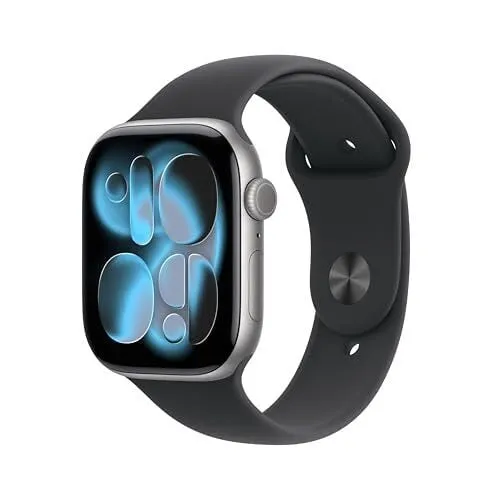
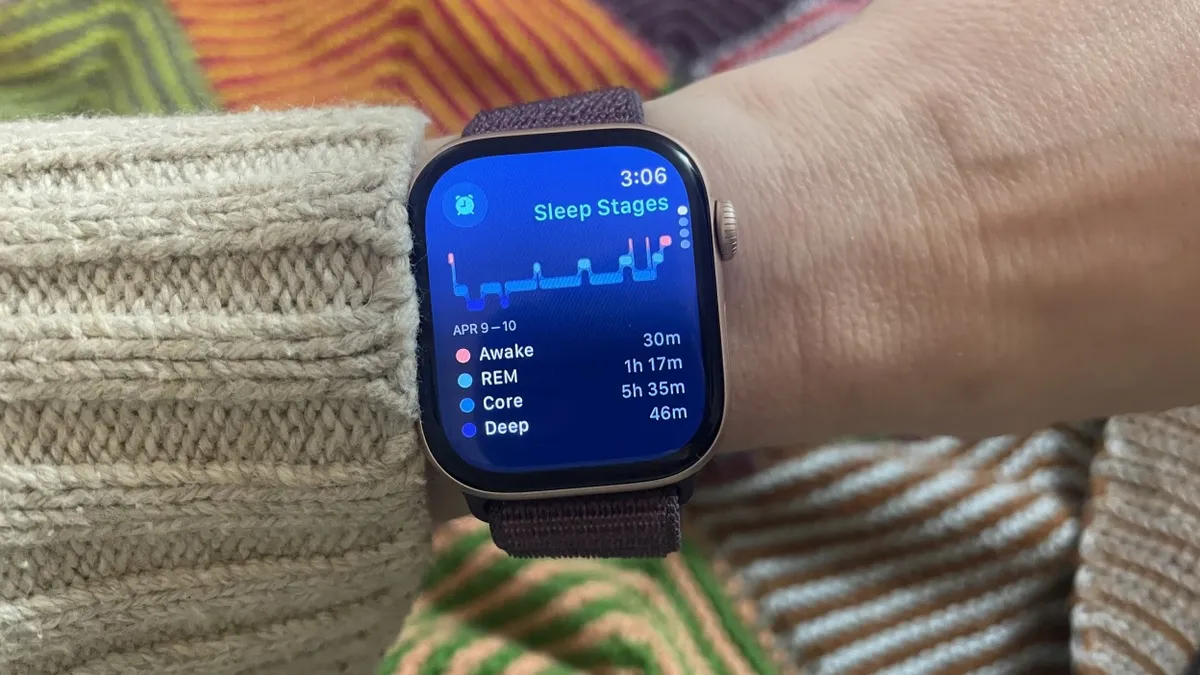
Apple uses "core sleep" in a completely different way. On your Watch, it is simply a label for light and medium-stage sleep - basically everything that is not REM sleep or deep sleep. So when you see core sleep on your health dashboard, Apple is telling you about a specific stage of your sleep cycle, not making any claim about whether you got enough rest overall.
According to reporting by Lifehacker, this mismatch between the clinical term and the consumer tech definition is the kind of thing that quietly causes confusion. You might look at a high core sleep number and feel like you nailed it, when really the metric is just describing what type of sleep you had, not how restorative your night was.
Why this actually matters
Sleep tracking has gone from niche biohacker territory to something tens of millions of people check before their morning coffee. That kind of reach means the language these devices use shapes how we understand our own health - whether the terminology is accurate or not.
Misreading your sleep data is not just an academic problem. If you think "core sleep" means you hit some essential threshold, you might underestimate a genuinely bad night. Or you might stress about a metric that is really just describing stage composition, not quality.

The smart way to use your sleep data
The takeaway here is not to ditch your Apple Watch or distrust the data entirely. Sleep tracking is still a useful tool for spotting patterns over time. But it helps to understand what you are actually looking at. When you see core sleep on your wrist, remind yourself it means light-to-medium sleep stages - nothing more, nothing less. For a fuller picture of whether you are getting enough rest, pay attention to how you actually feel, and consider deep sleep and REM numbers alongside it.
As wearables get smarter, the vocabulary they use deserves a bit more scrutiny. Knowing the difference between a marketing-friendly label and a clinical term is a small thing that can genuinely improve how you read your own health.