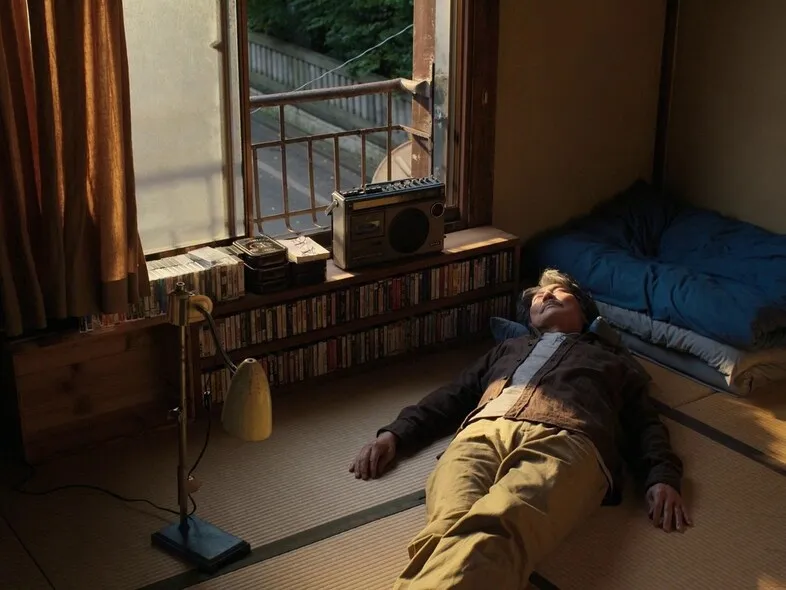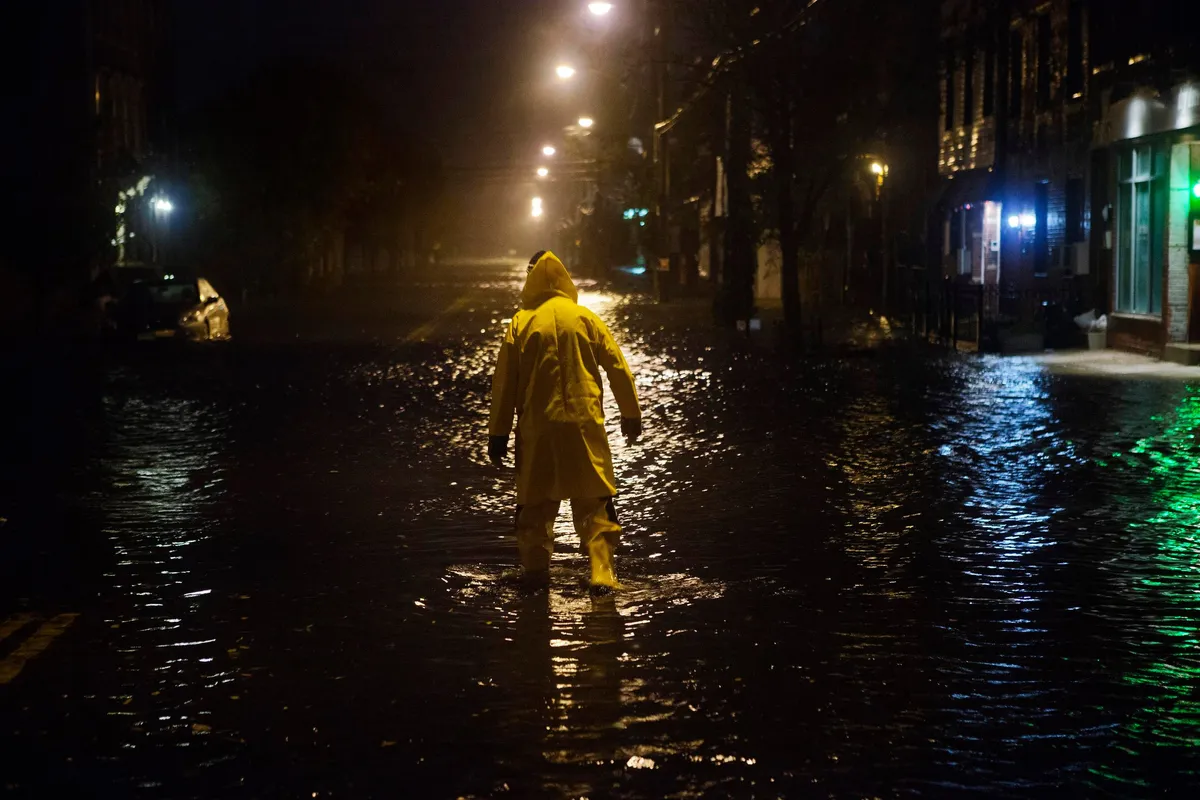
Let's be honest: the world has been giving off some serious "final boss level" energy lately. Pandemics, extreme weather events, economic chaos - it's a lot. And if you're one of the millions of people crammed into a tiny city apartment, the whole "prepare for disaster" conversation can feel laughably out of reach.
Where exactly are you supposed to store three months of freeze-dried meals? Between your IKEA bed frame and the yoga mat you've used twice?
Prepping is not just for people with garages
Here's the thing - and Vox's breakdown of urban disaster preparedness makes this case well - being ready for an emergency doesn't mean you need to become a full-blown doomsday prepper with a reinforced underground shelter and a suspicious attitude toward neighbors. It means having a realistic, apartment-friendly plan for the genuinely likely stuff: a prolonged power outage, a flood, a week where the supply chain decides to take a personal day.

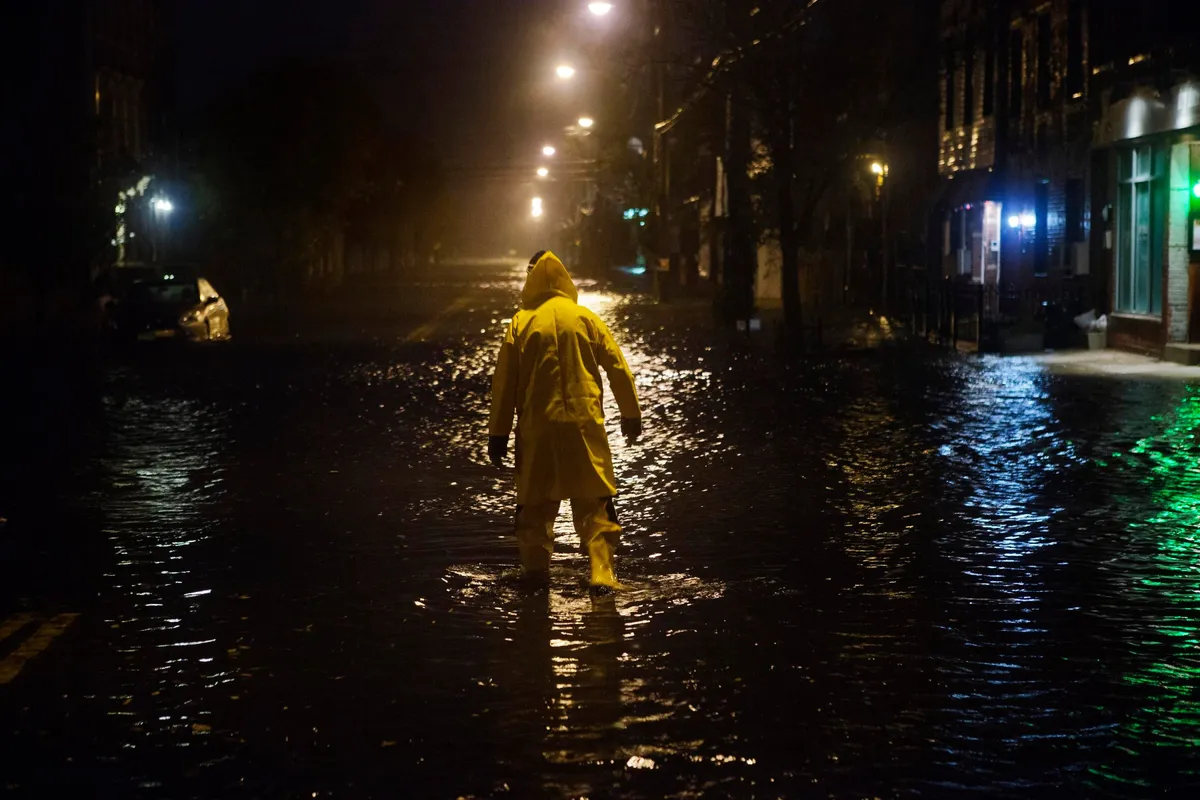
Extreme weather events in particular have gone from "once in a generation" to "twice this summer alone" in a lot of cities. That's not anxiety talking, that's meteorology.

So what does practical prepping actually look like?
Think small, think stackable, think actually useful. A few key areas to focus on:
- Water: The golden rule is about one gallon per person per day. Collapsible containers exist and they are your new best friends.
- Food: You don't need a year's supply. A two-week buffer of shelf-stable foods you actually eat is already leaps ahead of most people.
- Power and light: A hand-crank or solar-powered radio, a battery bank for your phone, and a few flashlights. Revolutionary, truly.
- Documents: A waterproof pouch with copies of your ID, insurance, and important contacts. Boring? Yes. Lifesaving? Also yes.
The part nobody talks about: your neighbors
One of the most underrated disaster prep moves in a city is simply knowing your neighbors. Community networks - knowing who has medical training, who might need extra help evacuating, who has a car - can matter enormously when things go sideways. It's prep that requires zero storage space and only mild social anxiety to execute.
The bottom line is that disaster preparedness isn't about imagining the worst-case scenario and building a fortress. It's about reducing the number of things you'd have to scramble for when something genuinely goes wrong. And in a city apartment, that's absolutely doable - even if your square footage is, let's say, "cozy."