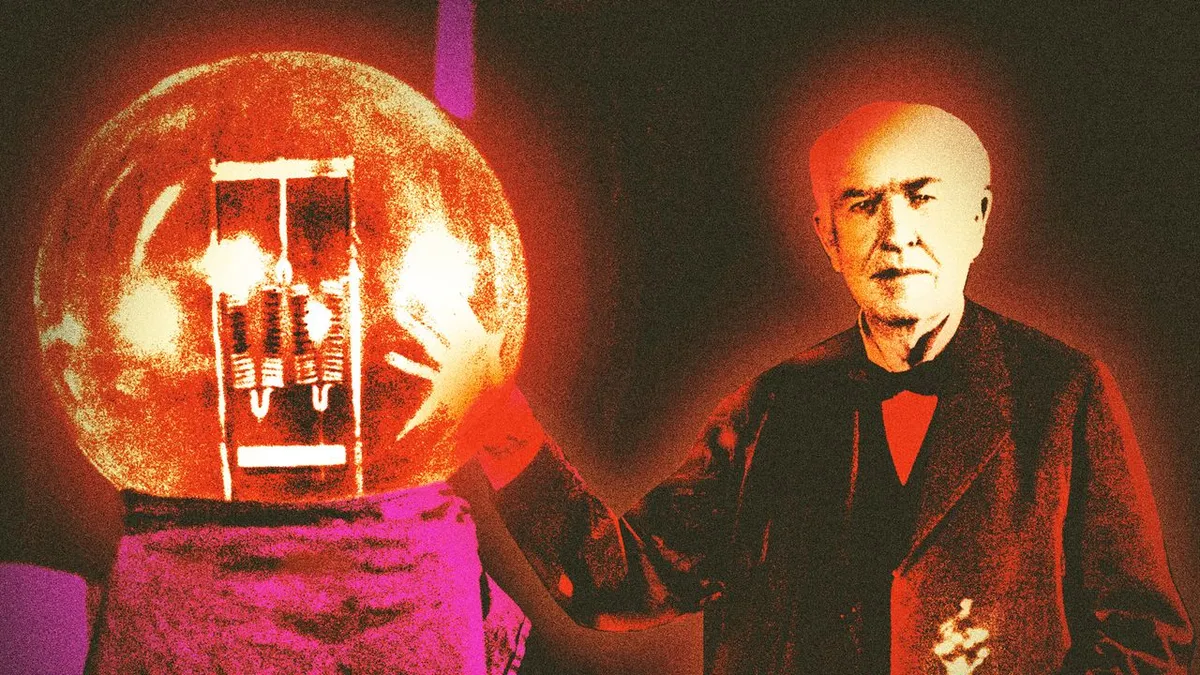
If you've spent more than five minutes on wellness TikTok lately, you've seen them: those eerie red-lit panels bathing influencers in what looks like the ambiance of a budget haunted house. Red light therapy is having a moment - a very expensive, very glowy moment. But is it actual science or just expensive placebo with great aesthetics?
So what even is it?
Red light therapy (officially called photobiomodulation, because scientists love making things sound intimidating) involves exposing your skin to low-wavelength red light. The idea is that your cells absorb this light and use it to produce more energy - sort of like photosynthesis, except you're the plant and the outcome is (allegedly) better skin rather than oxygen.
According to GQ's skeptic-friendly breakdown of the trend, there's actually some legitimate research behind the hype. Studies suggest red light can stimulate collagen production, reduce inflammation, and even nudge hair follicles into a more active growth phase. For workout bros, there's also data pointing to faster muscle recovery. So it's not pure snake oil - which is honestly more than you can say for half the stuff on wellness shelves.

The catch (there's always a catch)
Here's where it gets complicated. A lot of the research is still preliminary, conducted on small sample sizes, or funded by companies that happen to sell red light devices. Shocking, right? The scientific community is cautiously optimistic at best, and the FDA has approved certain red light devices for specific uses - but "FDA cleared" covers a pretty wide spectrum from "this won't hurt you" to "this is definitely going to cure everything."
Consumer devices also vary wildly in quality and power output. The cheap panel you grabbed off Amazon for $60 might be doing precisely nothing, while clinical-grade equipment operates at intensities that actually penetrate tissue meaningfully. It's the difference between a birthday candle and a spotlight.
Should you try it?
If you've got cash to burn and skin concerns that haven't responded to more conventional treatments, red light therapy seems like a reasonably low-risk experiment. The side effect profile is basically nonexistent as long as you protect your eyes - which, yes, you absolutely need to do.
It's not magic. It won't replace sunscreen, sleep, or vegetables. But as far as wellness trends go, "sits in front of a glowing panel for ten minutes" beats "drinks celery juice at 5am" by a considerable margin. The bar is low, the lights are red, and your mitochondria might just thank you for it.