
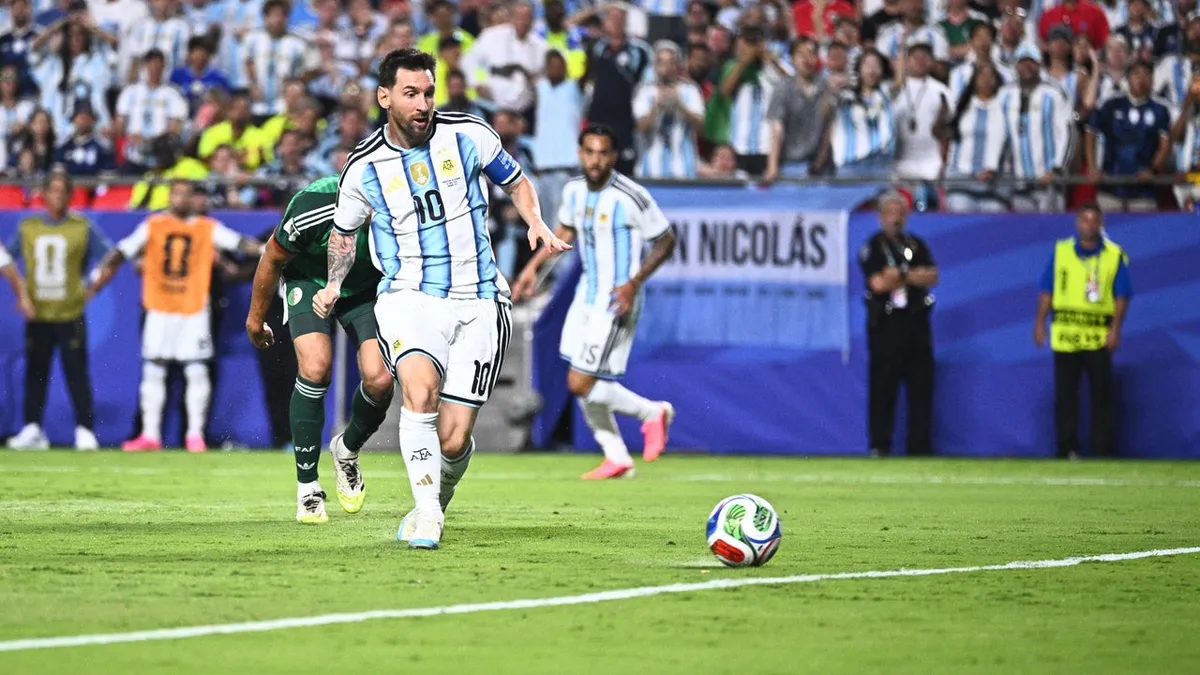
Morocco tying Brazil. Australia beating Turkey. And a Cabo Verde squad ranked 67th in the world holding Spain - yes, Spain - to a goalless draw. If the 2026 World Cup has taught us anything so far, it's that a football pitch is basically a chaos machine with grass on it.
But here's the thing: the upsets aren't random. They're not luck, either. According to a piece from Fast Company, the gap between winning and losing at the highest level has a lot to do with what's happening between a player's ears - not just what's happening at their feet.
The mental game nobody talks about enough
We love to obsess over stats - passes completed, expected goals, sprint distance. But elite players like Messi and Mbappe aren't just physically exceptional. They're operating on a set of psychological principles that most of us never think about while screaming at our televisions.
Fast Company outlines five key mental frameworks that top soccer stars use to perform under the kind of pressure that would turn regular humans into a pile of anxious mush. Think things like emotional regulation, focus management, and the ability to mentally reset after a mistake - because if Mbappe sulked every time something went wrong, he'd be sulking constantly.
So what does this mean for the underdogs?
This is where it gets really interesting. Psychological resilience isn't just a luxury for superstars - it might actually be the great equalizer. A smaller nation with ironclad mental discipline can absolutely disrupt a technically superior squad that folds under pressure. Cabo Verde holding Spain to a 0-0 draw isn't a fluke. It's a masterclass in collective psychological fortitude.
Sports psychology has been catching up to what coaches have quietly known for years: that talent ceiling only matters if your mental floor doesn't collapse first.
Why you should care (even if you hate football)
Here's the nerdy twist - these principles aren't exclusive to people being paid obscene amounts to kick a ball. Emotional regulation, pre-performance routines, and the ability to reframe failure are skills with a pretty wide application range. Like, say, your next high-stakes work presentation or that moment your Wi-Fi cuts out mid-video call.
The World Cup is essentially a giant, sweaty, globally-watched laboratory for applied psychology. And honestly? That makes it even more fun to watch.