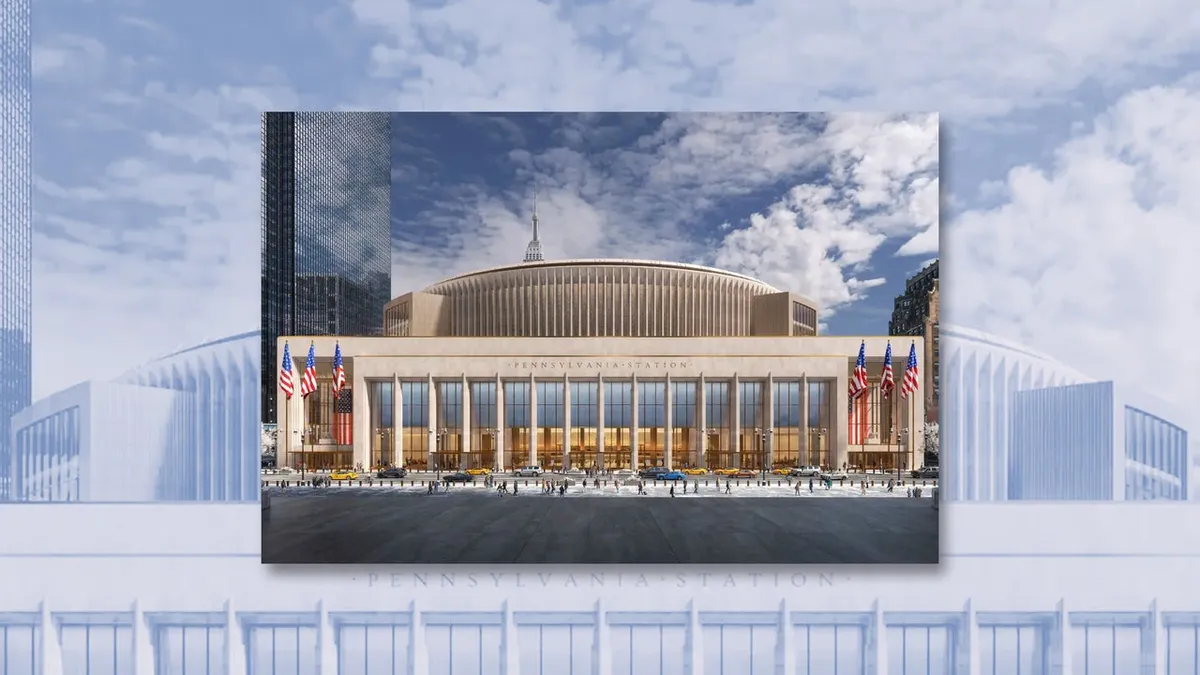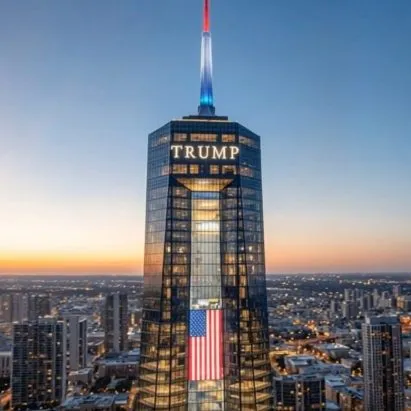
While missiles were flying and geopolitical tensions were doing their whole thing, Donald Trump dropped early renderings of his presidential library concept on an unsuspecting public. And yes, it's a skyscraper. A big, tall, gleaming skyscraper. Are you even surprised?
The predictable wave of architectural critics immediately dunked on the aesthetic choices, because of course they did. Gold-adjacent vibes? Maximalist energy? A building that screams "I exist" from several zip codes away? Shocking. Unprecedented. Call the design police.
But wait - is the dunking actually missing the point?
According to an opinion piece by Matt Shaw published on Dezeen, the critics clutching their Bauhaus textbooks are focusing too hard on the style question and not nearly enough on a genuinely interesting bigger picture: the role architecture plays in political identity-building.
Shaw's argument is essentially that a Trump skyscraper-library is not some deranged anomaly - it's actually consistent with a broader trend of politicians using architecture as a branding exercise. Presidential libraries have always been monuments to ego as much as repositories of documents. They are, at their core, legacy machines. They're built to say "this person mattered."
And if that's the game, then a towering glass-and-steel statement piece is arguably more honest than a tastefully understated campus that pretends it isn't also a monument to someone's self-image.
The real story nobody wants to admit
Here's the uncomfortable architectural truth: every president builds a library that reflects their personality and their base. A skyscraper for Trump is the equivalent of a sleek minimalist complex for someone else - it's just that one aesthetic has cultural cachet and the other makes design Twitter have a full meltdown.
The timing of the reveal - dropped during a genuinely serious international moment - is a whole separate conversation about attention and media management. But the building itself? Shaw makes a reasonable case that dismissing it purely on vibes is lazy criticism.
Whether you think a presidential skyscraper is inspired or insufferable probably says more about your aesthetic politics than it does about architecture's actual relationship with power. Buildings have always been political. This one is just... louder about it.
Which, again - what did you expect?