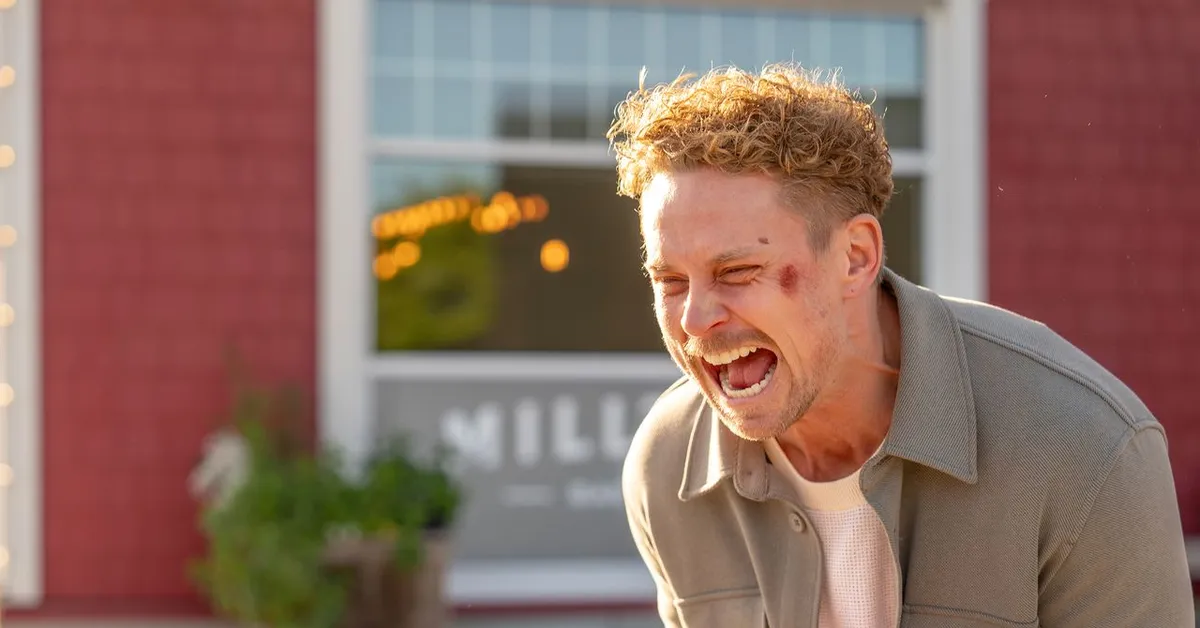
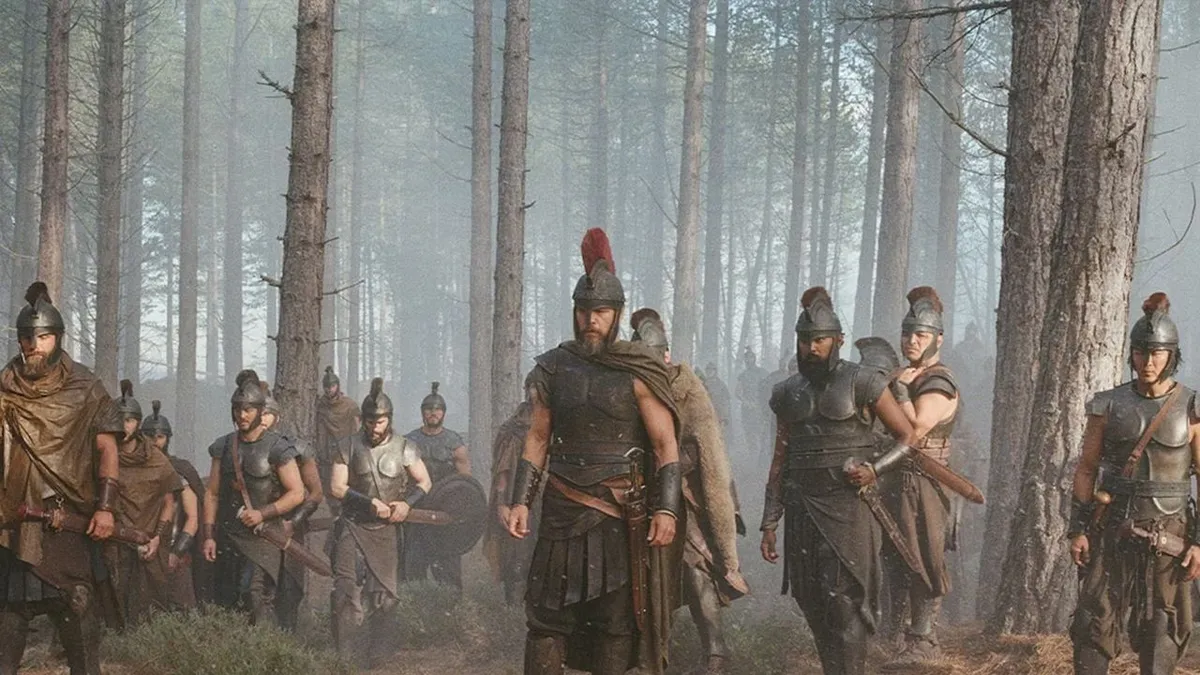
When the trailer for Christopher Nolan's upcoming adaptation of The Odyssey dropped, it didn't take long for the internet to clock something that felt a little... off. American accents. In ancient Greece. Matt Damon, apparently, sailed the wine-dark sea.
The reaction was predictable - a mix of confusion, mockery, and the kind of performative outrage that trailers tend to inspire these days. But according to a piece in GQ, the joke might actually be on the critics.
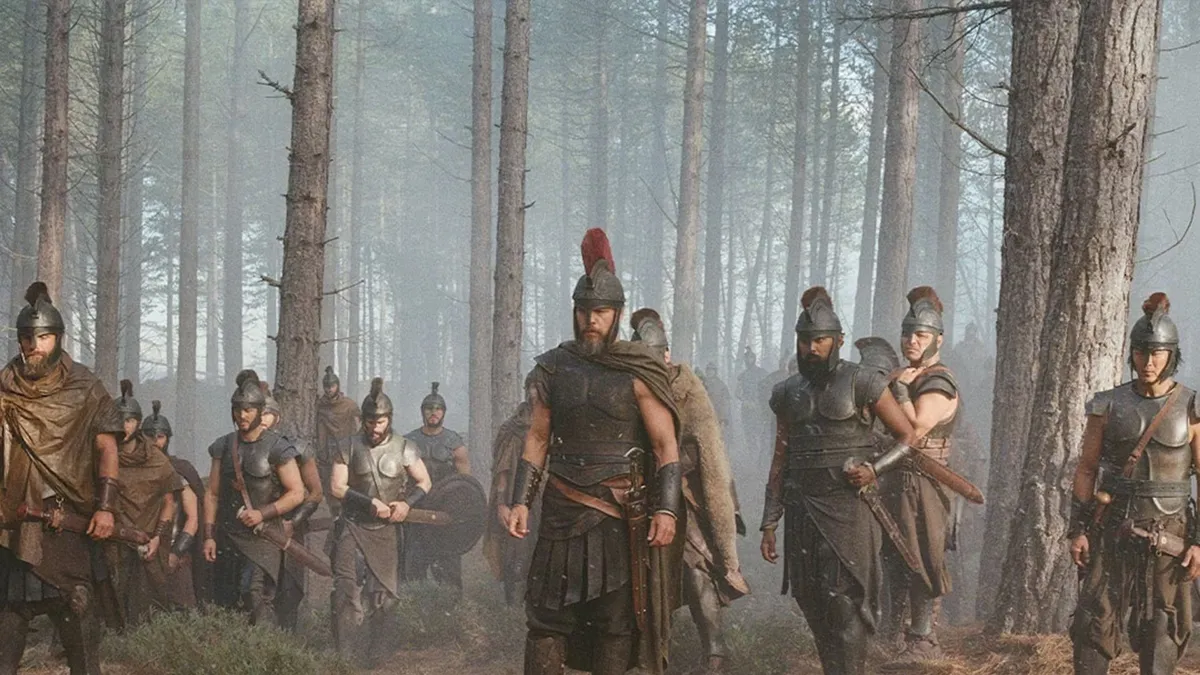
The British accent isn't historically accurate either
Here's the thing that tends to get lost in these conversations: the "posh British accent as default historical setting" rule that Hollywood has leaned on for decades isn't grounded in any real linguistic truth. It's a convention - one that solidified over the 20th century, largely because British theatrical training carried prestige, and prestige felt appropriately ancient.
Ancient Greeks did not speak with received pronunciation. They spoke Ancient Greek, a language so far removed from anything alive today that no accent in any modern film could claim accuracy. When you think about it that way, the choice between a British accent and an American one is essentially arbitrary - both are equally "wrong" from a historical standpoint.
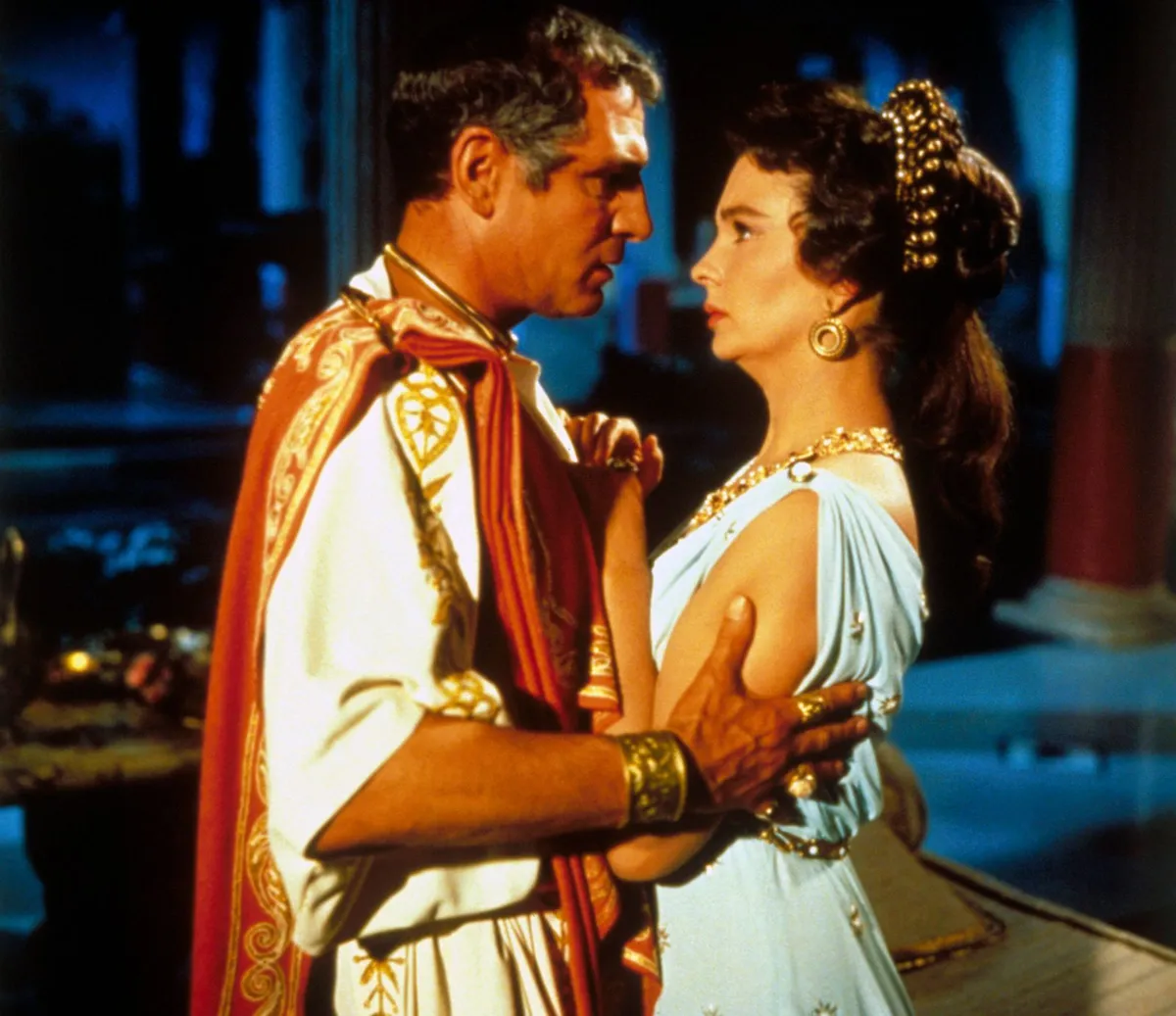
Why it feels weird anyway
So why does hearing American voices in a toga still make audiences flinch? A lot of it comes down to conditioning. Decades of films like Gladiator, Troy, and countless BBC productions have trained us to associate clipped British vowels with antiquity and gravitas. The association runs deep enough that it now reads as neutral, even though it's anything but.
American accents, by contrast, carry strong contemporary cultural associations. They pull us into the present rather than pushing us toward the past - which is more a psychological trick than a factual one.
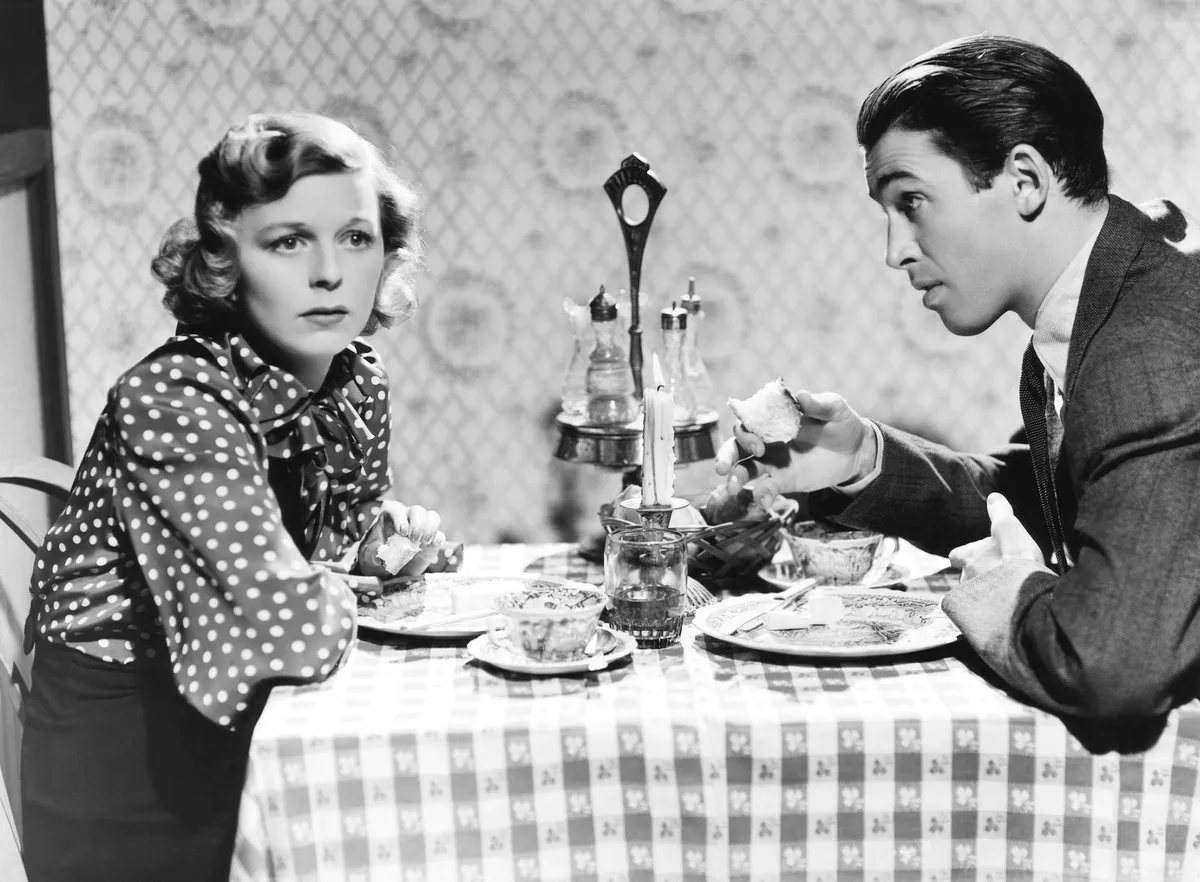
A more honest convention?
There's actually an argument to be made that leaning into familiar modern accents - rather than performing a faux-ancient Britishness - is a more transparent storytelling choice. It doesn't pretend to a historical authenticity it can't deliver. It just tells the story.
Whether Nolan's film pulls it off is another question entirely, and one we won't be able to answer until it's actually in cinemas. But the next time a trailer sparks outrage over accents, it's worth pausing to ask: compared to what, exactly?
The British accent as the sound of history is a modern invention. And maybe it's time we stopped treating it like a fact.