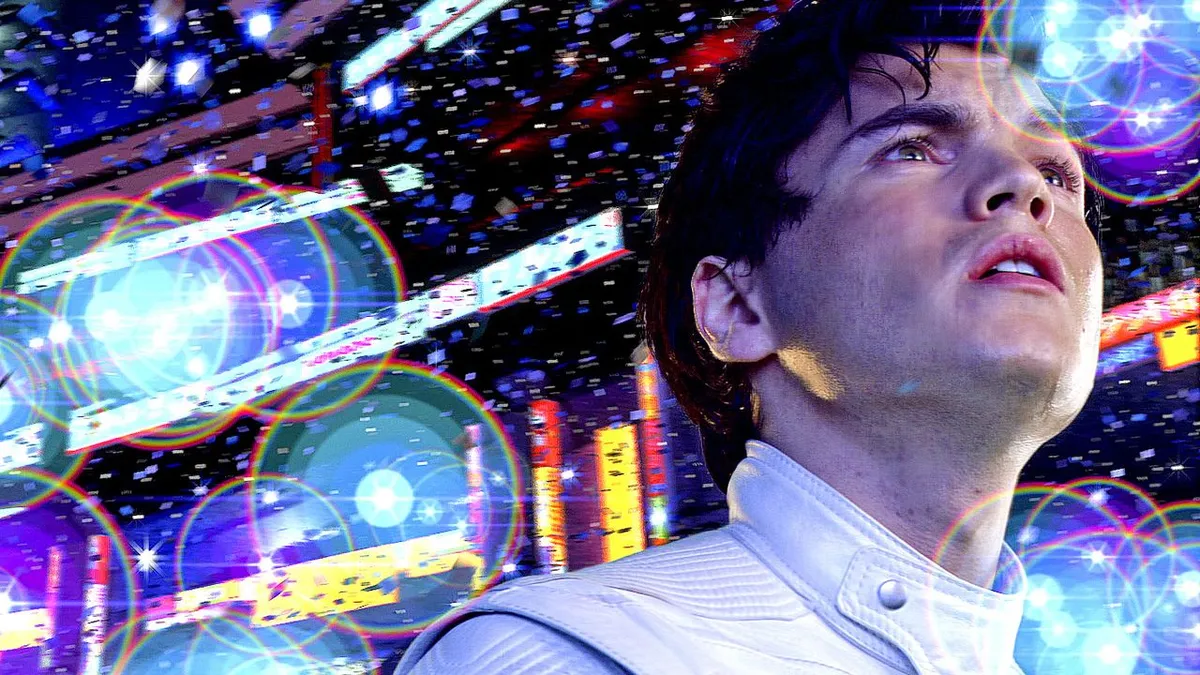
Some films are ahead of their time. And then there's Speed Racer - a movie so aggressively, gleefully from the future that Hollywood still hasn't figured out how to catch up with it, nearly two decades later.
That's the argument GQ is making as the Wachowski Sisters' kaleidoscopic 2008 passion project returns to cinemas for a rerelease. And honestly? It's hard to disagree.
A beautiful disaster, then and now
When Speed Racer first hit screens, it was considered a spectacular misfire. Coming off the back of the Matrix trilogy, the Wachowskis poured their ambition into a hyper-saturated, visually deranged adaptation of the classic anime series - and audiences simply weren't ready. It bombed hard at the box office.
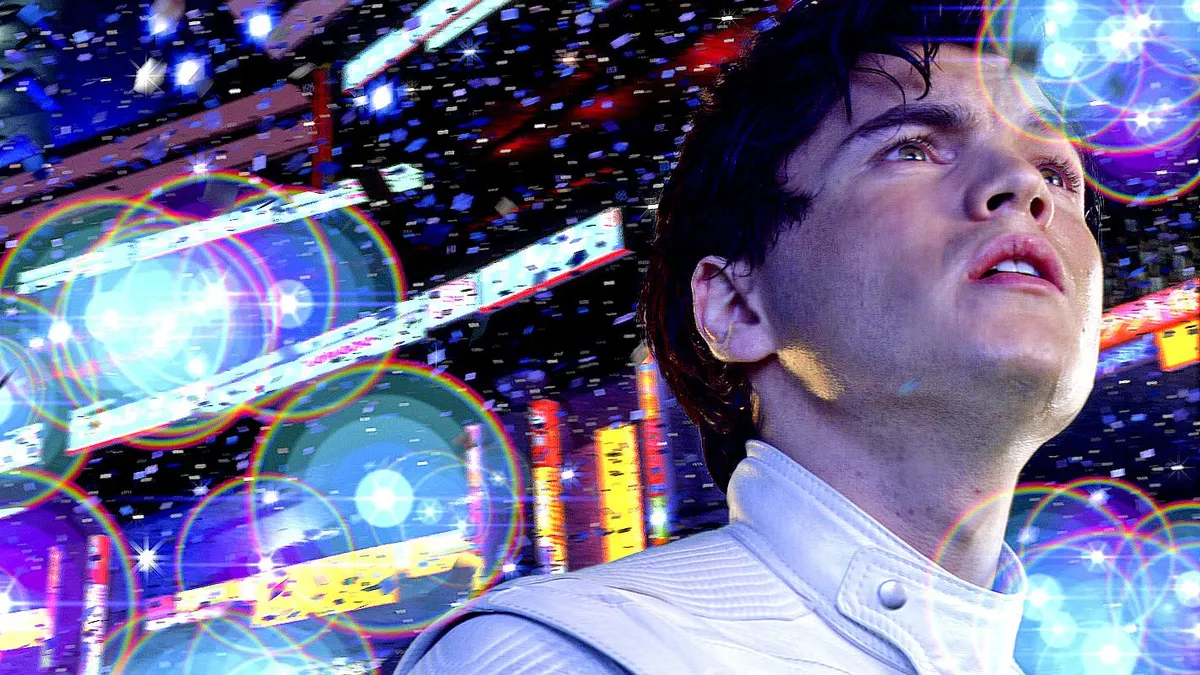
But here's the thing about being ahead of your time: eventually, time catches up. Except in this case, it kind of hasn't. The film's aesthetic - a candy-coloured blur of impossible racing sequences, layered compositions and an almost painterly disregard for photorealism - still looks like nothing else in mainstream cinema. It doesn't feel retro. It feels like a glimpse of something we're still waiting for someone else to attempt.

The case for rewatching it right now
Part of what makes Speed Racer so fascinating on rewatch is how deliberate every wild choice feels. This isn't a film that accidentally stumbled into weirdness. The Wachowskis knew exactly what they were making - a live-action cartoon that pushed digital filmmaking into genuinely new territory, years before that became a conversation in Hollywood.
There's also something quietly radical about how sincerely it commits to its own emotional core. Beneath all the visual noise is a genuinely warm story about family, integrity and fighting a corrupt system. It doesn't wink at the audience or hold its pulpier instincts at arm's length. It just... goes for it.

The rerelease moment it deserves
Seeing it on a big screen - which many people simply never did in 2008 - is apparently a revelation. The film was built for scale, and watching those racing sequences play out in full cinematic glory makes a compelling case that the original theatrical experience was part of what audiences missed.
If you were too young to see it first time around, or wrote it off based on the reviews, this rerelease is a genuinely rare opportunity. Not to watch a cult favourite through nostalgic rose-tinted glasses, but to encounter something that still feels legitimately new.
That's a pretty remarkable thing for a movie to pull off in 2025. And it says something telling about the state of big-budget filmmaking that the Wachowskis' "failure" still has more visual imagination than most of what's currently playing alongside it.