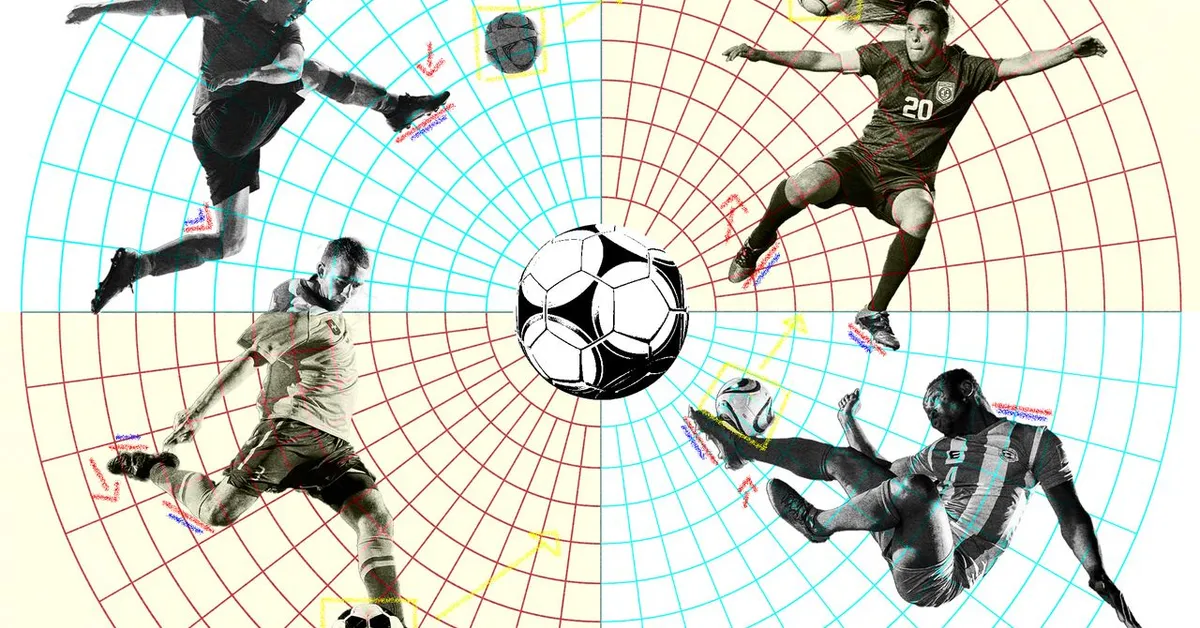
We live in an age of optimization. Fantasy football algorithms, expected goals metrics, heat maps that track every touch of the ball - modern soccer has been dissected, quantified, and analyzed to a degree that would have seemed absurd twenty years ago. And yet, somehow, the sport keeps refusing to be fully understood.
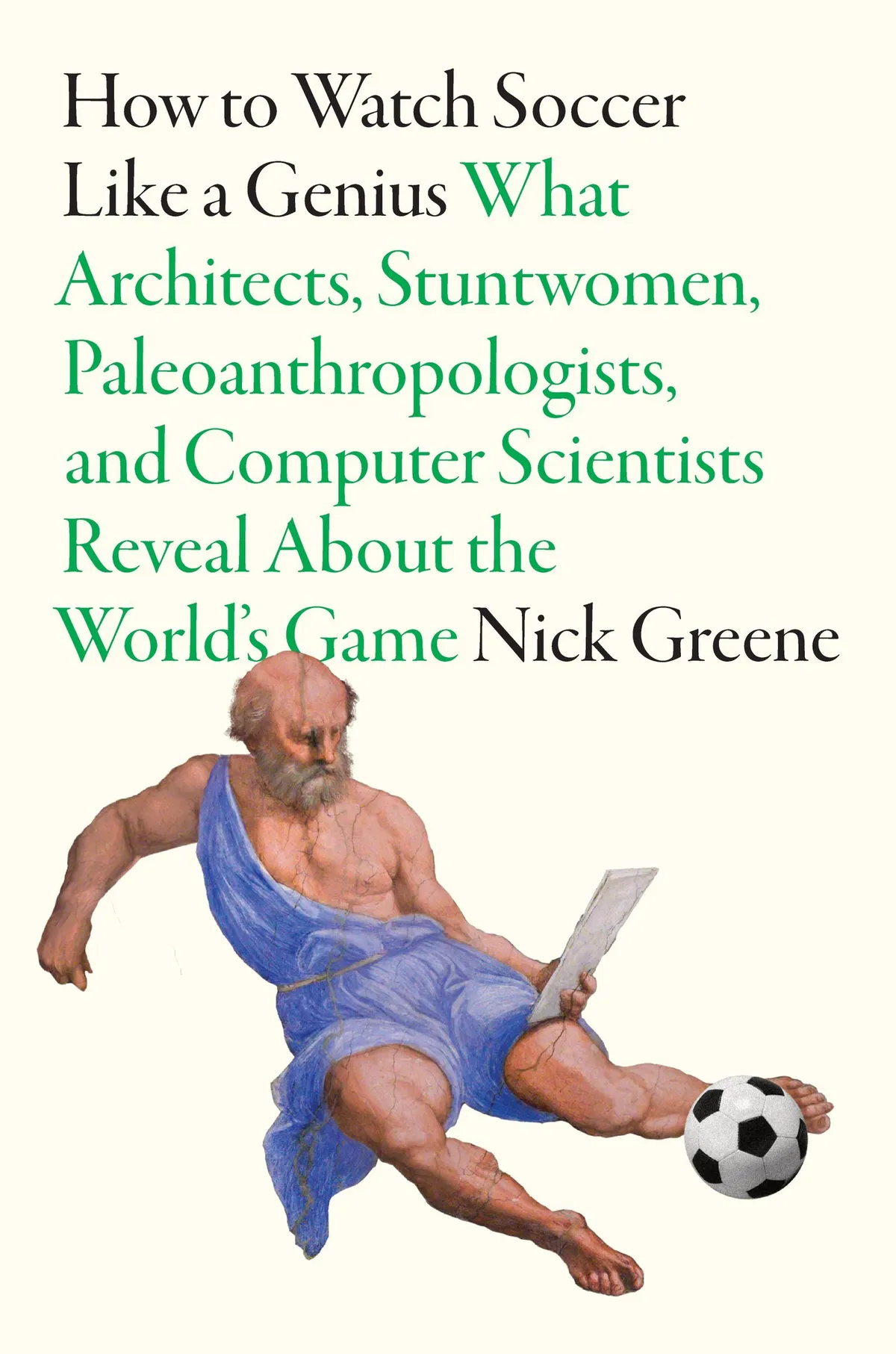
That tension sits at the heart of a fascinating piece in Wired, drawn from Nick Greene's book How to Watch Soccer Like a Genius. The story centers on Sarah Rudd, a statistician who built a career applying probability theory to the pitch and spent years running analytics at Arsenal. If anyone was going to crack the code on soccer, it was her.
And here's the thing - she did crack a lot of it. Rudd's work helped reshape how professional clubs think about player recruitment, tactical positioning, and in-game decision-making. Data genuinely changed football.
But some things still slip through the net
Even Rudd acknowledges that the sport has a stubborn resistance to full statistical explanation. Soccer is low-scoring, chaotic, and shaped by moments of individual brilliance that don't fit neatly into any model. A single deflection, a goalkeeper's instinct, a striker's confidence on a given Tuesday night - these things matter enormously, and they're almost impossible to predict or quantify after the fact.
This isn't a failure of the analysts. It's actually what makes soccer so compelling to watch. The game rewards preparation and intelligence, but it also humbles the prepared and the intelligent on a regular basis. Upsets happen. Underdogs win tournaments. The favorite doesn't always score.
Why this matters beyond the pitch
There's something almost comforting about the idea that one of the world's most-watched sports remains genuinely hard to predict. In a cultural moment where we're constantly told that enough data will eventually explain everything, soccer is a useful reminder that complexity doesn't always yield to analysis.

Greene's book - and Rudd's career - make the case that understanding soccer is about holding two things at once: the statistical frameworks that genuinely improve how we see the game, and a real appreciation for the beautiful, frustrating, utterly human moments that those frameworks can't account for.
The best analysts, it turns out, are the ones who know where their tools stop working. That's not a limitation. That's wisdom - and it might just be the most interesting thing about the sport.