If you were a dedicated Mac user during the mid-2010s, you know the pain. Butterfly keyboards that failed at the slightest provocation. A clunky all-in on USB-C that left everyone scrambling for dongles. The Touch Bar - a genuinely interesting idea that never quite found its purpose. And Intel chips that occasionally felt like they were holding the whole platform back. For a stretch of years, it really seemed like Apple had quietly redirected its best energy toward the iPad and left the Mac to coast.
Apple Silicon changed everything
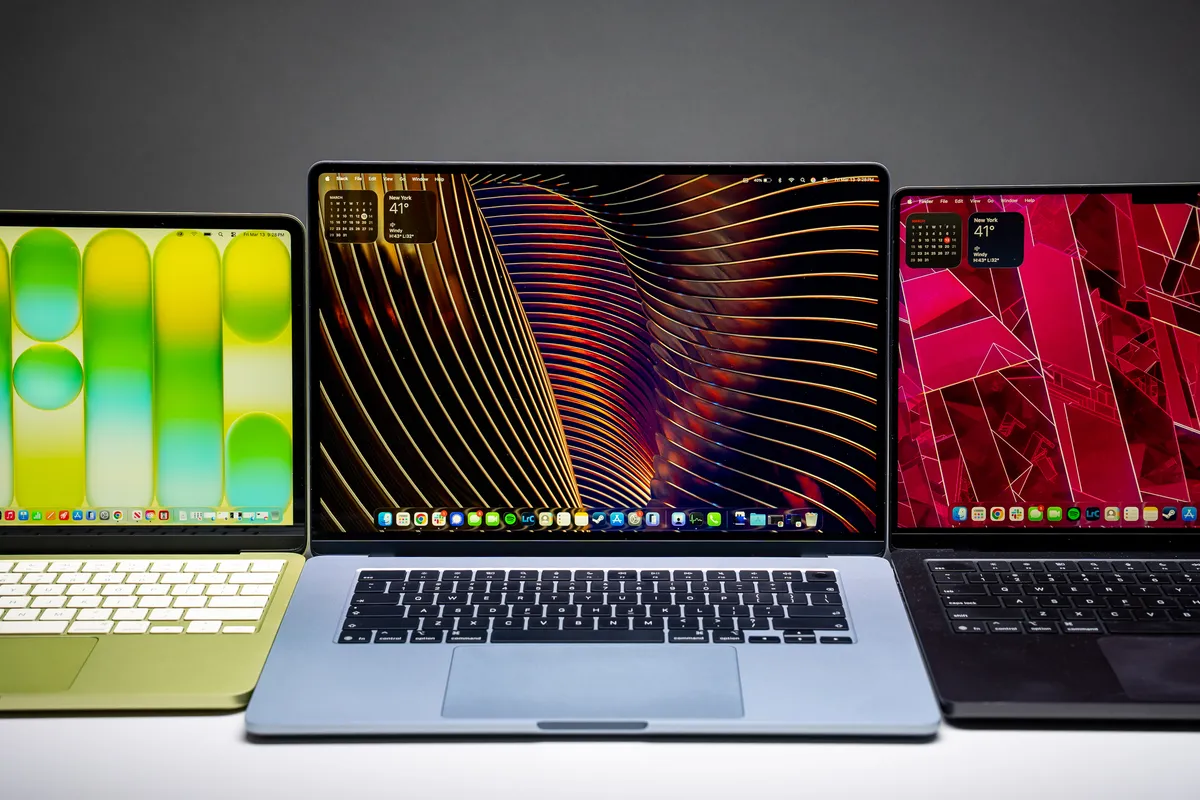
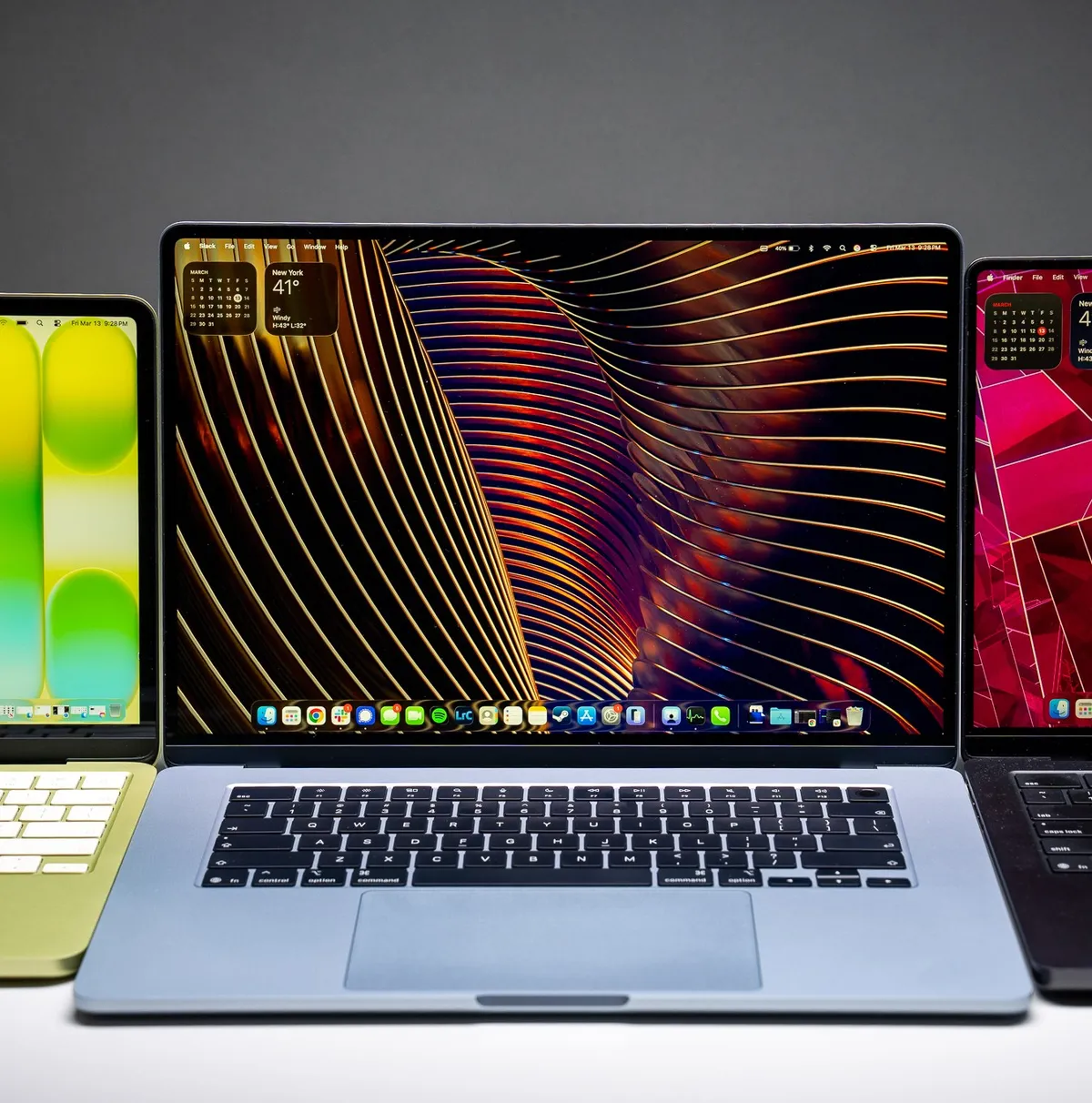
Then came 2020 and the shift to Apple Silicon, and almost overnight, the Mac felt exciting again. The performance gains were dramatic, battery life improved dramatically, and the machines started running cool and quiet in a way that felt almost unsettling. It wasn't just a chip swap - it was a signal that serious engineering talent was being pointed back at the Mac.

That engineering talent has a face now. According to reporting from The Verge, as Apple moves into its post-Tim Cook era, the people most responsible for the Apple Silicon revolution are stepping into larger leadership roles. That matters more than it might sound.
Why leadership transitions matter to users
It's easy to think of executive shuffles as purely corporate news - the kind of thing that affects stock prices but not your daily life. But the people setting priorities at a company like Apple genuinely shape what gets attention, what gets funded, and what gets shipped. When the architects of one of the Mac's greatest turnarounds are the ones now holding the reins, that's a meaningful signal about where things are headed.
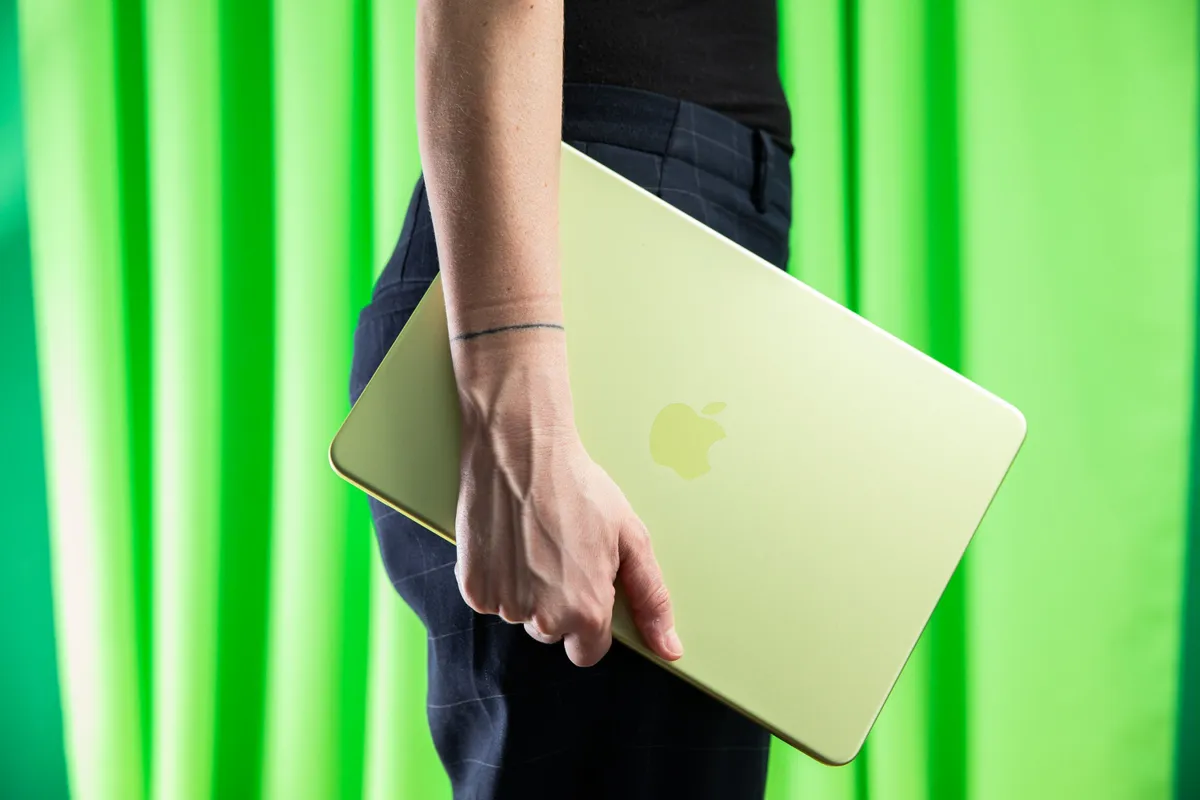
For Mac users, it suggests the momentum that began with Apple Silicon isn't likely to stall. The people who understood what made that transition so successful - and who clearly cared about getting it right - are now positioned to keep pushing the platform forward.
A platform worth caring about again
There's something genuinely refreshing about rooting for the Mac right now. After years of wondering whether Apple truly valued its computer lineup, the evidence keeps pointing in a good direction. The hardware is excellent, the software integration keeps improving, and now the leadership structure seems aligned with continuing that trajectory.
Whether you're a longtime Mac loyalist who survived the butterfly keyboard era or someone who came back to the platform after Apple Silicon made it irresistible, the outlook looks good. The Mac is in capable hands - and based on recent history, those hands know exactly what they're doing.