Something strange is happening to the college-educated professional class. The group that once formed a reliable bloc of optimistic, upwardly mobile centrists is fracturing - and the reason why is more economically raw than most political pundits want to admit.
According to reporting from Vox, the era of the high-skilled worker enjoying automatic job security and social prestige is coming to an end. As automation and AI tools chip away at work that once required years of expensive training, credentials are losing their protective power. The diploma that was supposed to be a golden ticket is starting to look more like a participation ribbon.
When the ladder gets pulled up
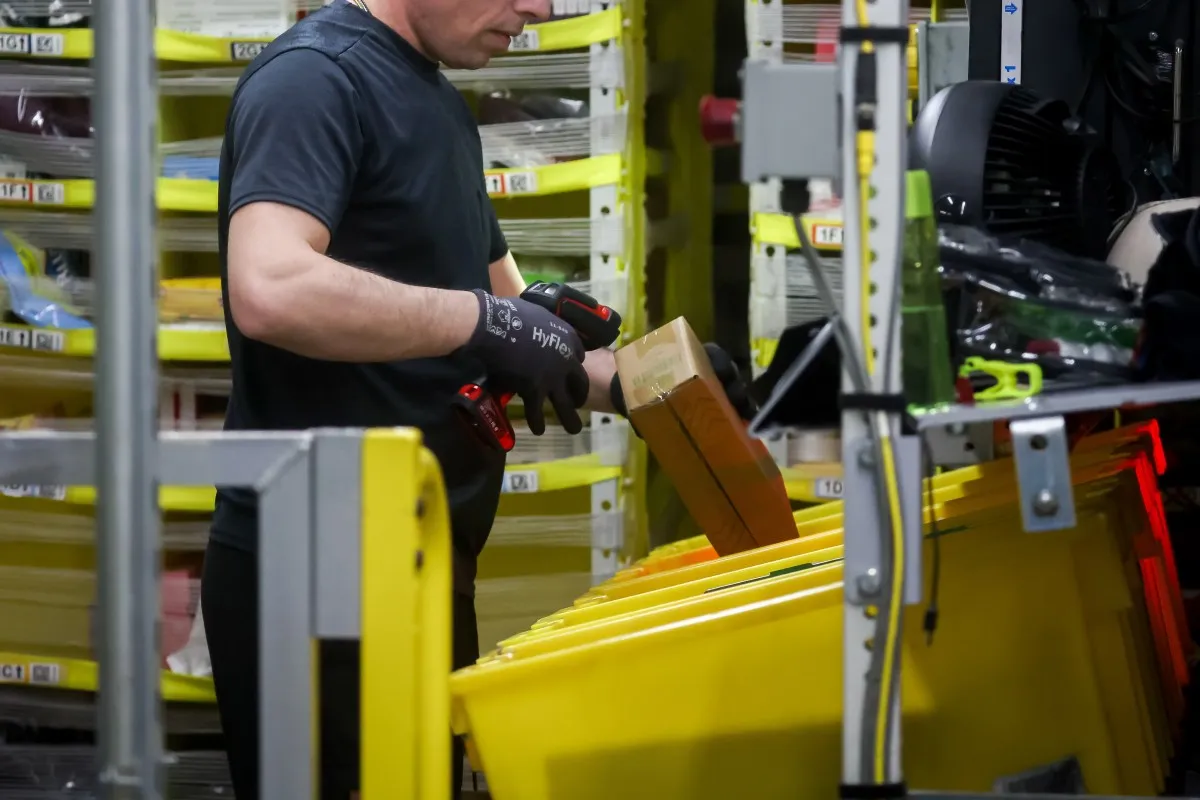
The shift is playing out in two uncomfortable ways. Some college graduates are finding themselves pushed into jobs well below their qualifications - the barista with a law degree, the delivery driver with a master's. Others are holding onto their professional roles, but only by accepting conditions that would have been unthinkable a generation ago: longer hours, less autonomy, weaker job security, and wages that haven't kept pace with the cost of actually living a middle-class life.
Neither situation is comfortable. And neither is politically neutral.
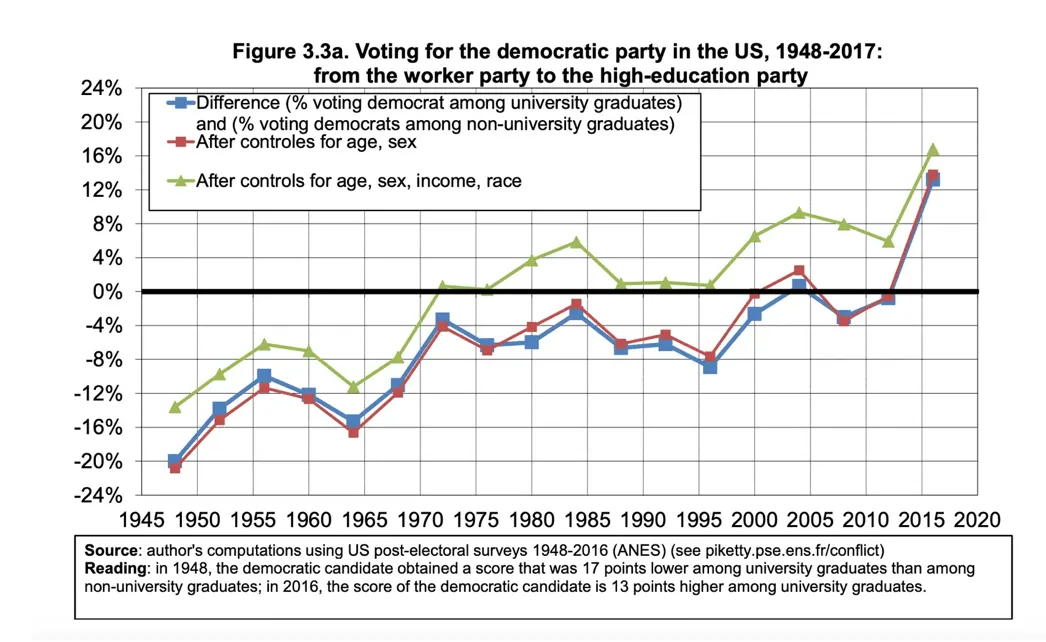
When a group that was promised stability starts feeling economically precarious, their political allegiances tend to shift in unpredictable directions. The college-educated worker who once felt securely above the fray of labor disputes and economic anxiety is increasingly finding common cause with workers they were implicitly told to feel separate from.
Why this matters beyond the ballot box
This isn't just an interesting political science footnote. It touches on something most of us in our 20s, 30s, and 40s are quietly feeling: the sneaking suspicion that doing everything right - getting the degree, building the resume, playing the long game - isn't paying off the way it was supposed to.
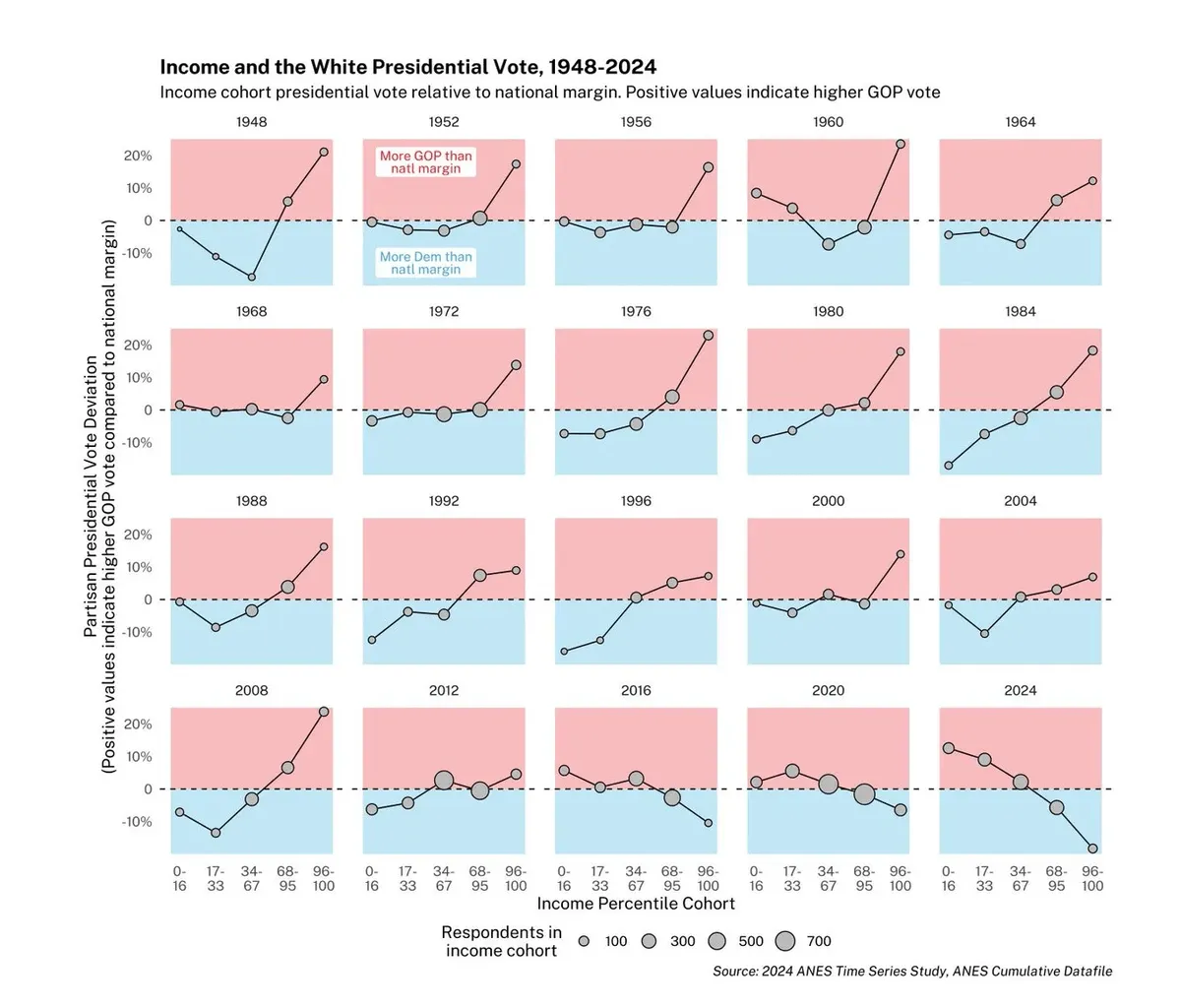
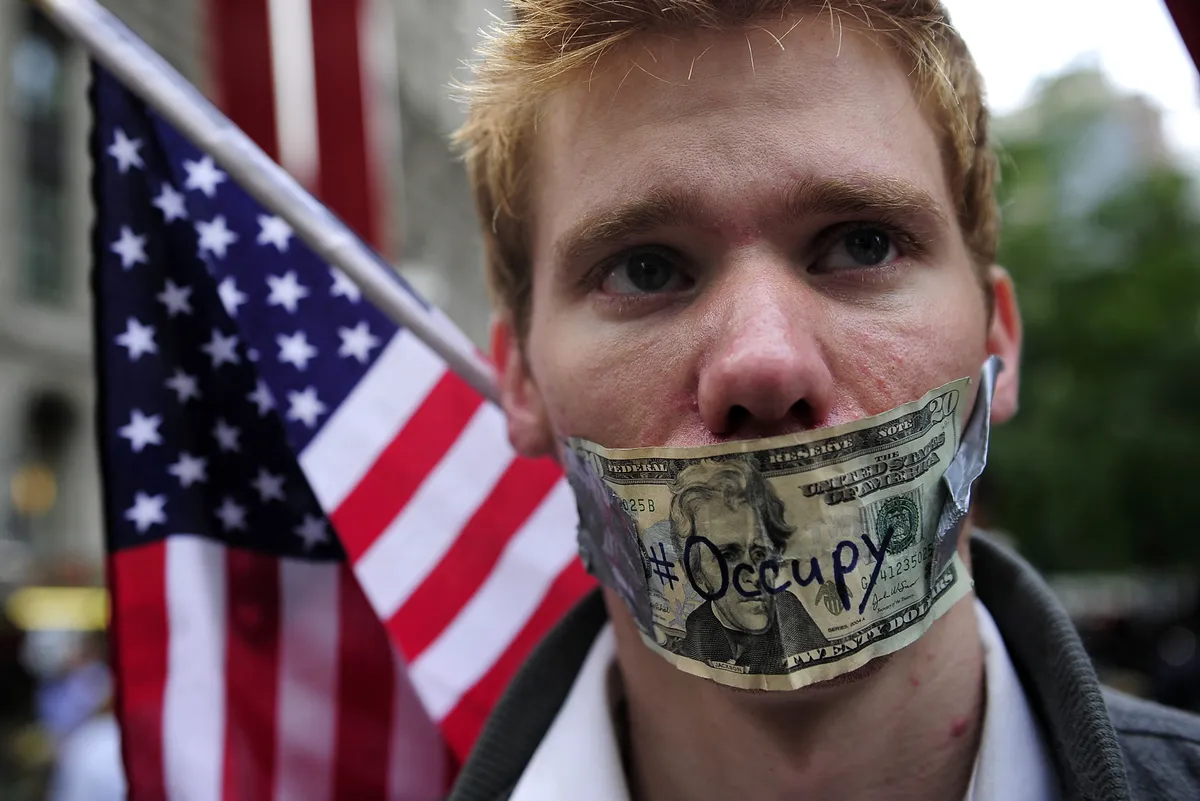
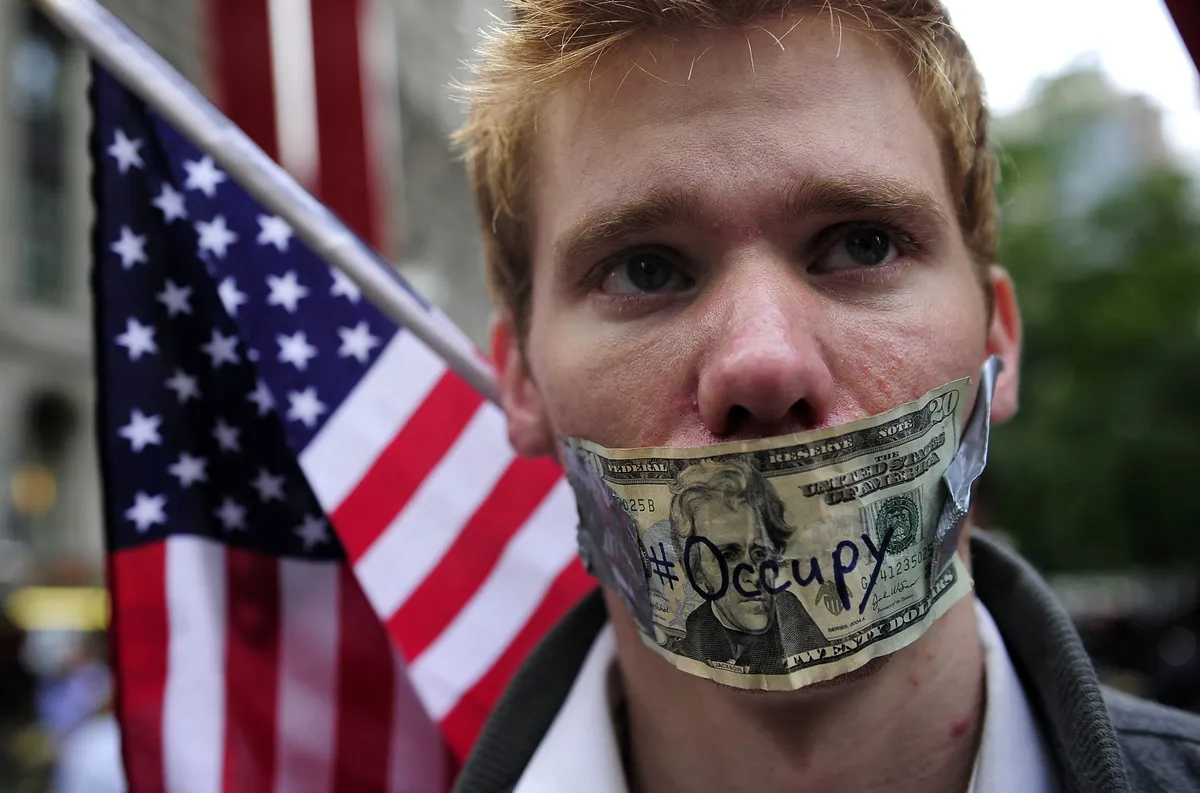
That disillusionment is politically potent. It's the kind of shift that doesn't show up cleanly in polling data but reshapes entire party coalitions over time. Think of Occupy Wall Street, which drew heavily from frustrated, over-educated and under-employed young adults who felt locked out of the prosperity they'd been promised.
The questions that follow from all this are genuinely hard ones. If the college degree no longer reliably delivers economic security, what does? And if the professional class is no longer a stable, contented political center, where does that energy go?
We don't have clean answers yet. But the fact that this transformation is already underway - quietly, in offices and apartments across the country - makes it worth paying attention to right now, not just when it finally explodes into the open.