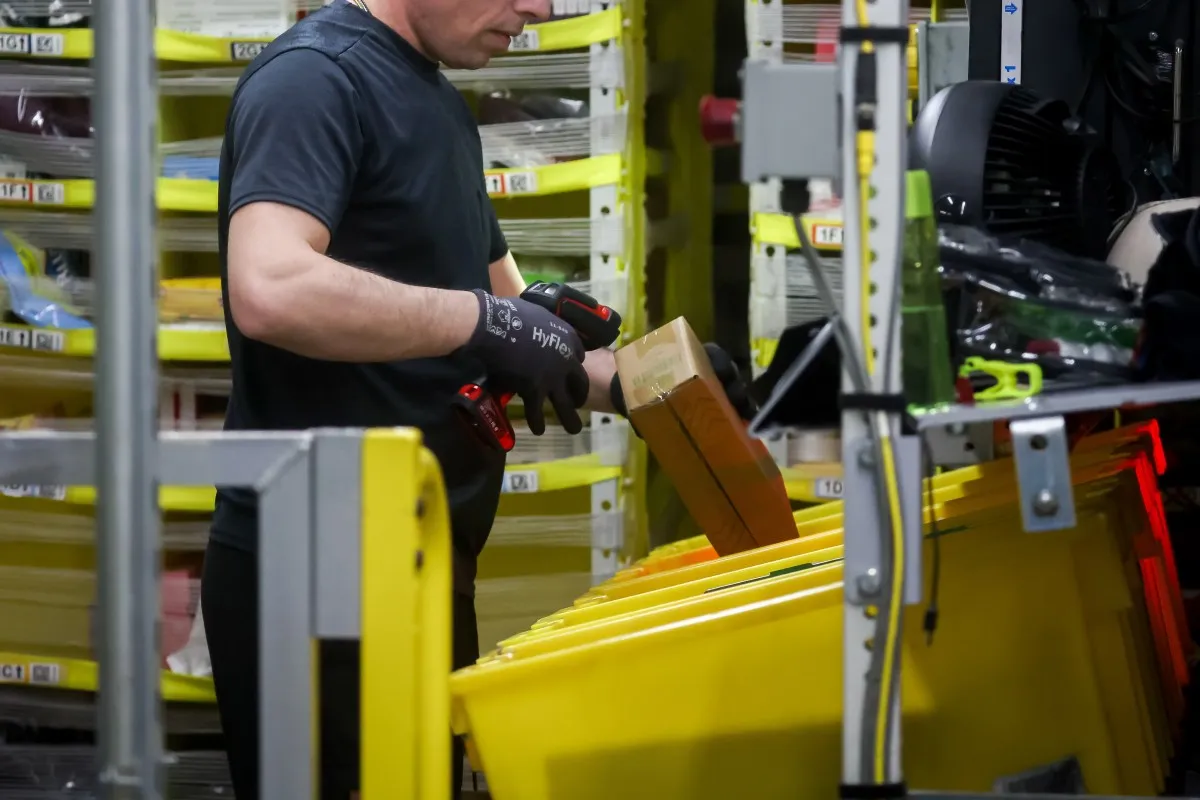
A worker at an Amazon warehouse facility in Oregon has died on the job, according to a report from TechCrunch. While the circumstances were tragic, Amazon stated that the death was not related to the worker's job duties or the conditions of the workplace.
Details surrounding the incident remain limited, but the news arrives against a backdrop of long-standing questions about safety at Amazon's vast network of warehouses. The company has faced repeated scrutiny from labor advocates, regulators, and journalists over injury rates and working conditions inside its fulfillment centers - making any incident involving worker welfare a topic that draws serious public attention.
Why this matters beyond the headlines
Amazon is one of the largest employers in the United States, with hundreds of thousands of warehouse workers keeping its delivery machine running. When something goes wrong inside one of those facilities, it tends to resonate far beyond the individual story - because so many people either work for the company, know someone who does, or rely on it daily.
The company's warehouse safety record has been a contentious issue for years. Advocacy groups and investigative reports have pointed to high injury rates, and Amazon has pushed back against those characterizations, arguing that its reported numbers reflect a more transparent reporting culture rather than a more dangerous one. That debate has never fully been resolved, and incidents like this one inevitably reignite it.

What Amazon said
Amazon's position is that the death was not work-related, which would place it in a different category than an on-the-job injury or a safety failure. That distinction matters legally and reputationally, though it does little to reduce the human weight of losing a worker inside a company facility during a shift.
Workplace deaths, regardless of their cause, tend to prompt questions about how companies care for the people who keep their operations running - whether that means physical safety infrastructure, access to medical support, or simply a culture that treats workers as people first.
As of now, no regulatory findings or additional details about the specific cause of death have been made public. The story is still developing, and further information from Oregon workplace safety authorities could change the picture significantly.
For the millions of people who shop with Amazon and the hundreds of thousands who work for it, moments like this are a reminder that behind every fast delivery is a real person - and that how large employers treat those people is worth paying attention to.