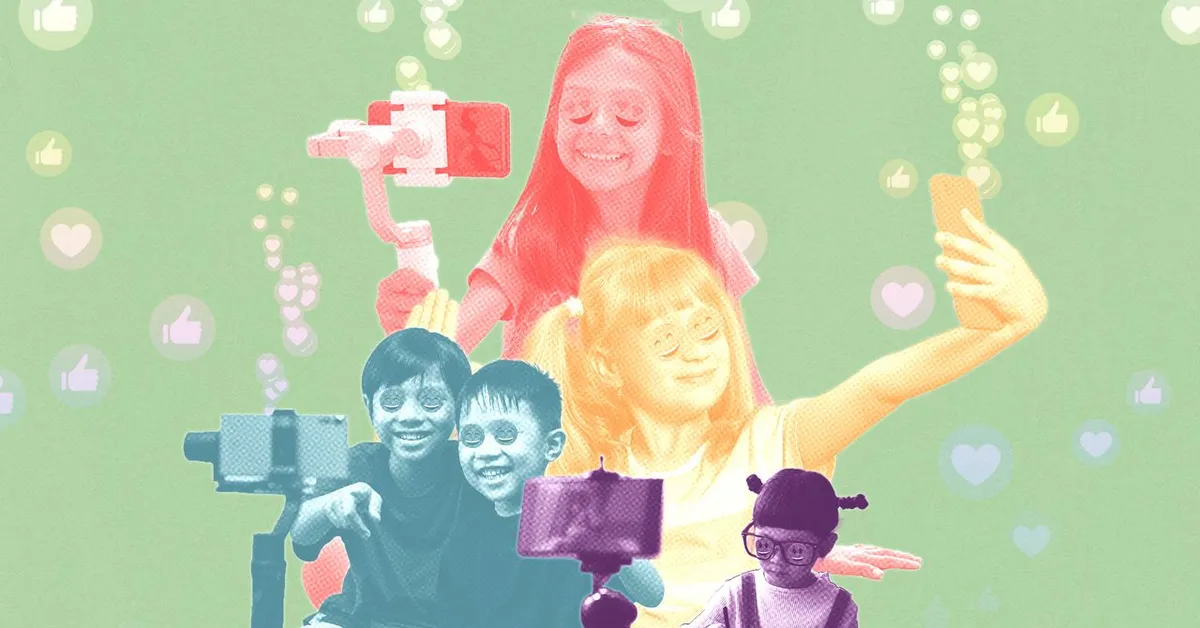
There is something that feels instinctively off about a mother posting sponsored content around her daughter's first period. And yet, according to journalist Fortesa Latifi's new book - covered in depth by Wired - this is just one of many moments that have been turned into content in the world of family influencing.
A world built on children's private lives
Latifi's reporting digs into a sprawling and largely unregulated industry where children's milestones, emotions, and bodies become raw material for engagement and brand deals. The picture she paints is not one of straightforwardly villainous parents, but something more complicated and perhaps more unsettling - adults who genuinely love their kids while also treating their childhoods as a monetisable asset.
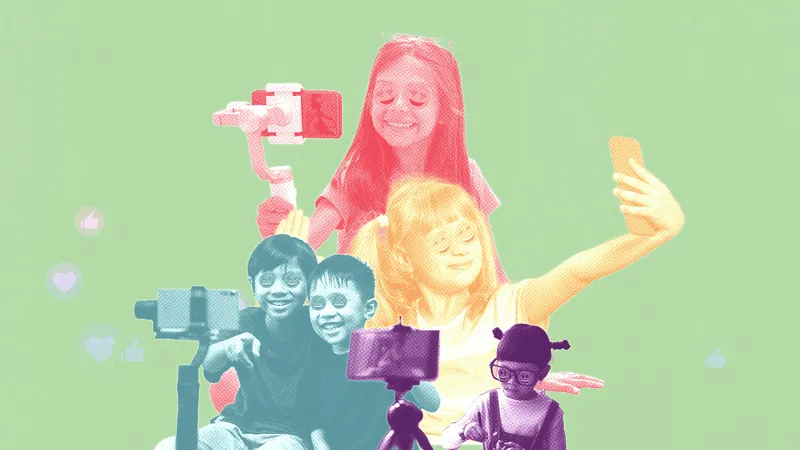
Among the details that emerge: partially clothed children used to boost engagement numbers, and a notably strong presence of Mormon momfluencers who have built enormous audiences around wholesome family aesthetics. The gap between what is performed for the camera and what is actually happening is, to put it gently, significant.
Why this matters beyond the obvious
It would be easy to file this under "things happening to other people's children" and scroll on. But the implications reach further than any individual family's choices. These children cannot consent to having their most intimate moments - physical, emotional, developmental - broadcast to hundreds of thousands of strangers. And unlike child actors, who have at least some legal protections in place in certain jurisdictions, child influencers exist in a regulatory grey zone that very few governments have seriously addressed.
There is also the question of what it does to a child's sense of self to grow up performing their life for an audience. The attention, the comments, the brand partnerships - all of it shapes how a young person understands their own value and privacy.
Not just a parenting story
Latifi's book arrives at a moment when the broader conversation around social media's impact on young people is finally getting serious traction. But where much of that conversation focuses on teenagers passively consuming content, this is about children who are actively placed inside it - often before they are old enough to understand what that means.
For anyone who has ever paused on a family influencer's perfectly lit reel and felt vaguely uneasy without quite knowing why, this reporting offers some answers. It is worth sitting with the discomfort rather than swiping past it.