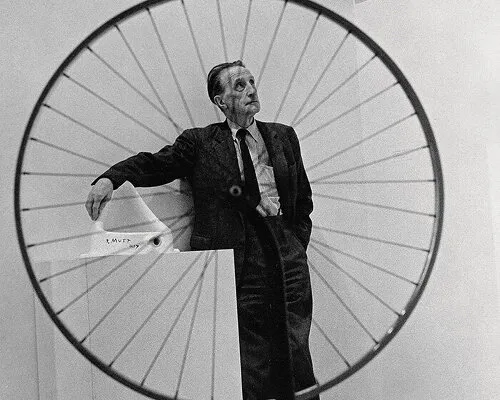
A signed urinal. A bicycle wheel mounted on a stool. A bottle rack pulled from a Paris market. These objects have been confusing, delighting, and occasionally infuriating people for over a hundred years - and right now, they're back in New York, showing up at both MoMA and Gagosian in a timely reminder that some questions never really get answered.
The return of the readymade
Marcel Duchamp's readymades are among the most debated objects in modern art history, and new exhibitions in New York are bringing them back into focus, according to reporting by Designboom. Rather than presenting these works as solved mysteries filed neatly into art history, the shows treat them as live wires - still capable of sparking real debate about authorship, value, and what viewers actually bring to a piece of work.
That last point is worth sitting with. Duchamp's whole move was to suggest that the artist's hand matters less than the artist's idea, and that the person standing in front of the work completes it in some way. In an era where AI-generated images are crashing the conversation about creativity and who gets credit for what, that feels less like a dusty academic argument and more like something genuinely urgent.
What makes a readymade radical
The readymade's core provocation is simple but bottomless: if an artist selects an ordinary object and places it in a gallery, does that make it art? Duchamp said yes. Critics in 1917 said absolutely not - his famous Fountain was rejected from a supposedly open exhibition before becoming arguably the most influential artwork of the 20th century.
What's clever about returning to these works now is that the question hasn't been settled. If anything, it's expanded. The art market assigns enormous financial value to objects that challenge the very idea of value. Galleries sell works that ask whether galleries should exist. The readymade didn't just open a door - it knocked the whole wall down, and we're still walking around in the rubble figuring out what to build next.
Worth your time
If you're in New York, this is one of those rare moments where two major institutions are engaging with the same body of work simultaneously, which creates a genuinely interesting opportunity to see how different contexts shape the same objects differently. A readymade at MoMA hits differently than one at Gagosian - and Duchamp would probably find that very funny.
Even if you can't make the trip, the conversation these shows are reigniting is worth following. Because the readymade's real legacy isn't a urinal behind glass. It's the habit of asking, every time you encounter something labeled "art": who decided that, and why does it matter?