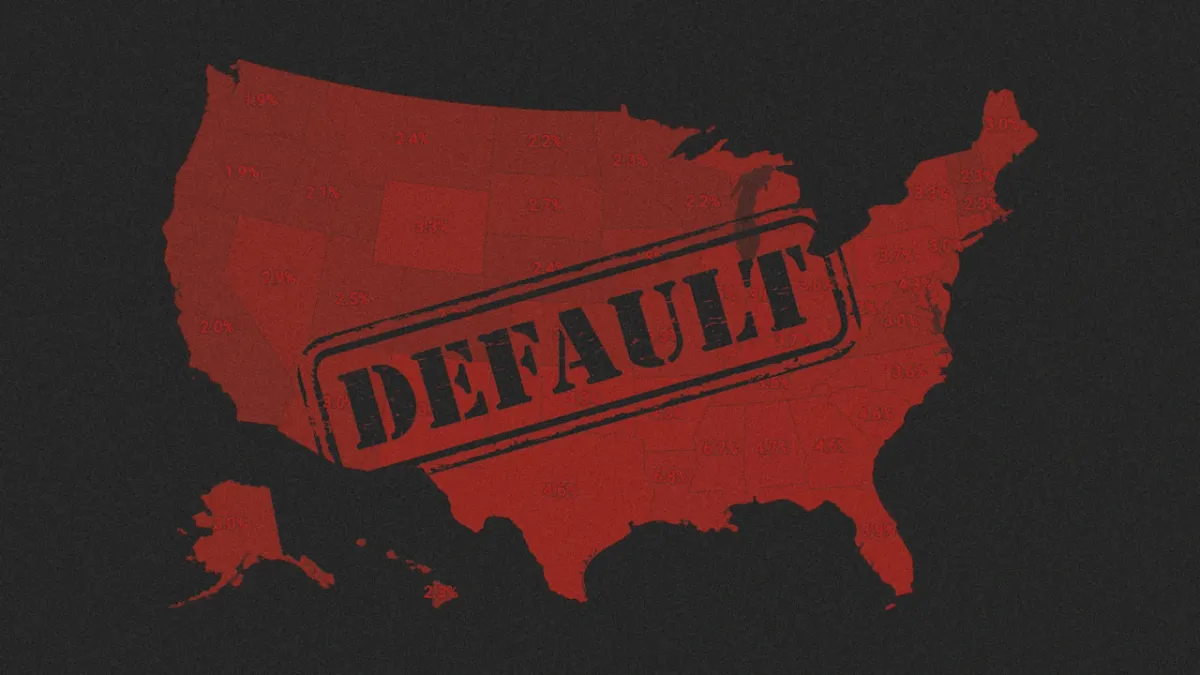
By the time a foreclosure makes headlines, the financial pain behind it has usually been quietly building for months. That's why housing analysts pay close attention to early-stage mortgage delinquencies - the 30- and 60-day missed payments that signal a household is starting to struggle, well before any legal proceedings kick in.
According to reporting from Lance Lambert's ResiClub via Fast Company, this kind of upstream data is one of the clearest windows we have into the real health of local housing markets right now. And what it's showing is that mortgage distress is far from evenly spread across the country.
How the pipeline works
Here's the basic mechanics: a borrower misses a payment and enters the 30-day delinquency bucket. If things don't improve, they slide to 60 days, then 90 to 180 days past due. Lenders generally can't begin foreclosure proceedings until a borrower is at least 120 days delinquent - so by the time a foreclosure filing appears in the data, the stress actually started half a year or more earlier.
That lag matters a lot for anyone trying to read the housing market accurately. Early delinquency rates are essentially a leading indicator, giving a preview of where foreclosure pressure could land in the months ahead.
Why this matters beyond the numbers
For anyone renting, buying, or already owning a home, regional delinquency trends carry real-world implications. Markets with rising early-stage distress could see more inventory come online as financially stretched owners are eventually forced to sell - which in some overheated areas might actually offer relief to buyers. In other cases, elevated distress concentrated in lower-income neighborhoods can drag on local property values more broadly.
On the flip side, markets with low delinquency rates and stable mortgage performance tend to signal stronger local economies, healthier household finances, and less near-term volatility in home prices.
The bigger picture
After several years of historically low foreclosure activity - propped up by pandemic-era forbearance programs and rapid home price appreciation that gave struggling owners a financial cushion - the data is worth watching more carefully now. Rising insurance costs, property taxes, and everyday cost-of-living pressures are squeezing homeowners in ways that don't always show up immediately in the headlines.
Mortgage distress doesn't announce itself loudly. It starts with a single missed payment. Keeping an eye on where those missed payments are clustering is one of the smarter ways to stay ahead of where the housing market is actually heading.