Listen. We all secretly want a tiny robot servant gliding silently across our floors while we pretend to be productive. The dream is real, and in 2026 it comes with AI, mop attachments, and a price tag that will make your wallet physically recoil.
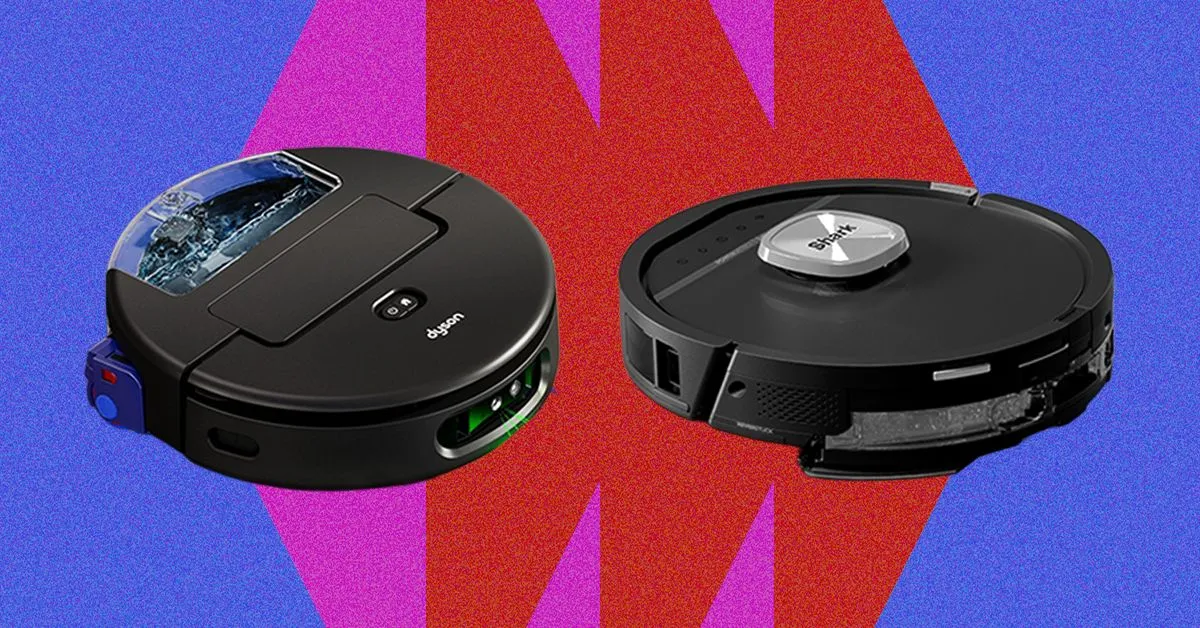
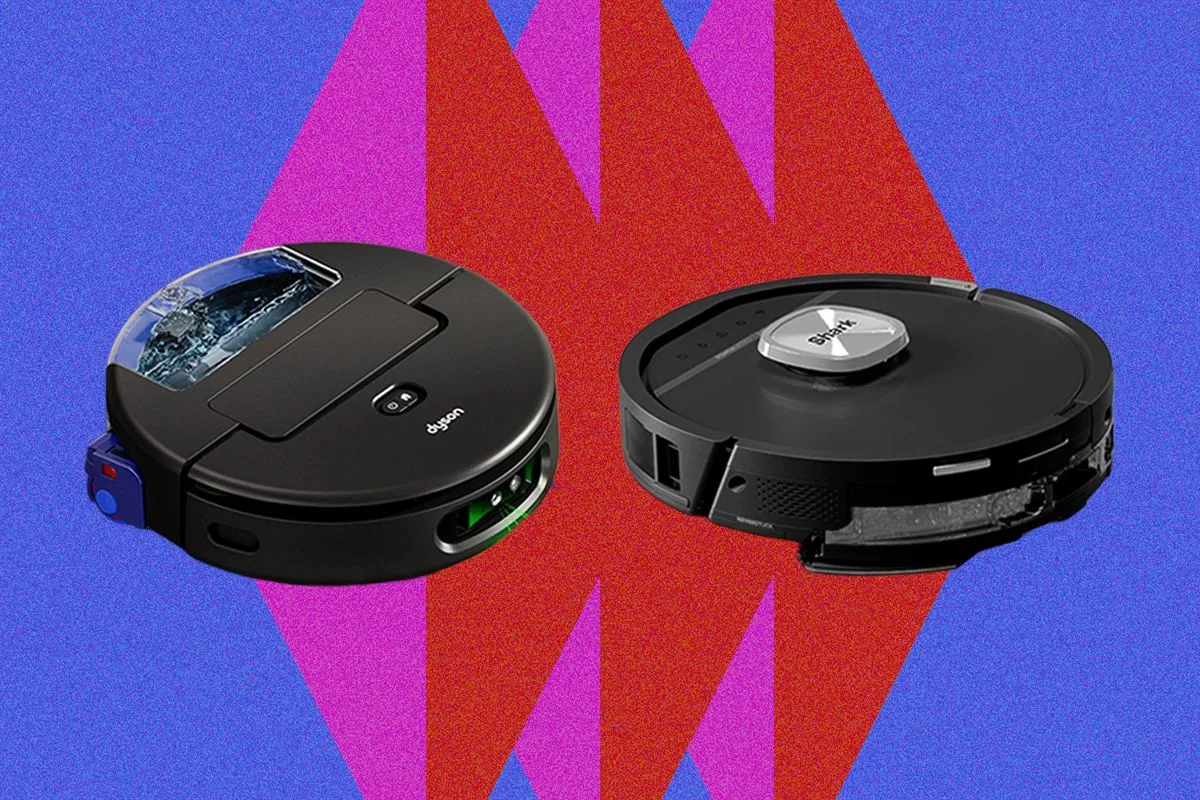
The folks over at Wired decided to do the lord's work and actually live with both Shark's and Dyson's latest AI-powered robot vac-mop hybrids to find out which one deserves a permanent spot in your home - and which one deserves to be yeeted into the sun.
Why this even matters
Robot vacuums used to be glorified Roombas that got stuck under your couch and cried (okay, beeped) for help. Now they come loaded with AI navigation, self-emptying bases, mopping capabilities, and enough sensors to make a NASA engineer blush. The gap between a great one and a mediocre one is enormous - we're talking the difference between a genuinely useful appliance and an expensive toy that terrorizes your pets.
Both Shark and Dyson are household names with serious cleaning pedigree. This is not a fight between a champion and a challenger. This is a heavyweight bout, and someone was going to get knocked out.
The verdict (no spoilers, but also... kind of spoilers)
According to Wired's hands-on testing, one machine came out as a clear winner. Not a photo finish. Not a "well, it depends on your needs" diplomatic cop-out. A clear, decisive, "this one is better" conclusion - which, frankly, is refreshing in a world where every tech review ends with "both are great options!"
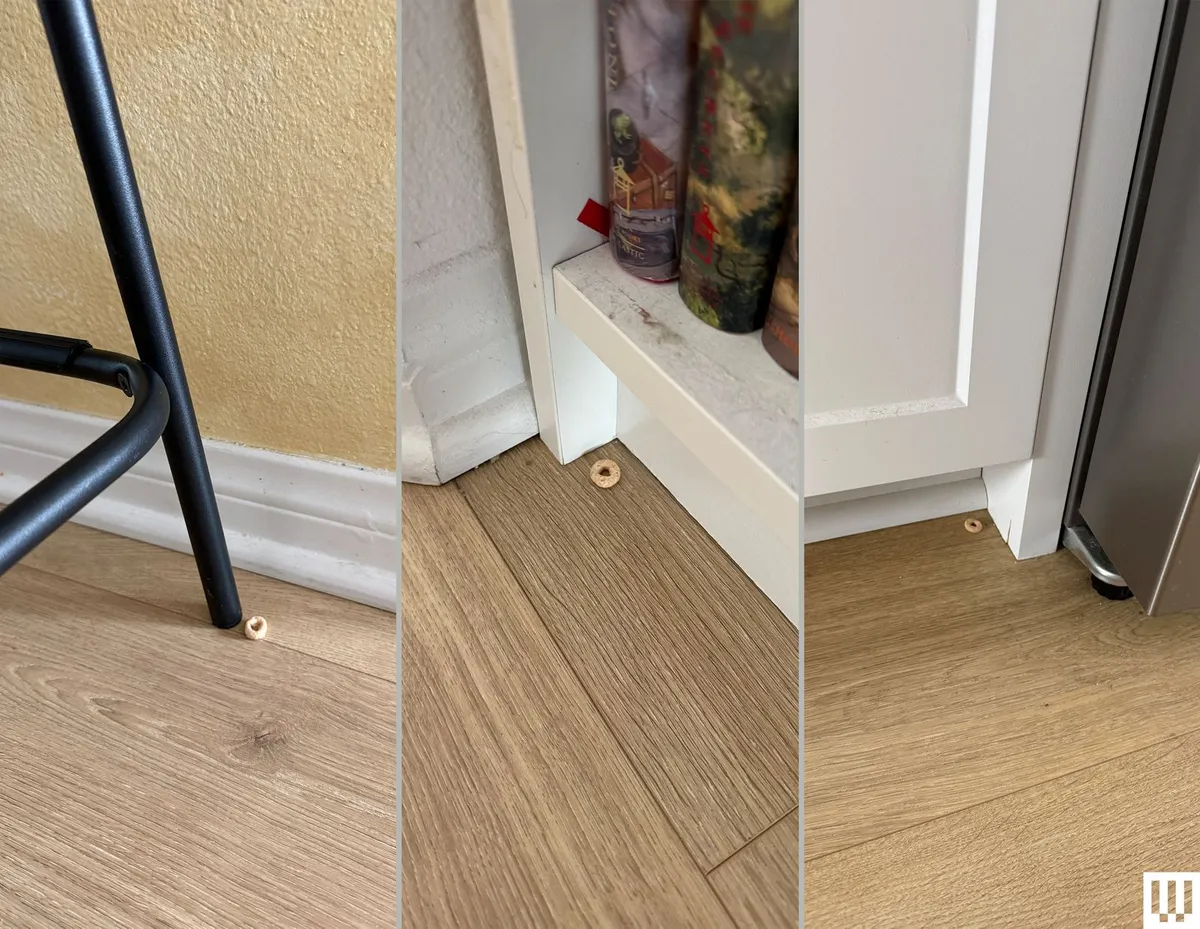
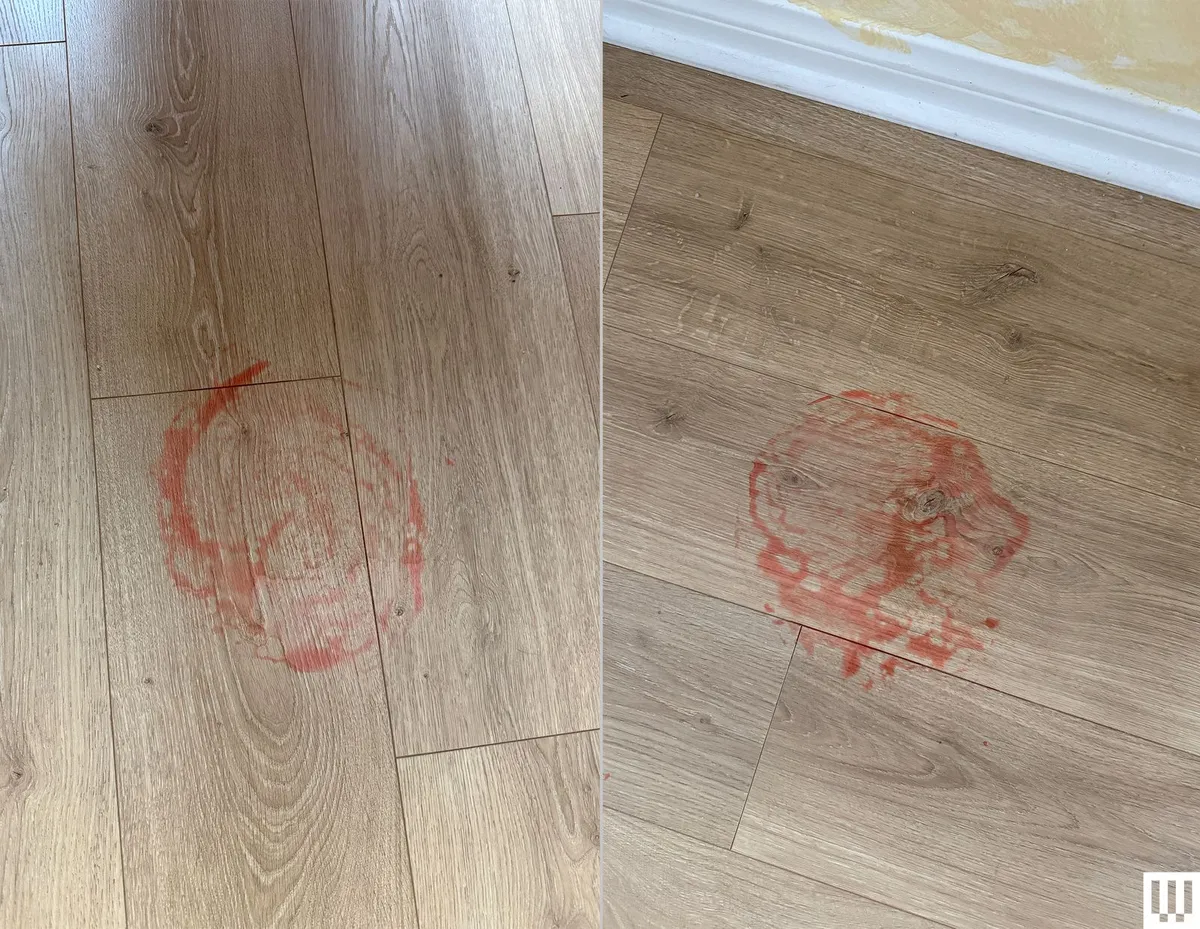
The testing covered real-world use cases: pet hair, crumbs, sticky floors, furniture navigation, and the general chaos that comes from actually living in a home rather than staging it for Instagram.
So what should you do with this information?
If you're in the market for a robot vac-mop and you have the budget for a premium option, this comparison is basically required reading before you hand over your credit card. The difference in AI smarts, cleaning performance, and overall useability between these two machines apparently isn't subtle.
Nobody wants to spend several hundred dollars on a robot that maps your home like it graduated last in its class. Read the full Wired breakdown before committing - your floors (and your wallet) will thank you.