
Self-driving cars are supposed to be smarter than human drivers - so it's a little unsettling to learn that Waymo's robotaxis have been cruising through flooded roads without a second thought. The company is now recalling its autonomous driving software after discovering the flaw, according to The Verge.
What happened
The recall affects 3,791 vehicles running Waymo's fifth and sixth generation autonomous driving systems. The core issue: the software wasn't properly accounting for flooded road conditions, meaning the cars could drive through standing water that would give any sensible human driver serious pause.

For context, driving through floodwater is genuinely dangerous - even shallow water can cause vehicles to lose traction, damage engines, or get swept off roads. It's exactly the kind of judgment call that autonomous driving systems need to get right.
Why this matters beyond Waymo
Recalls like this one are actually a sign that the safety oversight process is working. The National Highway Traffic Safety Administration (NHTSA) tracks these software issues the same way it would track a mechanical defect in a traditional car, which means autonomous vehicle companies are being held to real accountability standards - not just self-policing.
But it also highlights a persistent challenge for self-driving technology: reading the real world is hard. Rain, floods, unexpected road conditions - these are the messy, unpredictable situations that autonomous systems still struggle to handle as intuitively as an experienced driver might.
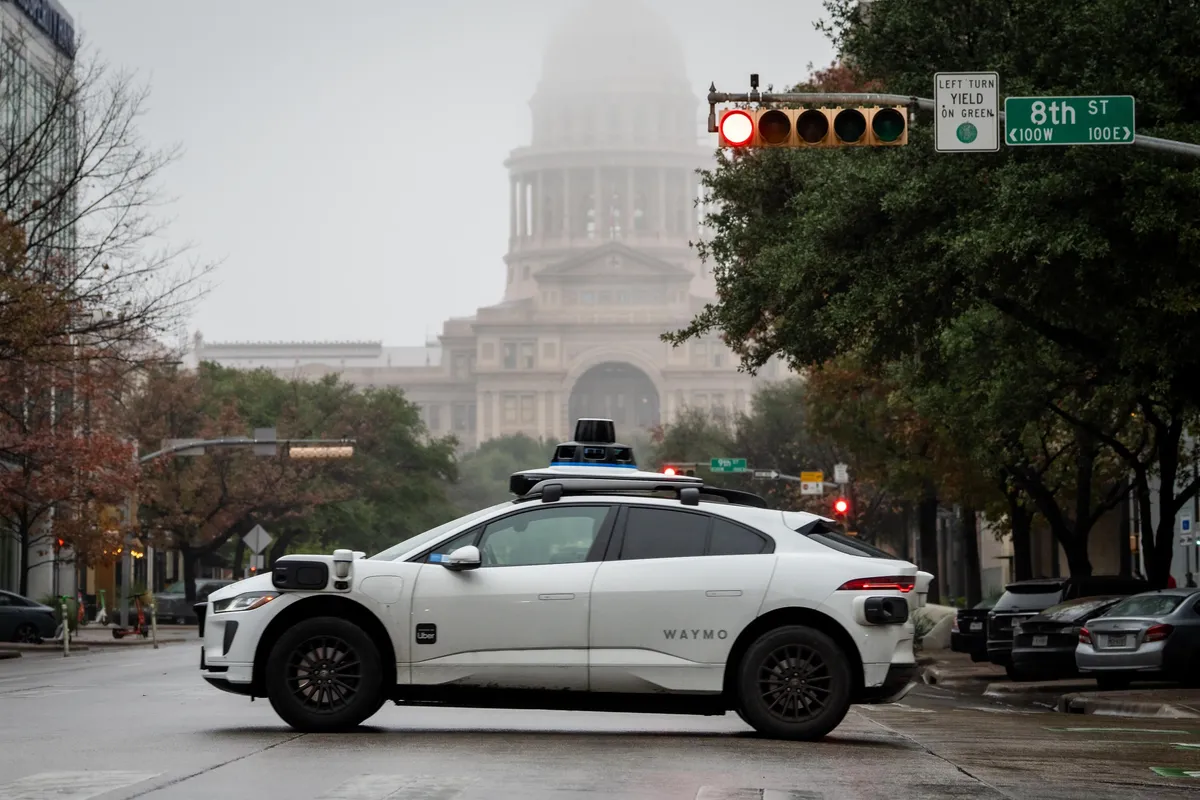
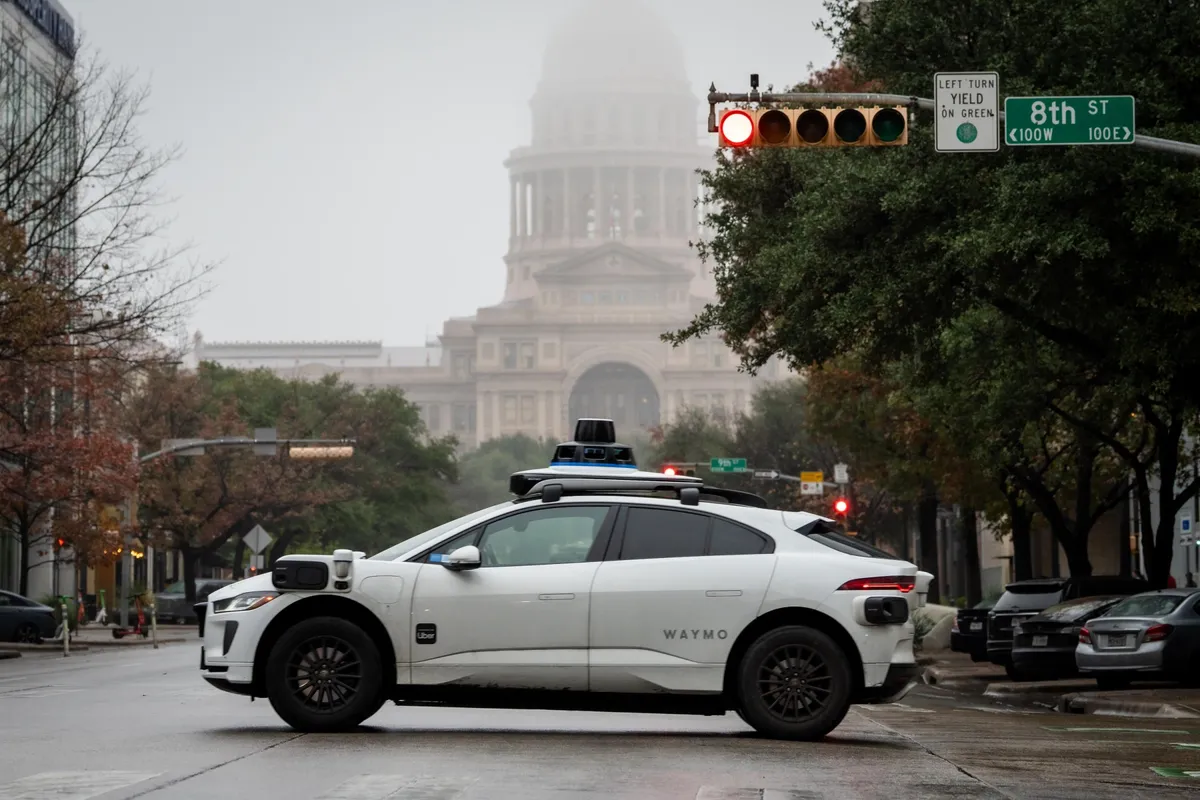
Waymo has been expanding its robotaxi service into new cities, including Austin, where one of its vehicles was photographed driving through rainy conditions near the Texas State Capitol just days before this recall was announced. That image now lands a bit differently.
What happens next
Software recalls are different from traditional car recalls - there's no trip to the dealership involved. Waymo can push an over-the-air update to fix the issue remotely, which is one of the genuine advantages of software-defined vehicles. The fix can be faster and less disruptive than a mechanical recall.
Still, for anyone keeping an eye on the rollout of autonomous vehicles in their city, this is a useful reminder that "self-driving" doesn't mean "perfect." The technology is improving, but it's still learning - and moments like this are part of how it gets better.