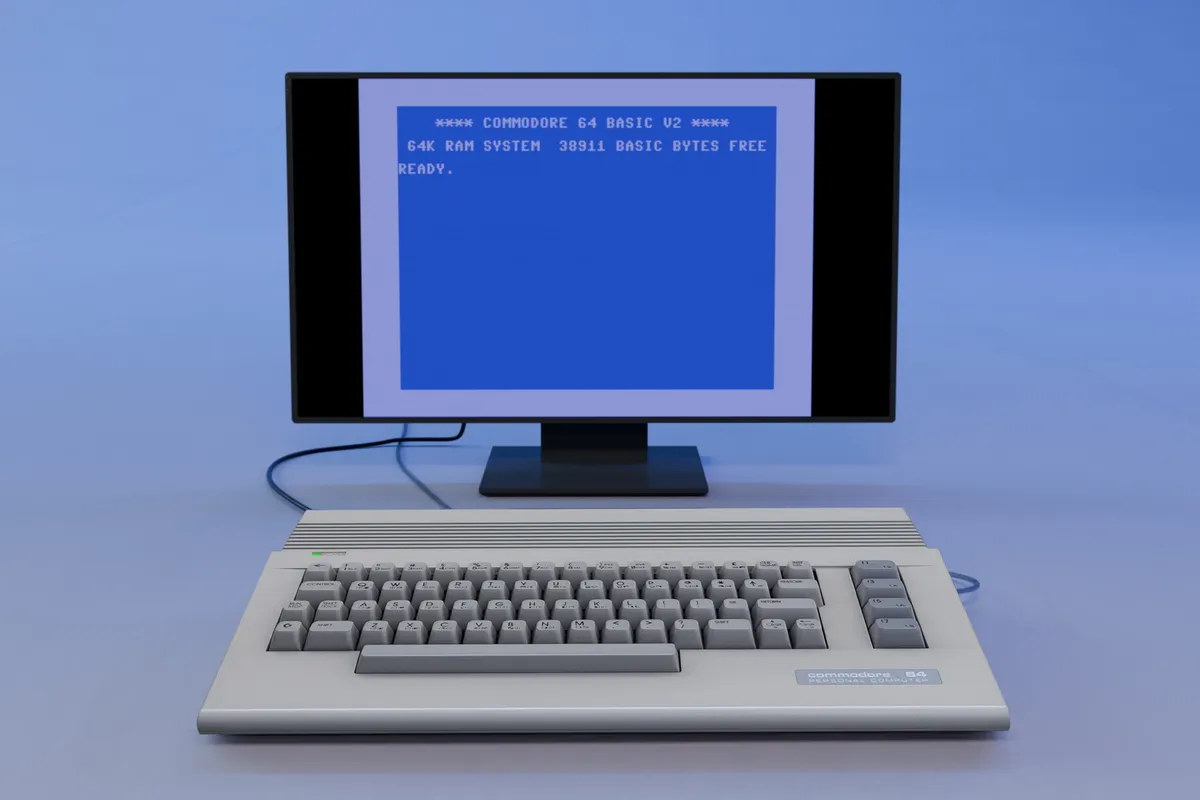
If you grew up in the '80s, the Commodore 64 probably holds a special place in your memory. And if you didn't, well - you're about to understand why so many people still talk about it like an old friend. According to The Verge, the creators of the C64 Ultimate are releasing a follow-up called the C64C Ultimate, and it's modeled after a chapter of computing history that even die-hard fans might find obscure.
A little history goes a long way
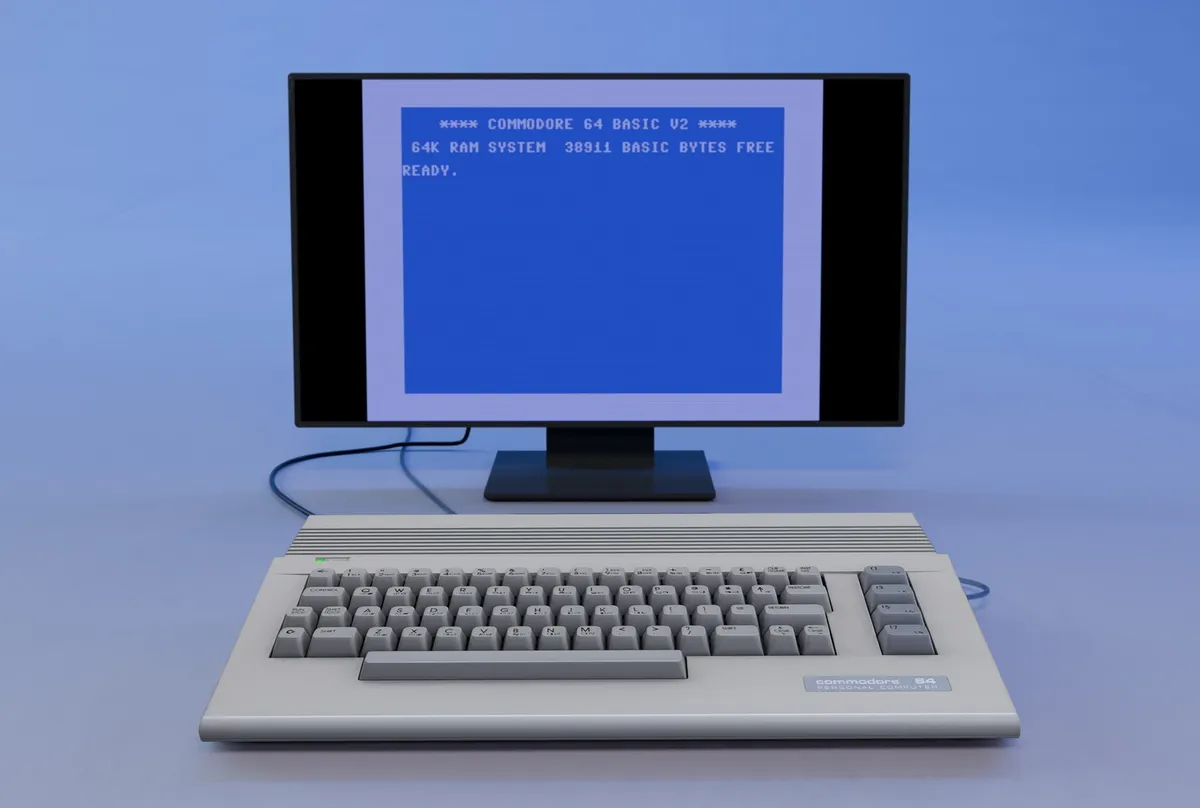
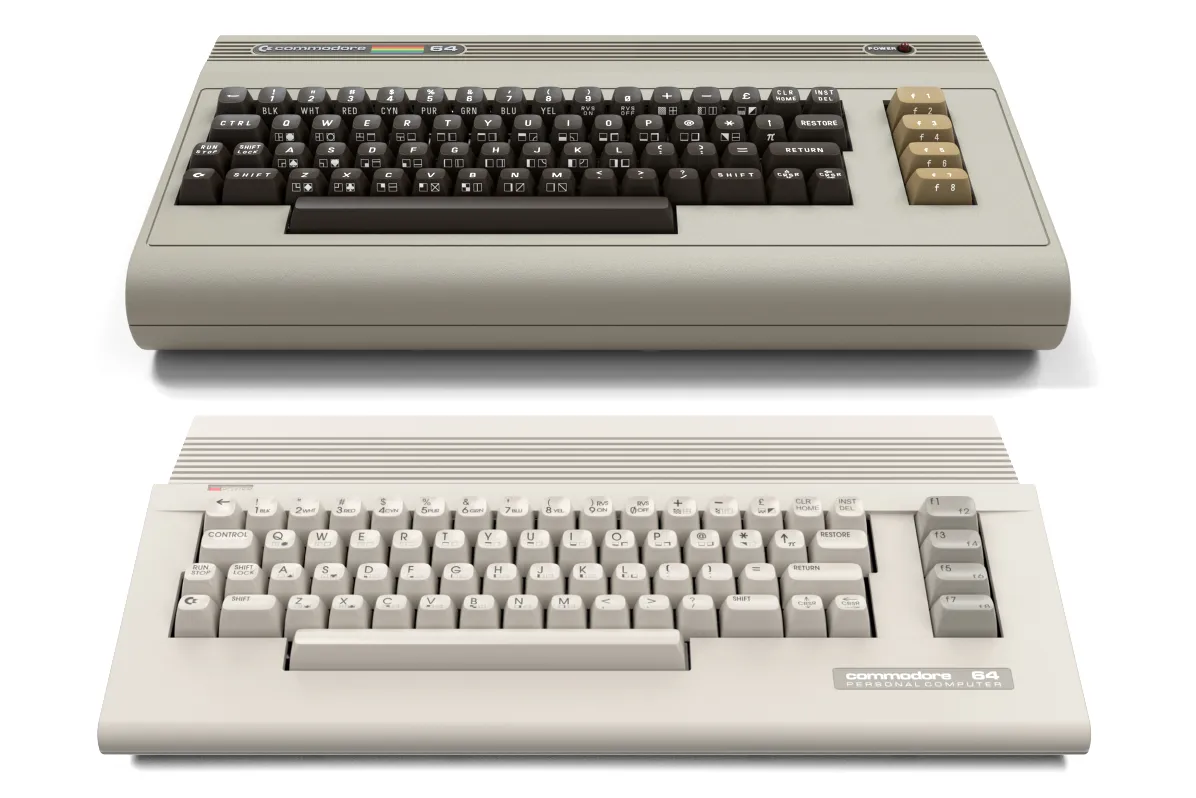
The original Commodore 64 launched in 1982 and quickly became one of the best-selling personal computers of all time. By 1986, Commodore released the 64C - a redesigned version with a slimmer, more modern-looking case that matched the aesthetic direction the company was heading. Under the hood, it was essentially the same machine. But that cleaner look? It clearly left an impression.

The new C64C Ultimate follows that same logic - keeping the authentic experience intact while wearing a fresh coat of nostalgia-friendly style.
Old soul, modern connections
What makes this more than just a collector's curiosity is the technology behind it. The C64C Ultimate uses an FPGA chip, which is designed to accurately replicate the behavior of the original hardware rather than simply emulating it in software. For retro computing enthusiasts, that distinction matters a lot - it means the experience is closer to sitting down at the real thing.
And then there's the very welcome addition of an HDMI port. Hunting down the right cables to connect a vintage computer to a modern TV is the kind of weekend project that sounds fun in theory and becomes a mild nightmare in practice. HDMI support sidesteps all of that, making it genuinely easy to plug in and play.
Why this matters beyond nostalgia
There's something quietly meaningful about the C64 making repeated comebacks. It speaks to how formative that era of computing was for an entire generation - people who learned to code, made their first games, or just spent hours typing in programs from magazine listings. The C64 Ultimate and its new sibling aren't just about reliving the past. They're about keeping a piece of computing culture alive in a way that's accessible rather than archival.
For anyone curious about where personal computing really began, this might be the most approachable entry point yet.