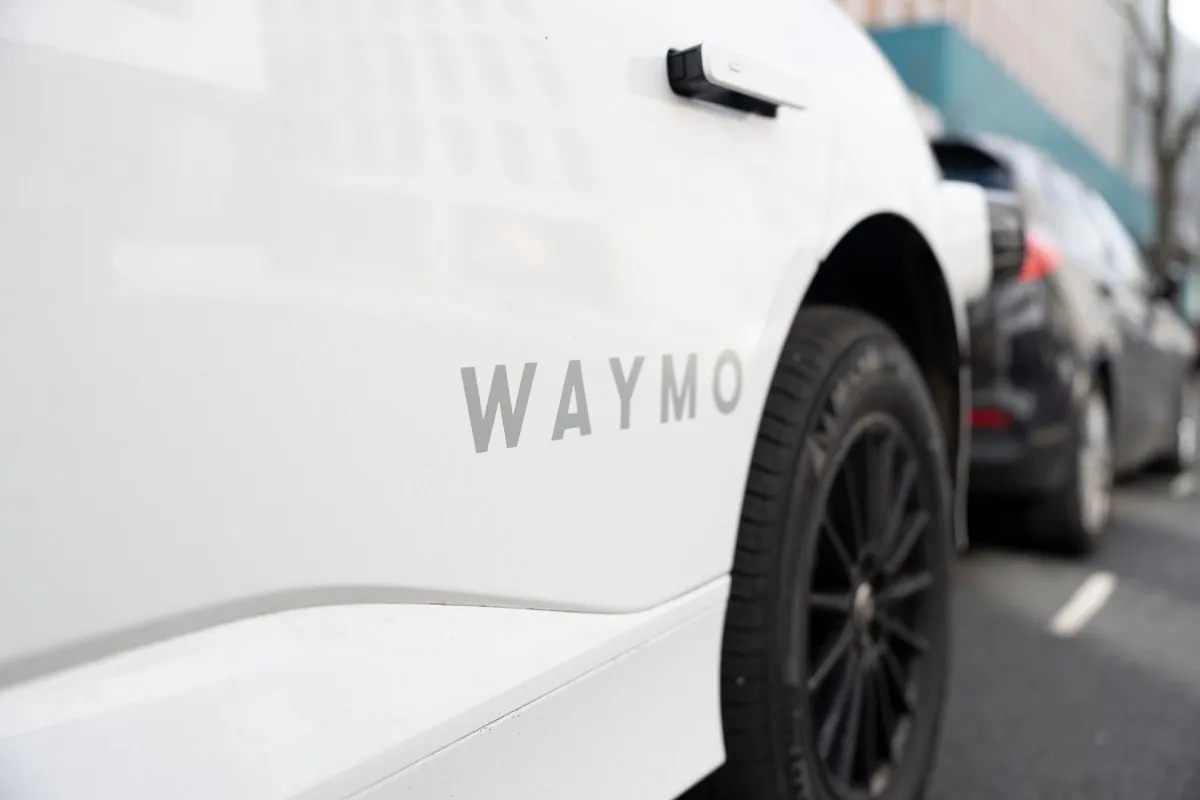
If you've spotted an unfamiliar vehicle crawling through London streets lately, there might be a good reason for it. Waymo, the autonomous vehicle company owned by Alphabet (Google's parent), has begun testing its self-driving technology in the UK capital - a significant step toward what could become London's first ever robotaxi service.
Why this matters
For years, robotaxis have felt like a very American story. Waymo has been running commercial driverless rides in cities like San Francisco and Phoenix, while most of the world watched from a distance. London joining that conversation is a genuine shift - and not just for tech enthusiasts.
Think about what a functioning robotaxi service could mean for a city like London. Reduced congestion, more accessible transport options for people who can't drive, and potentially lower costs compared to traditional taxis and rideshares. The implications ripple out well beyond the novelty factor.
What's actually happening right now
Waymo is currently in the testing phase, which means the vehicles are out gathering data - learning London's notoriously complex road network, its roundabouts, its cyclists weaving through traffic, and the general beautiful chaos of city driving. This is how autonomous vehicle companies build the detailed mapping and machine-learning foundations they need before any passenger ever climbs in.
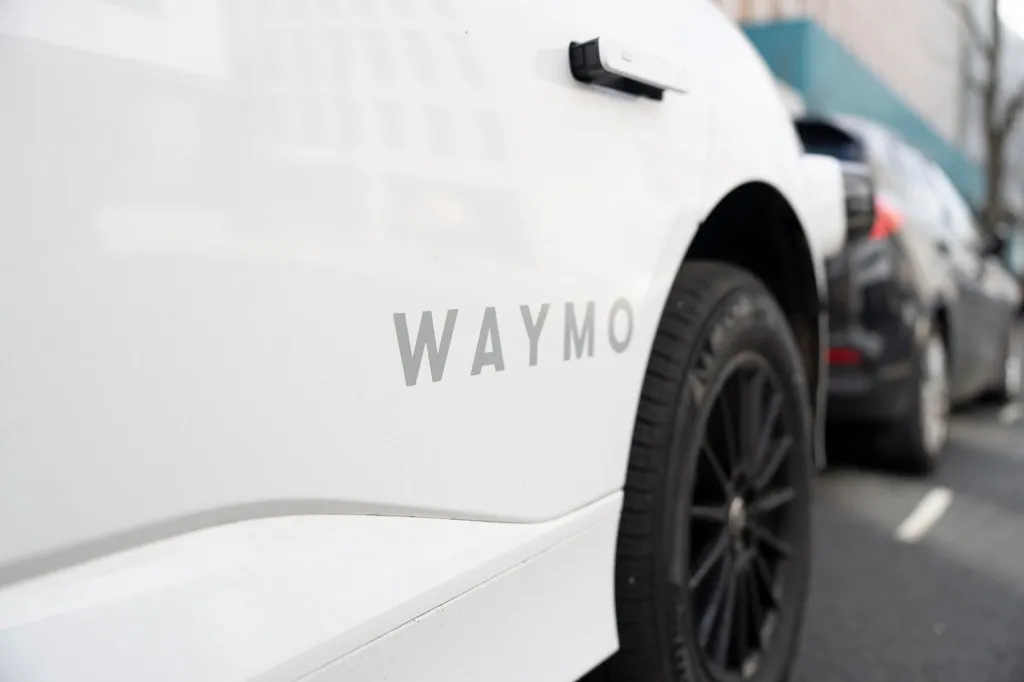
According to TechCrunch, a commercial service would only follow if the UK government gives the green light. That regulatory approval is far from guaranteed, and it's worth noting that the UK has been cautious - though not hostile - in its approach to autonomous vehicles on public roads.
The road ahead (pun intended)
Autonomous vehicles remain a genuinely contested space. Safety records, insurance frameworks, job displacement for professional drivers - these are real conversations that don't have easy answers. London's dense, unpredictable streets are also a much tougher test environment than the wide, grid-based roads where Waymo built its early reputation.
But the fact that testing is happening at all signals confidence - both from Waymo and, implicitly, from UK regulators who have allowed it to proceed. The company isn't known for half-measures; when Waymo enters a market, it tends to be thinking long-term.
For Londoners, there's nothing to do right now except perhaps keep an eye out for that oddly cautious car on your commute. But the next few years could look quite different - and the foundation for that future is quietly being laid on the streets outside your window.