
If you missed it between the usual flood of political news, the Trump administration quietly made a move that could reshape how millions of Americans access medical marijuana. And yes, it's worth paying attention to.
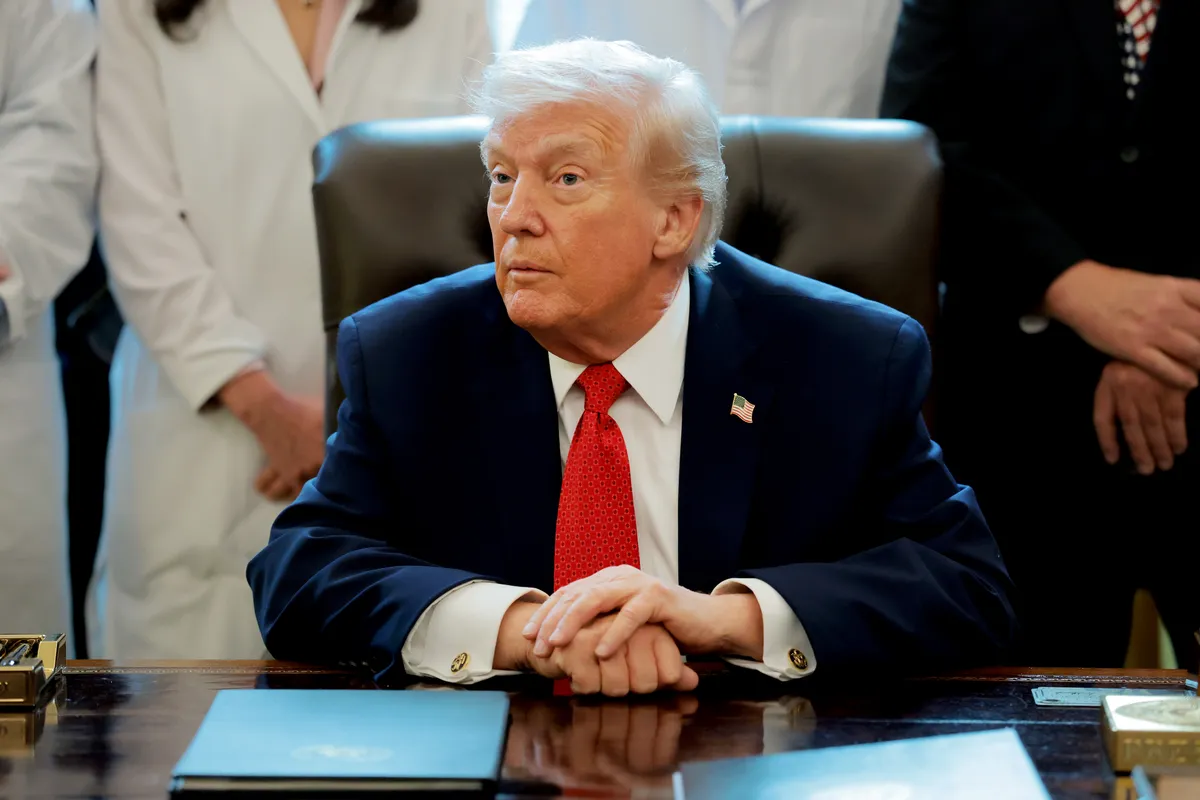
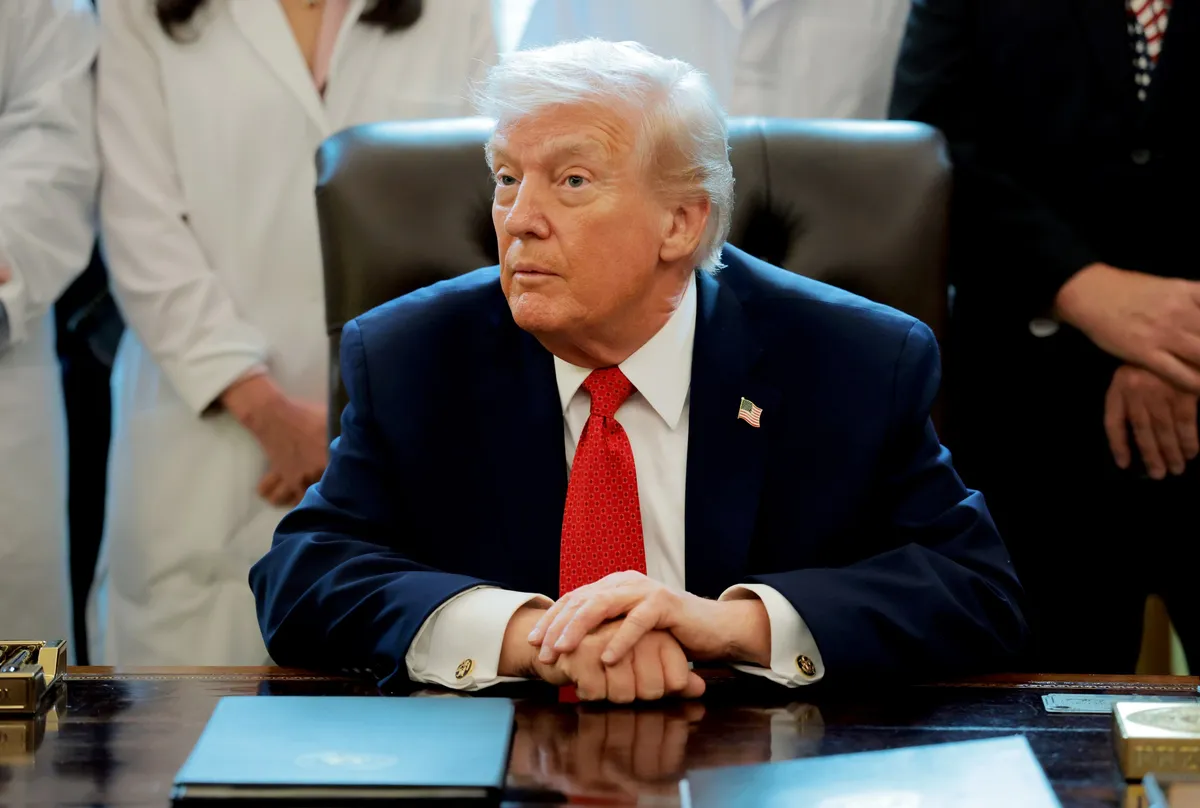
According to reporting from Vox, the Justice Department announced that state-licensed medical marijuana programs would face loosened federal restrictions - a significant shift in how the federal government treats cannabis. The announcement came after President Trump signed an executive order on marijuana rescheduling in the Oval Office on December 18, 2025.
Why rescheduling matters
For decades, marijuana has sat in a legal no-man's-land. It's been legal in various forms across many states, but federally classified in a way that created real headaches - for patients, for doctors, for businesses, and for researchers. Rescheduling is essentially the federal government acknowledging that cannabis doesn't belong in the same category it's been stuck in since the 1970s.
This isn't just bureaucratic housekeeping. It has real downstream effects - potentially making it easier for medical programs to operate, for patients to access treatment, and for scientists to study cannabis without jumping through extraordinary hoops.

The surprising source of the shift
What makes this particularly notable is who is doing it. The Trump administration isn't exactly who most cannabis advocates would have predicted to move the needle here. But policy surprises happen, and when they benefit people's health and personal freedom, they're worth acknowledging regardless of the political source.
It's also worth noting that this move aligns with something that actually has broad public support across party lines. Most Americans - conservative, liberal, and everything in between - support some form of marijuana legalization or at least medical access. In that sense, this is one of those rare moments where policy catches up to where the public already is.
What to watch next
The details of implementation will matter enormously. Loosening restrictions is one thing; how those changes play out for state programs, patients, and businesses is another conversation entirely. But as a first step, this signals a meaningful federal posture shift that advocates have been pushing for years.
If you or someone you know relies on medical marijuana, or if you're just someone who follows drug policy reform, this is a development worth keeping an eye on as more details emerge.