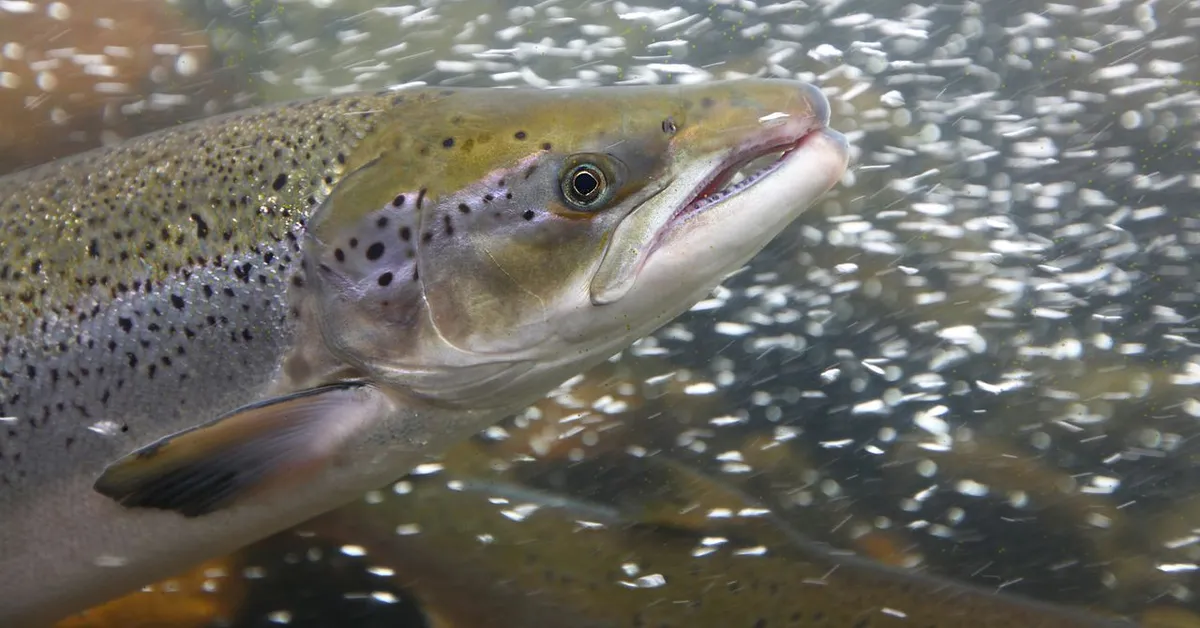
It sounds like the setup to a bizarre joke, but it's very real science: researchers have found that wild salmon exposed to cocaine swim significantly farther than their sober counterparts. Twice as far, in fact. And the implications go well beyond the fish themselves.
What actually happened here
Scientists exposed wild fish to both cocaine and a cocaine metabolite - essentially what the drug breaks down into after passing through the human body - and then tracked their movement. The results, reported by Wired, mirrored what researchers had previously seen in lab settings: fish on cocaine simply don't behave like normal fish. They become, for lack of a better word, overachievers.
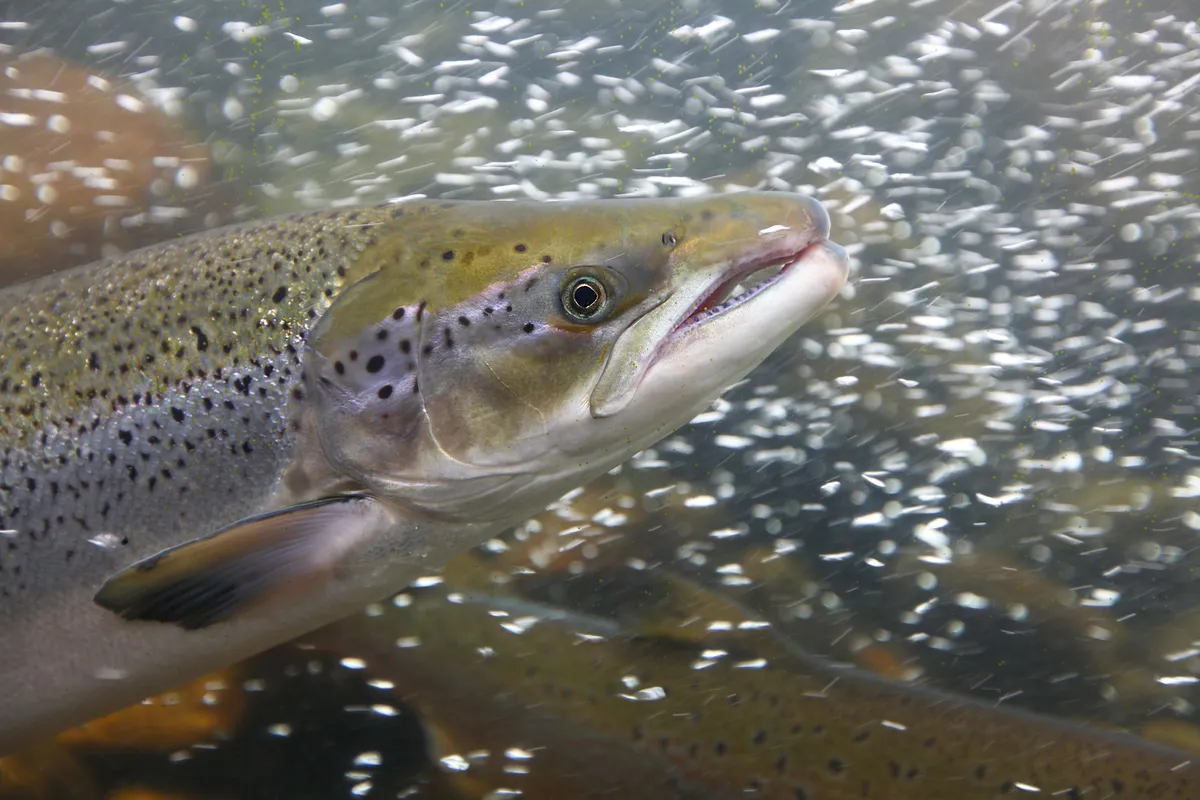
The salmon swam dramatically longer distances than unexposed fish, suggesting the stimulant had a measurable and significant effect on their physiology and behavior in the wild, not just in controlled tanks.
Why this matters beyond the obvious weirdness
The real story here isn't just that cocaine-addled salmon are out there doing laps. It's what this tells us about pharmaceutical and drug contamination in waterways. Human-consumed substances - everything from antidepressants to illicit drugs - regularly enter rivers and streams through wastewater systems that aren't designed to filter them out completely.
When those substances reach wildlife, they don't just pass through harmlessly. They can alter behavior, reproduction, migration patterns, and predator-prey dynamics in ways that ripple through entire ecosystems. A salmon that swims twice as far is burning more energy, potentially altering its survival odds, its spawning success, and its interactions with other species along the way.
The bigger picture
This study is part of a growing body of research into what scientists sometimes call "pharmaceutical pollution" - and it's a field that's becoming harder to ignore. We tend to think of pollution in terms of plastics or heavy metals, things we can see or measure in obvious ways. But the invisible chemical footprint of modern life is increasingly showing up in unexpected places, doing unexpected things.
Hyperactive salmon might sound almost funny at first. But it's a genuinely useful window into a much larger problem - one that connects human behavior, infrastructure gaps, and wildlife health in ways we're only beginning to understand. Next time you're near a river, maybe spare a thought for what's actually in there.