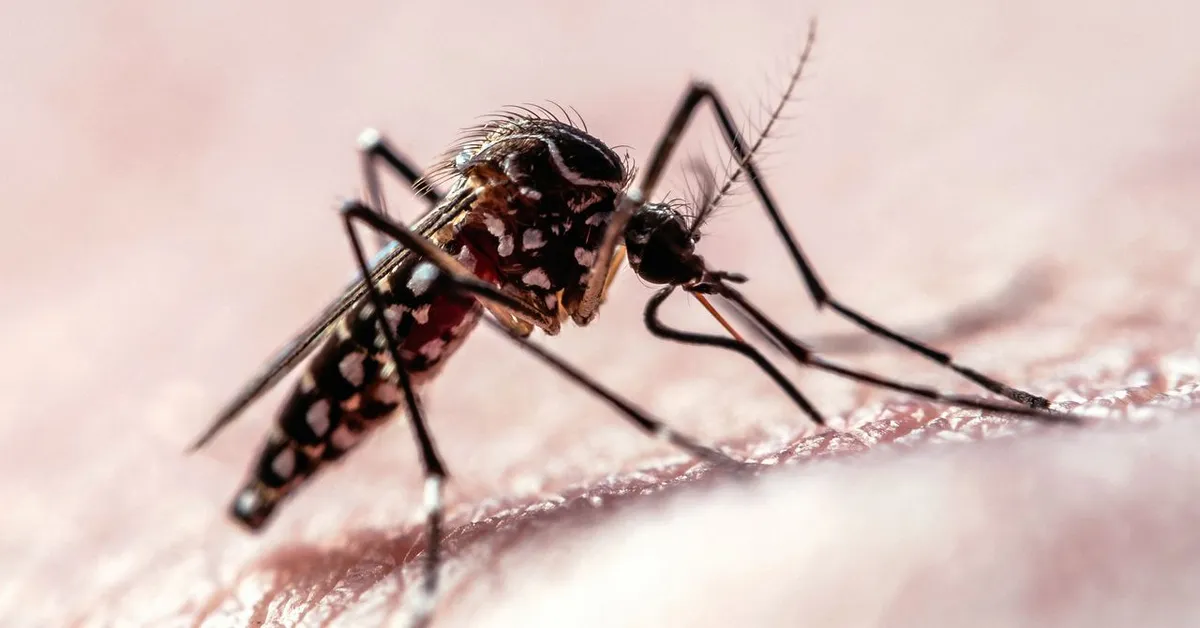
If you've ever wondered why mosquitoes seem to find you with eerie precision while leaving your friends completely alone, science is starting to catch up with your frustration. Researchers have now quantified exactly what draws mosquitoes toward humans - and the findings could lead to smarter, more effective traps that save lives on a massive scale.
A flight plan decoded
According to reporting by Wired, scientists have used detailed flight path data to break down the attraction process step by step. Rather than simply knowing that mosquitoes are drawn to certain cues like body heat, carbon dioxide, and skin odor, researchers can now see how these signals work together in sequence to guide a mosquito from a distance all the way to its target. Think of it less like a single alarm going off and more like a GPS rerouting at every turn.
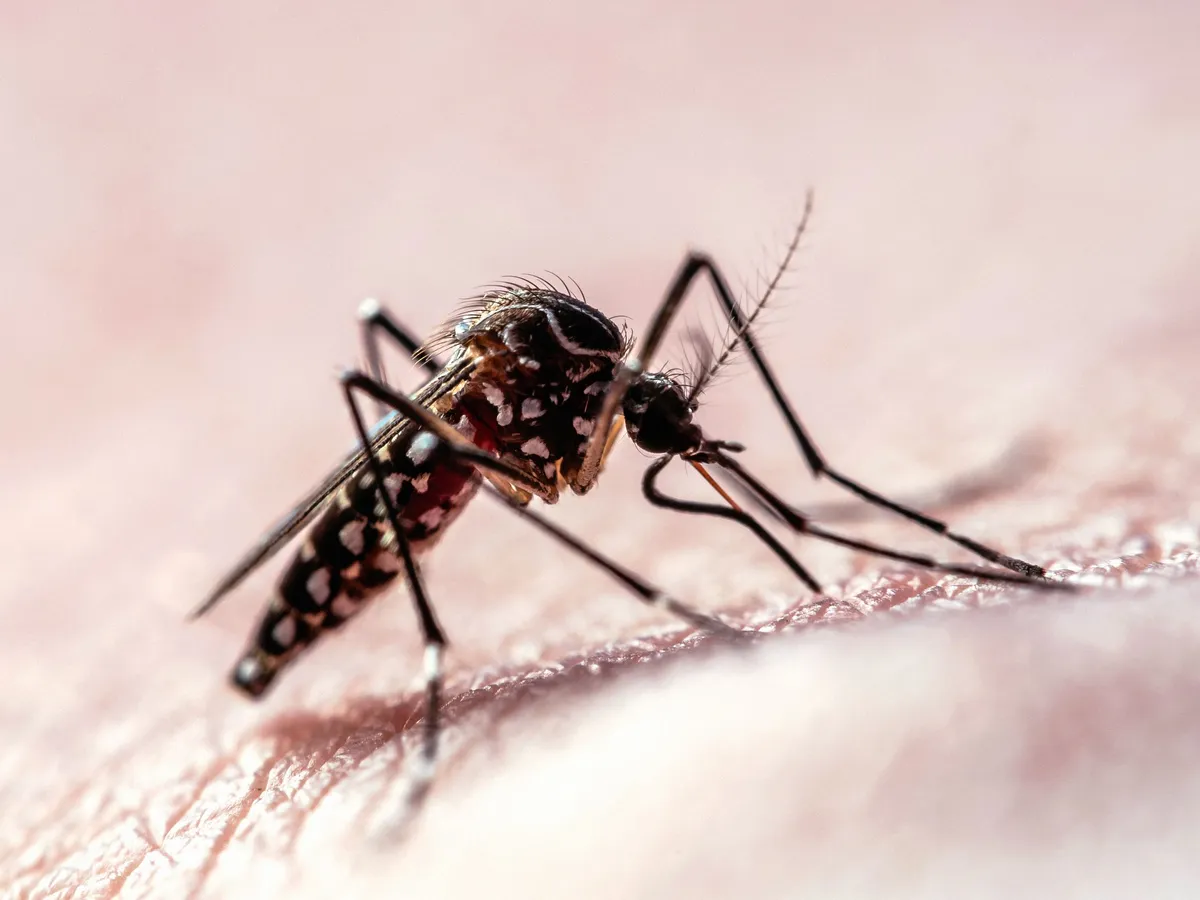
This level of detail matters because it shifts the understanding from "mosquitoes like humans" to "mosquitoes follow a very specific, trackable process to find humans." And once you understand a process, you can disrupt it.
Why this is bigger than just swatting season
It's easy to think of mosquitoes as a warm-weather annoyance, but the stakes here are genuinely enormous. Mosquitoes are among the deadliest animals on the planet, transmitting diseases like malaria, dengue fever, and Zika to hundreds of millions of people every year. Better traps - ones that can mimic the human signals mosquitoes are actually responding to, in the right order - could dramatically reduce transmission rates in vulnerable regions.
Current traps work, but they're imprecise. If researchers can use this flight data to engineer lures that replicate the full sequence of human cues, those traps become far more competitive with the real thing. That's the goal.
What it means closer to home
For those of us just trying to enjoy a backyard evening without becoming a meal, this research hints at a future where repellents and traps are designed with a much deeper understanding of mosquito behavior. Products built around this science could be meaningfully more effective than what's currently on shelves.
In the meantime, the usual advice still holds - long sleeves at dusk, DEET or picaridin-based repellents, and eliminating standing water near your home. But it's genuinely exciting to know that scientists are getting much closer to outsmarting one of nature's most persistent and dangerous pests. Sometimes understanding exactly how something hunts you is the first step to making sure it can't.