Who becomes America's surgeon general isn't just a political footnote - it's a decision that shapes the health guidance flowing into doctor's offices, schools, and news headlines across the country. And this week, that decision got a significant shake-up.
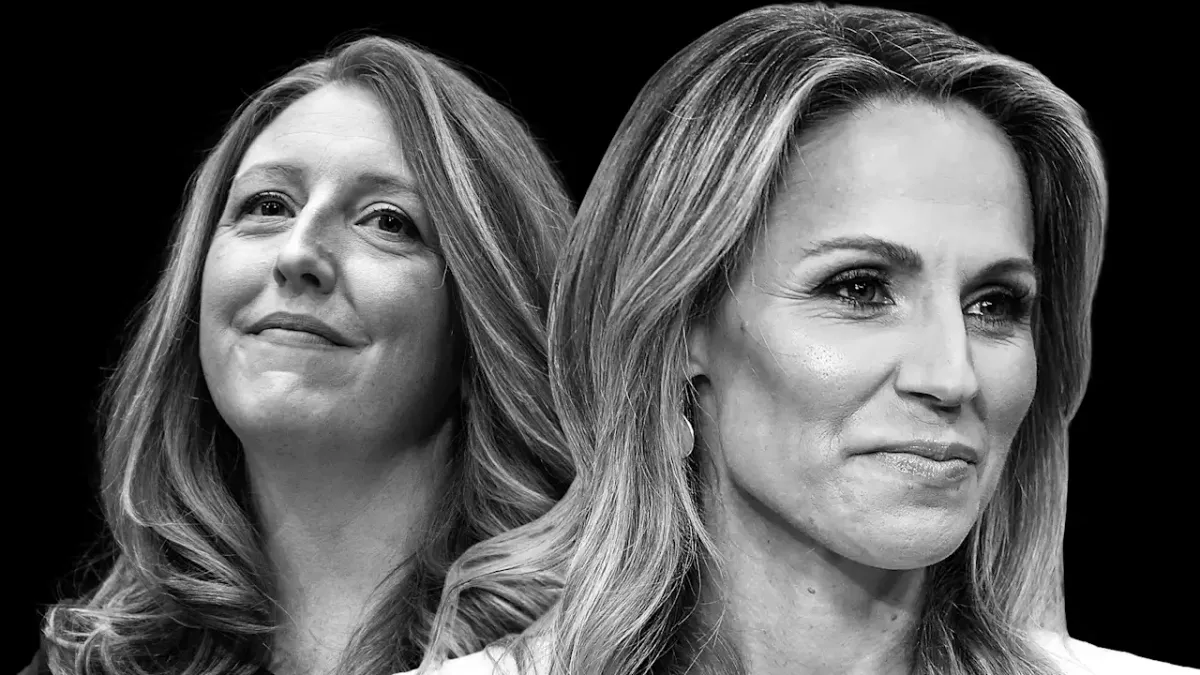
President Trump has replaced his original surgeon general nominee, Casey Means, with Dr. Nicole Saphier, a radiologist who specializes in breast cancer, according to reporting by Fast Company. The switch is a notable pivot that could signal a shift in the tone and direction of official public health communication.
Who's out, and why
Means, a close ally of Robert F. Kennedy Jr. and a prominent voice in the MAHA (Make America Healthy Again) movement, had been tapped for the role but quickly ran into turbulence. Questions surfaced about her track record on vaccines, her positions on children's health, and whether her qualifications were strong enough for one of the most visible medical roles in the country. For an influencer-adjacent figure whose platform is built largely on wellness messaging, the scrutiny proved difficult to shake.
Who's in
Dr. Saphier comes with a more conventional medical profile. As a radiologist focused on breast cancer, she brings clinical credentials and a specialty that sits firmly within mainstream medicine. She has also been a regular presence on Fox News as a medical commentator, which likely factored into her appeal to the administration.
Why this actually affects you
The surgeon general role might sound remote from everyday life, but it carries real influence. Think back to the landmark reports on smoking, or more recently, the advisories on mental health, alcohol, and loneliness. The surgeon general sets the tone for what the country collectively understands about health risks and priorities.
The contrast between Means and Saphier represents something bigger than a personnel swap. It reflects an ongoing tension between wellness culture - with its skepticism of mainstream medicine and pharmaceutical industry influence - and more traditional public health institutions. Depending on where you land on that spectrum, the change will read very differently.
For most people, though, the practical takeaway is simple: pay attention to who's shaping official health guidance, because those messages filter down into real recommendations about vaccines, screenings, diet, and more. The surgeon general's voice carries weight, whether or not we're actively listening.