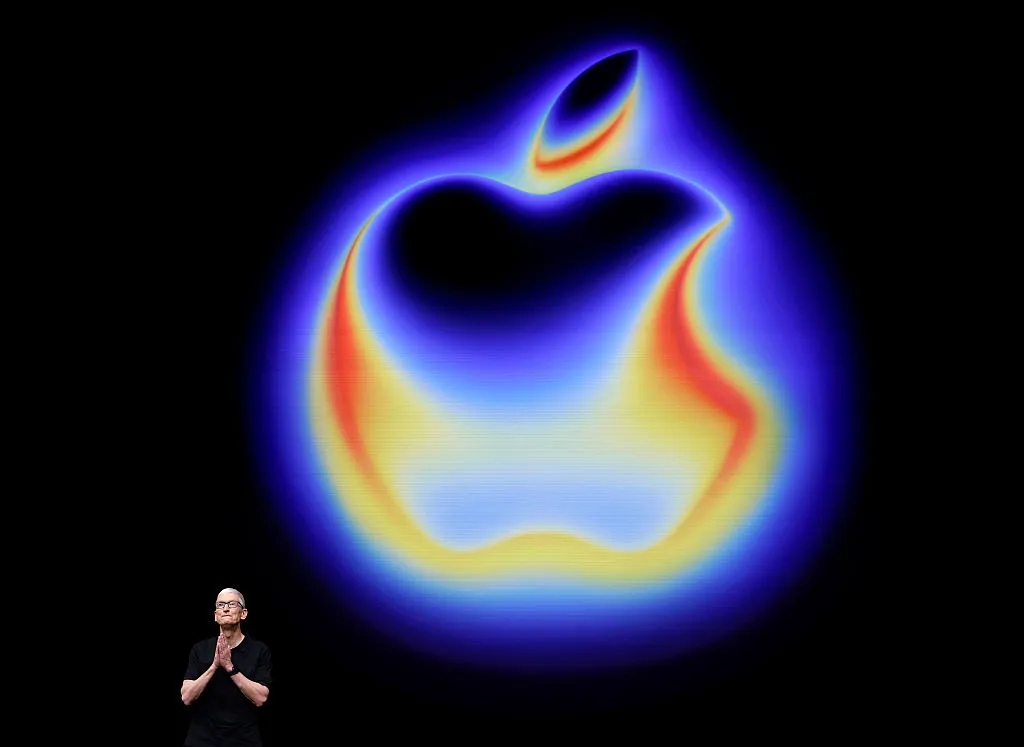
After more than a decade steering Apple through some of its most transformative years, Tim Cook is reportedly planning to step down as CEO in September. His likely successor? John Ternus, the executive who has overseen Apple's hardware engineering - the person behind some of the company's most celebrated product decisions in recent years.
It's a passing of the torch that feels both natural and genuinely significant. Cook took over from Steve Jobs in 2011 and, against plenty of skepticism, built Apple into one of the most valuable companies in history. He didn't just maintain Jobs' legacy - he expanded it into services, wearables, and a kind of ecosystem stickiness that keeps hundreds of millions of people firmly in Apple's orbit.

A different world than Cook inherited
But Ternus won't be walking into the same Apple that Cook spent decades shaping. The landscape has shifted in ways that matter. The App Store's famously controversial 30% commission cut - long a reliable profit engine - is facing mounting legal and regulatory pressure around the world. Developers and lawmakers alike have pushed back hard, and the outcome of those battles could meaningfully change how Apple makes money.
There's also the broader question of what Apple's role looks like in a post-smartphone world. The company has made big bets on spatial computing with the Vision Pro and is deep in the weeds of AI development, though it has been notably quieter than rivals like Google and Microsoft when it comes to splashy AI announcements.
What Ternus brings to the table
As the head of hardware engineering, Ternus has been close to the product decisions that arguably matter most to Apple's identity - the chip transitions, the design choices, the engineering bets that keep iPhones and Macs feeling premium. That background gives him real credibility inside the company and with consumers who care deeply about Apple's hardware reputation.
What's less clear is how he'll handle the messier strategic challenges: navigating antitrust scrutiny, competing in AI, and maintaining the services growth that Wall Street has come to expect.
Cook's tenure showed that Apple's CEO doesn't need to be a visionary product genius in the Jobs mold - operational excellence and strategic discipline matter enormously at this scale. The question now is whether Ternus can bring both hardware instinct and broader leadership to a company that, for all its durability, is heading into genuinely uncertain territory.
According to reporting from TechCrunch, the transition is expected this September. It's worth watching closely - not just for Apple fans, but for anyone paying attention to how the biggest names in tech navigate a world that keeps changing the rules on them.