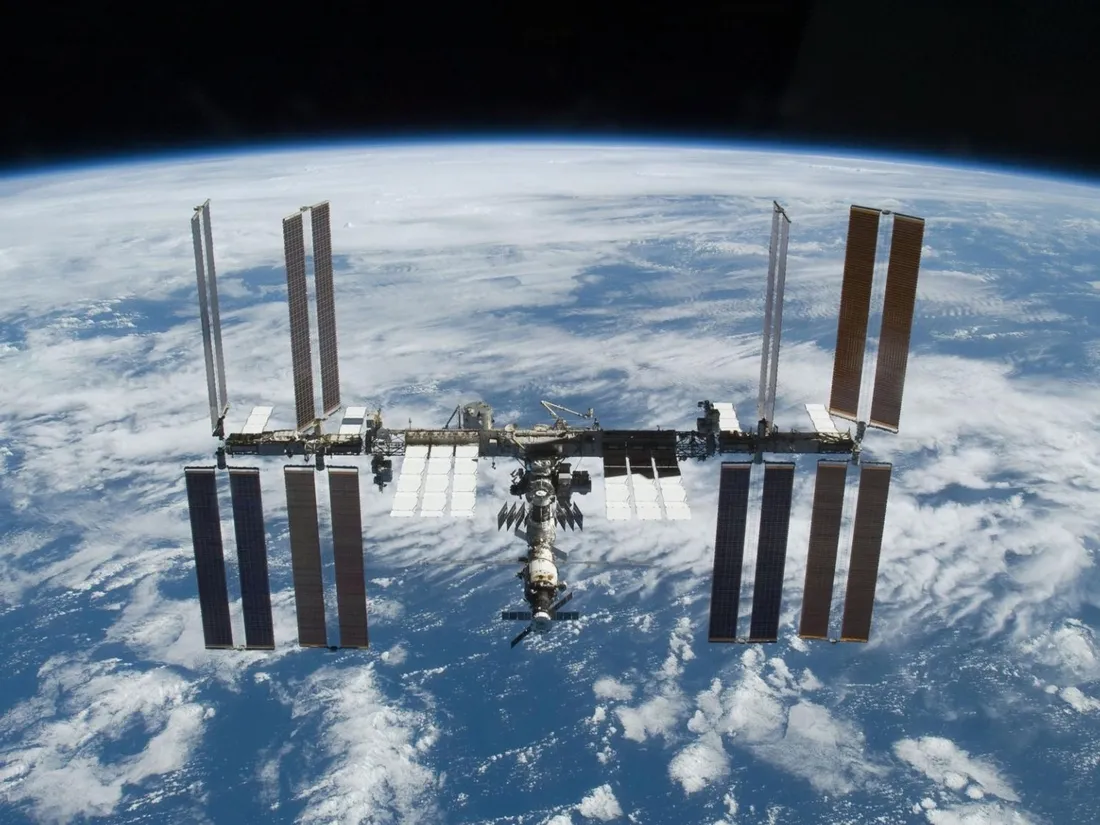
Even astronauts floating 400 kilometers above Earth apparently have to deal with aging hardware. NASA recently confirmed that the crew aboard the International Space Station is in the middle of a tech refresh, swapping out old machines for a new generation of custom-built laptops.
According to a statement shared with The Verge, NASA spokesperson Joshua Finch confirmed the upgrade: the ISS Program has selected the HP ZBook Fury G9 Mobile Workstation as the station's next go-to machine. It's not just a regular off-the-shelf laptop with a NASA sticker slapped on it - HP built a custom version specifically for the demands of life in space.

Why space laptops are a different beast
Think about everything a laptop has to withstand up there. Microgravity, extreme temperature swings, radiation exposure, and the general chaos of a working space station. Consumer hardware simply isn't built for any of that. The custom ZBook Fury G9 is engineered to handle conditions that would fry or freeze a standard machine in no time.
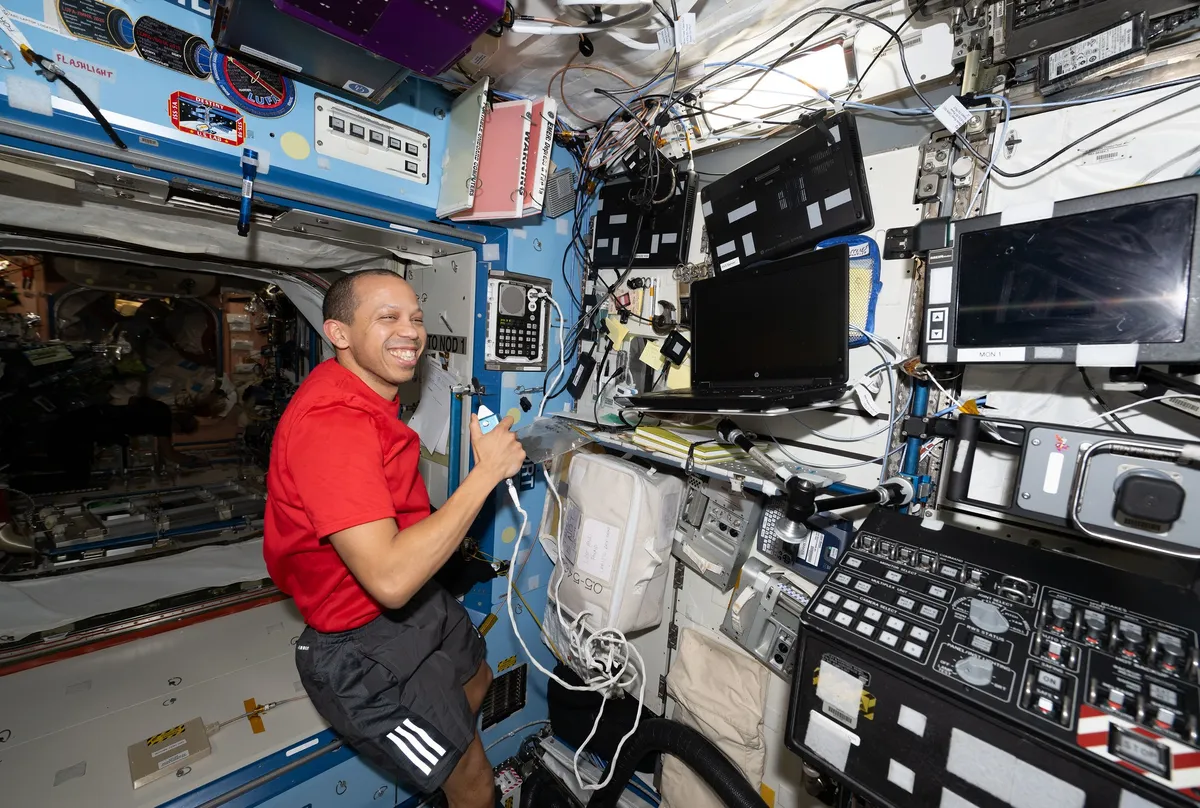
There's also the human factor. Astronauts rely on these computers for mission-critical tasks - running experiments, communicating with ground control, monitoring station systems. A laggy or unreliable laptop isn't just annoying up there; it could genuinely matter. A solid tech foundation is part of what keeps the whole operation running smoothly.
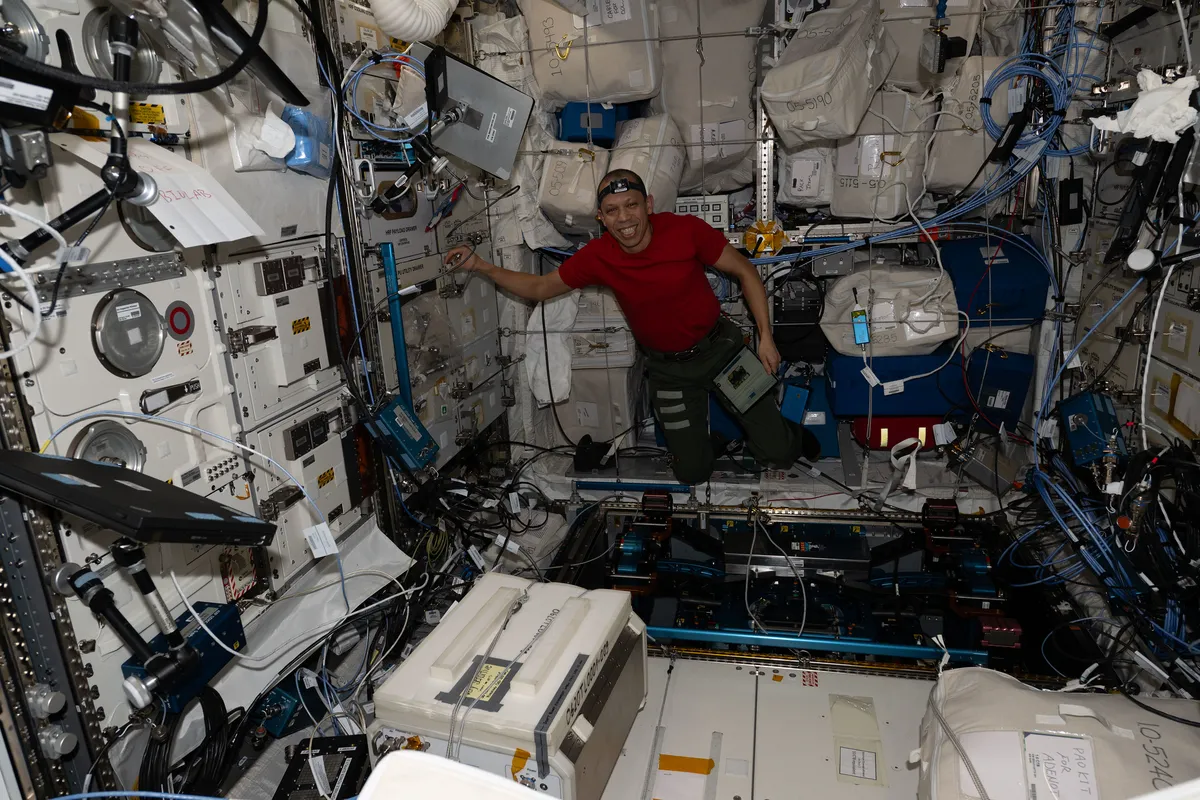
A reminder that even space has IT problems
There's something quietly relatable about this story. The ISS has been continuously inhabited since the year 2000, and like any long-running operation, it needs regular upgrades to stay functional and current. The Expedition 74 crew dealing with a hardware refresh isn't so different from your office rolling out new machines - just with significantly higher stakes and a much more complicated supply chain.
The HP ZBook line is already known as a heavy-duty workhorse for demanding professional environments, so it's not a surprising pick. But knowing a version of it is now orbiting Earth, being used by astronauts to support cutting-edge research, gives the whole product line a pretty impressive footnote.
It's a small story in the grand scheme of space exploration, but it's a good reminder of just how much behind-the-scenes infrastructure keeps the ISS running - and how even the most extraordinary workplace in human history still needs someone to handle the IT upgrades.