For a long time, Uber's whole pitch was built on owning as little as possible. No cars, no drivers on payroll, no messy physical infrastructure. Just a sleek app connecting people who needed rides with people willing to give them. Lean, efficient, and famously asset-light.
That playbook appears to be changing - and changing fast.
What 'assetmaxxing' actually means for Uber
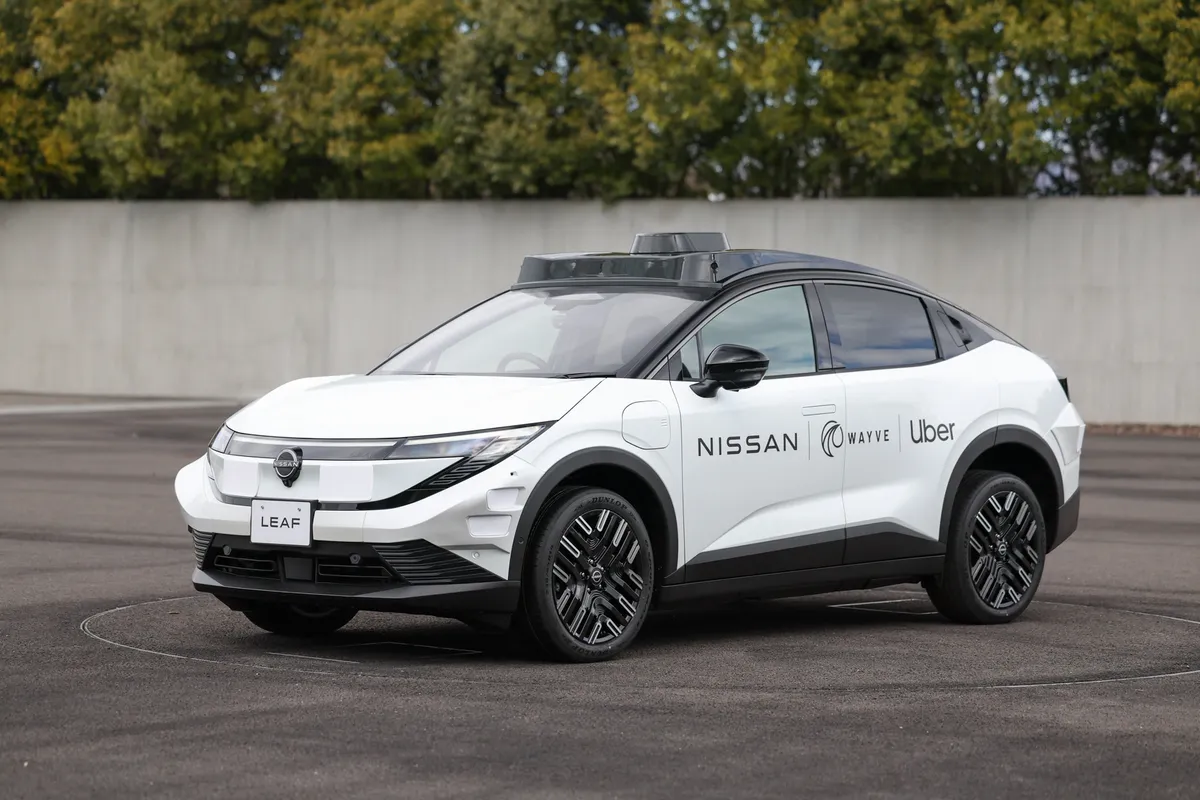
According to reporting from TechCrunch Mobility, Uber is entering what analysts are calling its 'assetmaxxing era' - a deliberate shift toward taking on more physical and technological assets rather than staying hands-off. Think less marketplace middleman, more vertically integrated transportation company.
It's a striking pivot for a business that built its entire identity around not owning things. But there's a logic to it, especially as the competitive landscape for mobility gets more complex and capital-intensive.

AI is the engine behind the shift
You can't talk about this transition without talking about artificial intelligence. TechCrunch Mobility, which covers the future of transportation and increasingly how AI fits into that picture, frames AI as central to Uber's evolving strategy. The ability to deploy smarter routing, predictive demand modeling, and autonomous vehicle integrations changes the math on what's worth owning and operating directly.
When AI can squeeze dramatically more efficiency out of physical infrastructure, holding assets starts making a lot more sense. The overhead that made asset ownership unattractive in the early Uber days looks different when software can optimize it at scale.

Why this matters beyond the business headlines
For everyday users, this shift could actually be a good thing. An Uber that owns more of its stack has more control over the quality, reliability, and consistency of what you experience - whether that's a standard ride, a delivery, or whatever new services emerge as the company broadens its footprint.
It also signals something bigger happening across the tech industry. The era of pure platform plays - where companies print money by connecting buyers and sellers without touching the messy physical stuff - is giving way to something more hands-on. Companies are realizing that durable competitive advantages often require owning the things that are hard to replicate.
Uber's move into its assetmaxxing era is one of the cleaner examples of that trend playing out in real time. Whether it pays off is another question entirely - but it's worth watching closely.