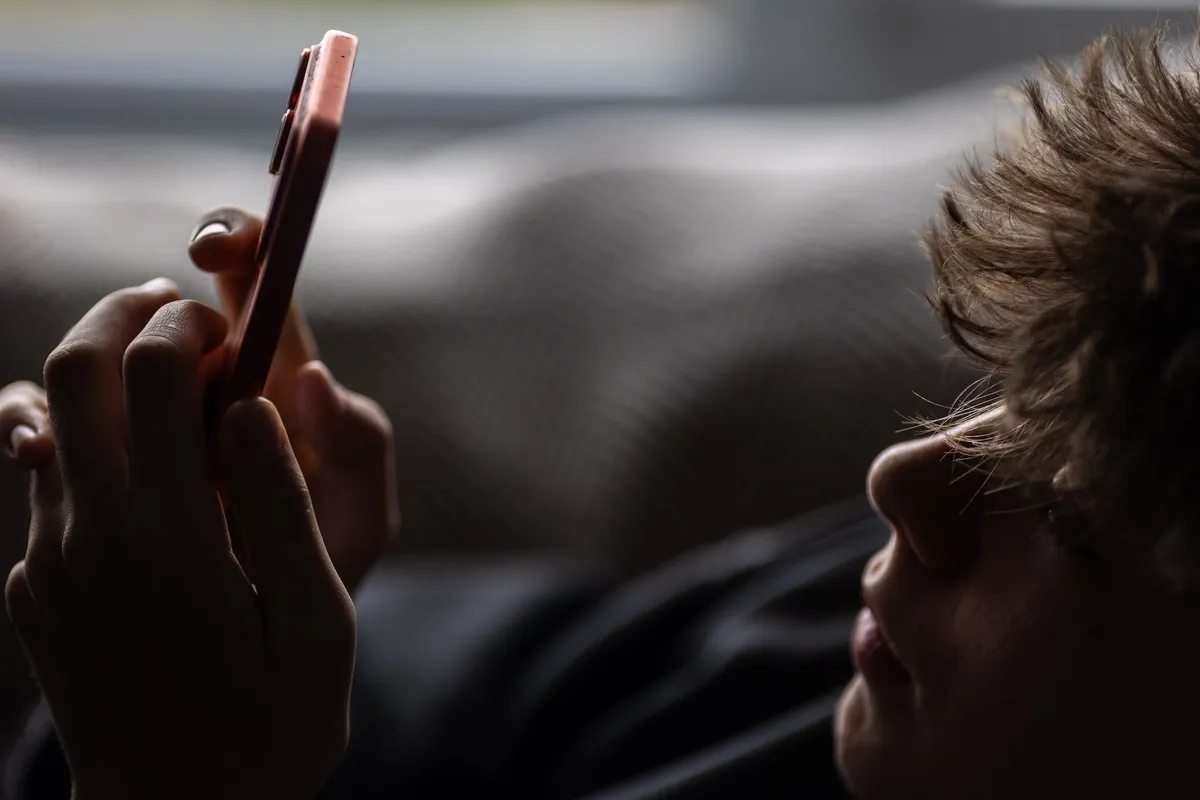
If you've ever watched a teenager get sucked into their phone at 11pm and wondered how they're ever going to sleep, new survey data has some answers - and they're not exactly surprising, but they are worth paying attention to.
According to a survey highlighted by Mashable, TikTok has earned itself the dubious title of most sleep-disrupting app for teens. Not Instagram. Not Snapchat. TikTok, with its endless, frictionless scroll of short videos, is the biggest culprit when it comes to teenagers losing sleep.
Why TikTok specifically?
This probably won't shock anyone who has spent five minutes on the app. TikTok's entire design philosophy is built around keeping you watching just one more video. The algorithm is remarkably good at figuring out what you want to see, and the short-form format means there's never a natural stopping point. One video ends and another begins before your brain has even registered that the first one is over.
For adults, this is already a challenge. For teenagers - whose brains are still developing and who are far more susceptible to the dopamine loop these platforms are designed to trigger - it's a different level of problem entirely.
Sleep loss is the real issue here
It might be tempting to dismiss this as a typical "kids and their phones" panic, but sleep deprivation in teens is genuinely serious territory. Poor sleep in adolescence is linked to lower academic performance, mood instability, weakened immune function, and longer-term mental health challenges. When a platform is specifically identified as the worst offender for disrupting sleep cycles, that's worth taking seriously.
The survey findings also serve as a useful reminder that not all social media apps are created equal when it comes to their impact. While Instagram and Snapchat certainly have their own issues, TikTok's autoplay, algorithm-driven format makes it particularly hard to put down - even when you're exhausted.
What can actually help?
The boring-but-true answer is old-fashioned boundaries. Phones out of the bedroom at night, screen time limits built into device settings, and honest conversations about why sleep actually matters are all tools that research consistently backs up. Some families are also experimenting with app-level restrictions that kick in after a certain hour.
None of this is easy, especially when teens are navigating serious social pressure to stay connected. But understanding which apps are doing the most damage is at least a useful starting point for having those conversations without it turning into a lecture about "back in my day."
The full survey details are available via Mashable, and they make for a pretty eye-opening read - ideally not at midnight on your phone.