Here's a fun thought experiment: when was the last time an object you owned made you feel more human? Not more productive, not more connected, not more optimized - just more you, the squishy, breathing, warm-blooded mammal kind.
If you're drawing a blank, WINT design lab would like a word.
The anti-gadget gadget studio
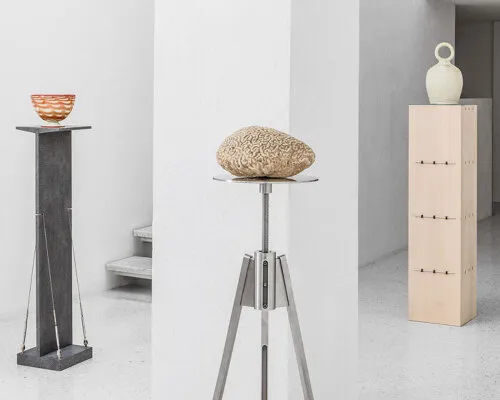
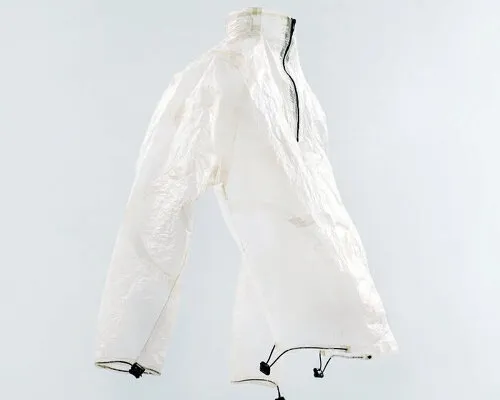
WINT is doing something that feels almost radical in 2024: designing objects that actively pull people back toward their own bodies. Away from screens. Away from synthetic feedback loops. Away from materials that have zero biological relationship with the person using them.
Think about how much of your daily tactile experience is plastic, glass, and aluminum - surfaces engineered for durability and manufacturing efficiency, not for any meaningful conversation with your nervous system. WINT is essentially asking: what if the stuff around you actually remembered you were alive?
Regenerative, not just sustainable
The studio's focus on "regenerative futures" is the part worth paying attention to. Sustainability, at this point, basically means "doing slightly less damage." Regenerative design is a different beast entirely - it's about creating things that restore relationships, including the very personal one between a human and their own physical existence.
In a world where haptic feedback from a phone has become most people's primary tactile conversation of the day, that's a genuinely interesting design problem to tackle. Your phone buzzes. Your body responds. Somewhere in there, the actual you - with a heartbeat and skin and a whole evolutionary history of touching things - got skipped over entirely.
Why this actually matters
This isn't just aesthetic philosophy or a vibe shift for design nerds (though, respectfully, it is also that). There's a growing body of thinking around how disconnection from physical, embodied experience feeds into anxiety, dissociation, and the general sense that modern life feels like watching yourself on a screen.
WINT's work, as reported by Designboom, positions design as one possible antidote - not through wellness theater or expensive crystals, but through objects that carry a genuine biological logic. Materials that have some relationship to living systems. Forms that invite touch rather than just tolerate it.
It's a small correction, maybe. But in a world that keeps building more frictionless, more synthetic, more glass-and-algorithm everything, a studio asking "what does a human actually need to feel like a human" feels less like a niche design exercise and more like a fairly urgent question.
Now if you'll excuse me, I need to go touch some grass. Apparently that's still an option.