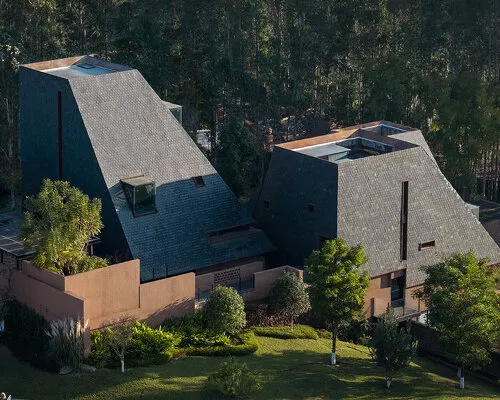
Somewhere in a red-earth valley in China, a cluster of buildings is hiding in plain sight - and honestly, it's one of the most quietly stunning things to come out of the architecture world in a while.
Design studio line+ has pulled off something that feels almost unfair: a collection of sculptural roofed volumes that blend so seamlessly into the surrounding terrain that you'd be forgiven for thinking the landscape just decided to grow walls one day. As reported by Designboom, the project uses red-toned walls and locally sourced volcanic stone to allow the structures to genuinely settle into the valley floor - not as a gimmick, but as a full design philosophy.
Why this actually matters
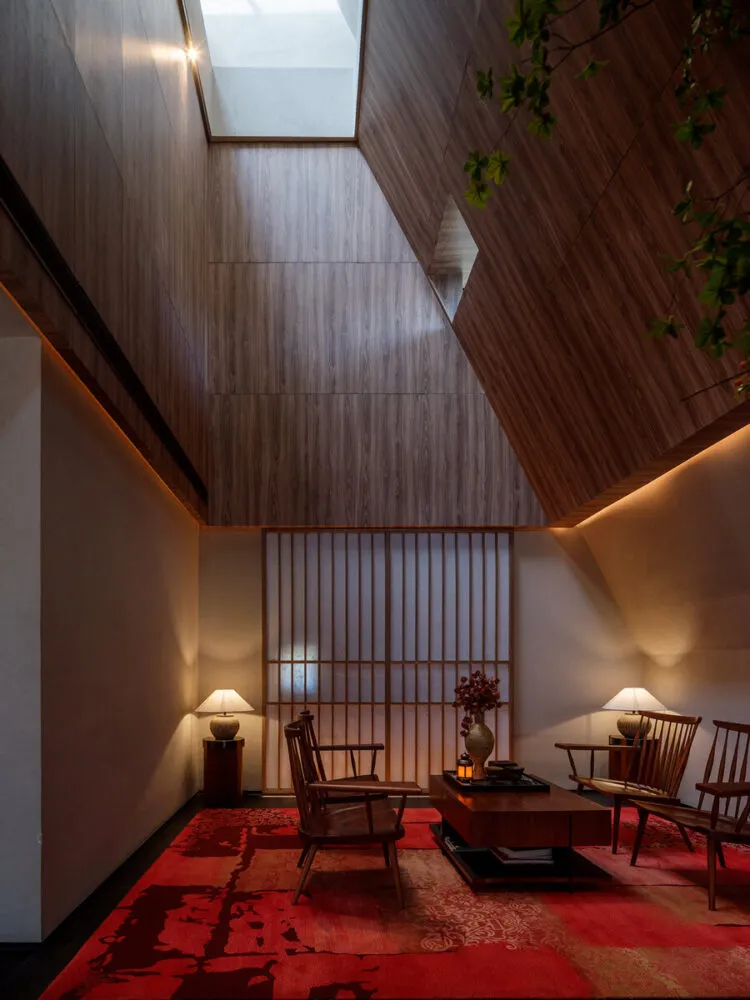
We live in an era where most ambitious architecture screams for attention - glass towers, impossible cantilevers, buildings shaped like crumpled paper bags. Line+ went the opposite direction entirely. These volumes earn their drama through restraint, pulling colour and material directly from the ground beneath them.
The volcanic stone detail is particularly nerdy-cool. Sourcing materials locally isn't just an eco-flex (though it is that too). It means the buildings carry the geological memory of the place they sit in. Over time, as the materials weather and age, the structures will only become more embedded in the landscape. It's architecture that's literally designed to belong somewhere specific - a concept that sounds obvious until you realise how rarely anyone actually commits to it.
Sculptural but not showy
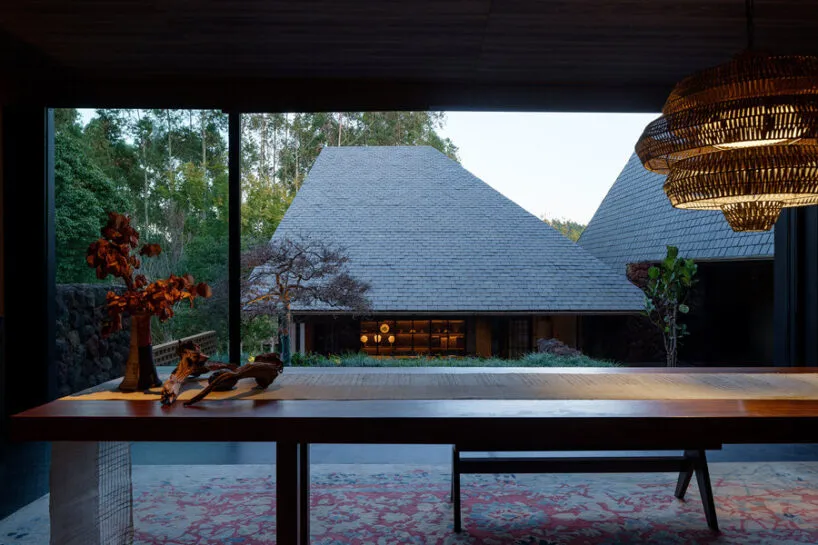
The roofed volumes themselves hit a sweet spot between brutalist confidence and organic softness. The cluster arrangement means the project reads almost like a small settlement rather than a single statement building - which is clever, because it distributes visual weight across the site and creates spaces between buildings that feel genuinely inhabited rather than just photographed.
There's something almost geological about the whole thing. The kind of place that looks like it's always been there, which is either a massive compliment to the architects or a very expensive way of being invisible. Probably both.
The takeaway
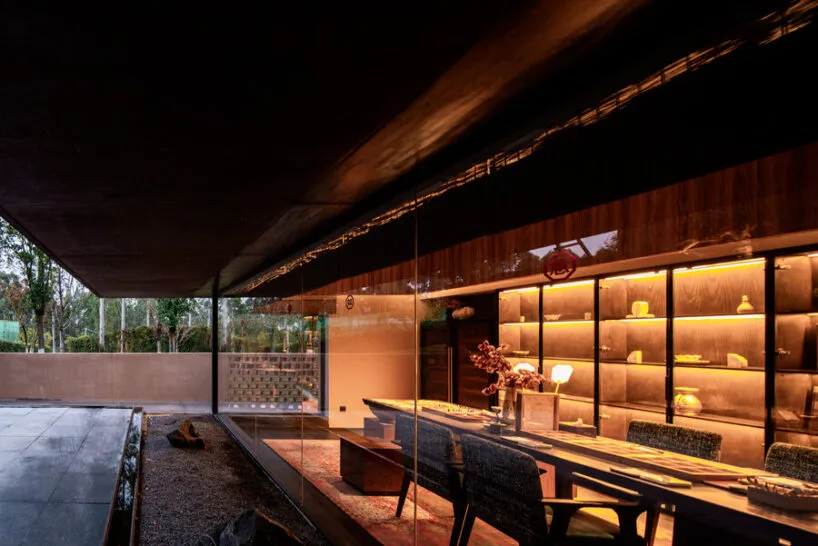
In a world full of renderings that promise buildings from the future, line+ made something that feels like it came from the earth itself. If you're the sort of person who thinks architecture should respond to its context rather than fight it, this project is going to live in your brain for a while.
Red valleys and volcanic stone. Turns out the best design materials were underground the whole time.