If you've ever moved cities, watched a childhood neighborhood get bulldozed for a mall, or just felt weirdly nostalgic about a place you can't quite return to - the India Pavilion at the 2026 Venice Biennale might just wreck you emotionally. In a good way.
According to Designboom, the pavilion brings together five contemporary Indian artists who are all grappling with the same haunting idea: what happens to the concept of home when the actual place transforms beyond recognition, vanishes entirely, or just drifts further and further out of reach?
Craft as a kind of emotional GPS
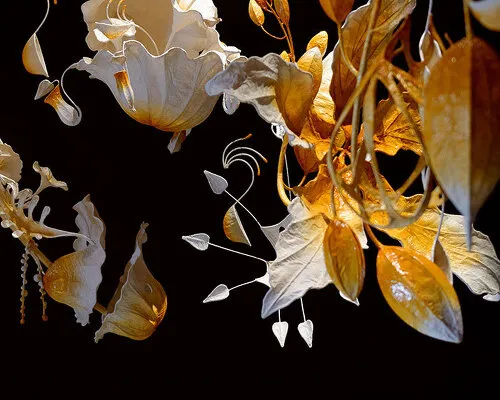
The clever twist here - and it is a genuinely clever one - is that these artists aren't leaning on photographs or video diaries to answer that question. They're reaching for material traditions. Weaving, pottery, textile work, handmade objects rooted in specific regional practices from across India. The kind of craft knowledge that gets passed down through hands rather than written down anywhere.
The argument the pavilion seems to be making is a quietly radical one: that craft is how cultures remember themselves. When a place changes or disappears, the gestures and techniques that came from that place might actually outlast the geography. Your hands can carry a home your feet can no longer visit.
Why this matters beyond the art world bubble
Venice Biennale coverage can sometimes feel like dispatches from a planet where everyone wears interesting glasses and speaks exclusively in thesis statements. But this pavilion is touching something much more universal.
Displacement, migration, urban transformation - these aren't niche experiences. Hundreds of millions of people globally are navigating exactly this kind of rupture between where they came from and where they are. The India Pavilion is essentially arguing that craft traditions are a form of portable identity. Which is, when you think about it, profoundly human.
It's also a smart counter-narrative to the idea that heritage craft is purely nostalgic or decorative. Here, it's doing heavy philosophical lifting.
The lineup
Five contemporary artists drawing from material traditions spread across an extraordinarily diverse subcontinent means this isn't a single unified aesthetic statement - it's more like a conversation between different kinds of remembering. That multiplicity is probably the whole point.
Whether you're a Biennale regular or someone who has never set foot in Venice, the premise here is worth sitting with: in a world where places keep slipping away from us, maybe what we make with our hands is the most honest answer to the question of where we're from.