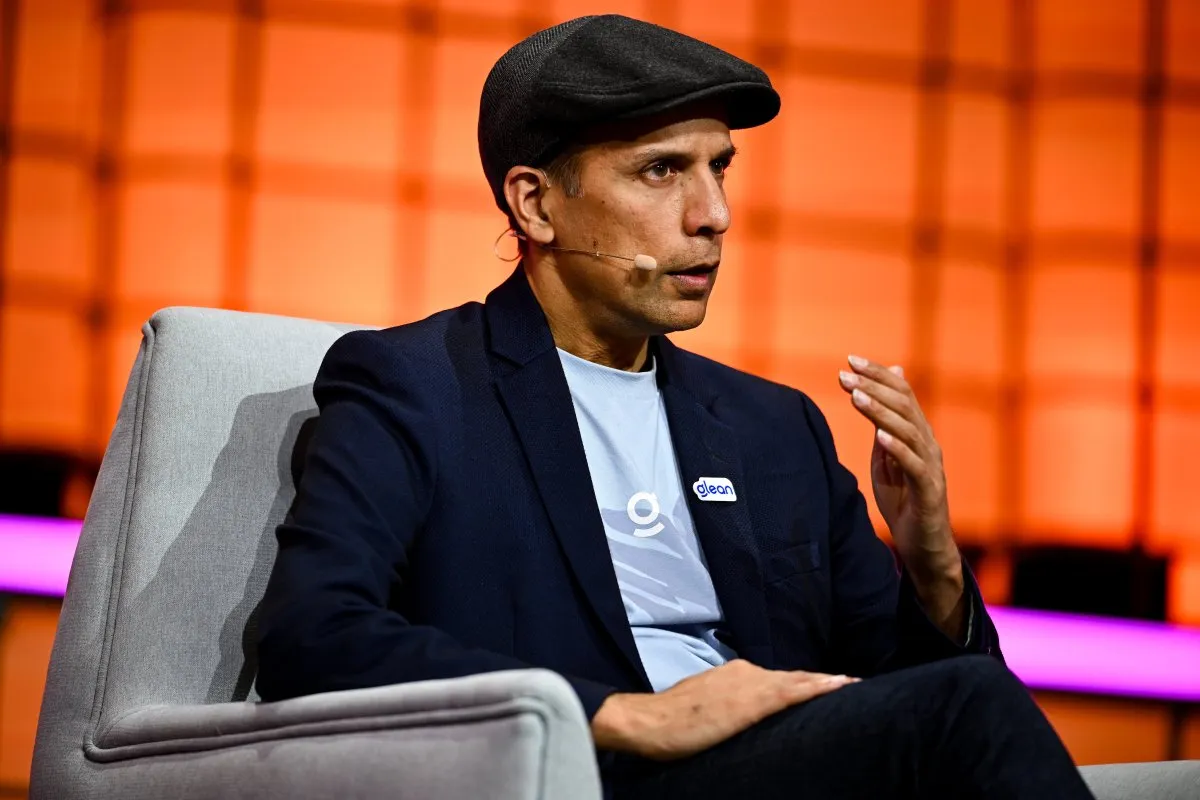
Nothing sells like telling someone they're being ripped off. Glean, the enterprise AI search startup, has apparently cracked the code on growing during an AI gold rush: convince companies they're buying too much AI.
According to TechCrunch, Glean's annual revenue has tripled, crossing the $300 million mark even as Google, Microsoft, and basically every tech giant with a GPU budget crashed into the enterprise search category. That's not a small feat. That's a "we survived the Death Star showing up" kind of achievement.
The most counterintuitive pitch in Silicon Valley
Here's where it gets interesting. Glean's big new selling point isn't that its AI is smarter, faster, or shinier than the competition. It's that their platform can actually replace a bunch of other AI subscriptions companies are already paying for. In a world where every CFO is side-eyeing their software budget like a suspicious spouse, "we'll help you cut costs" is basically a magic password.
It's the enterprise software equivalent of selling a diet pill inside a bakery. Bold. Effective. Slightly chaotic.
Growing while the giants move in
The fact that Glean kept growing while Microsoft and Google were busy duct-taping AI assistants onto every product they've ever made says something real about the market. Big tech can slap Copilot on Word all they want, but enterprises dealing with sprawling, messy internal data across dozens of tools apparently still need something purpose-built for search across all of it.
Glean sits in the middle of that mess and promises to make sense of it. And companies, it turns out, are willing to pay handsomely for that promise, especially when the pitch comes with a side of "and you can cancel three other subscriptions while you're at it."
What this actually means
The broader takeaway here isn't just a feel-good startup success story. It's a signal about where enterprise AI is heading. The "just buy everything and figure it out later" era of AI adoption is bumping up against budget reality, and tools that can credibly claim to consolidate and simplify are going to win the next phase.
Glean is betting that being useful AND cheaper than the alternative is a more durable advantage than being the flashiest new model on the block. Given that they just tripled their revenue while Big Tech was actively trying to eat their lunch, it's hard to argue with that logic.
The AI arms race is real. But apparently, so is AI fatigue.