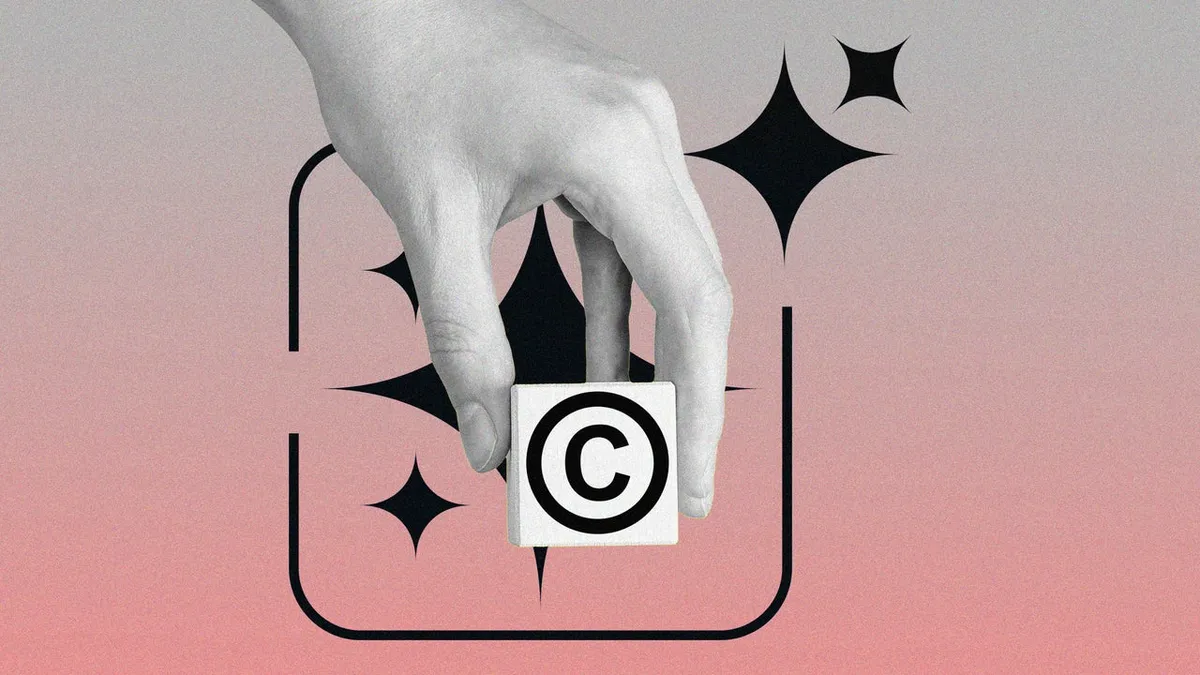
Picture this: you spend years honing your craft, pouring your soul into your writing, your art, your music - and then a trillion-dollar AI company slurps it all up to train a model that will eventually replace you. Cool. Great. Love that for us.
This is, broadly, the situation creatives have found themselves in over the last few years. And while the lawsuits pile up and the think-pieces multiply, one startup has apparently decided to try something radical: actually fixing the problem.
The core issue is sneakier than you think
As Fast Company reports, the atmospheric power of a sentence - the kind of opening that makes you feel a storm in your bones before you've even registered the words - can be lifted, repurposed, and fed into a machine without the original creator seeing a single cent. It's not always about copying text verbatim. It's about style, voice, and the ineffable quality that makes a piece of writing actually good. AI models absorb all of it.
The problem isn't just ethical, it's structural. There has been no real mechanism for AI companies to fairly compensate the people whose work made their models worth anything in the first place. It's a bit like building a restaurant entirely out of stolen recipes and then acting confused when the chefs get annoyed.
So what's the proposed fix?
The startup in question is working to build a framework where AI companies can license creative work properly - meaning creatives get to know their work is being used, and potentially get paid for it. Novel concept, right?
Think of it as trying to create a functional marketplace where right now there's just a free-for-all buffet. Instead of creators having to individually sue massive corporations (exhausting, expensive, and hit-or-miss), there would be a system that handles attribution and compensation at scale.
Why this actually matters
Here's the thing - this isn't just about fairness, though that would be enough. It's about the long game. If AI companies hoover up all existing creative work and then the economic conditions for making new creative work collapse, what exactly are future AI models going to train on? Each other? We've seen what that produces. It's not pretty.
The creative ecosystem and the AI industry are, whether they like it or not, completely dependent on each other. A startup building the infrastructure for that relationship to be something other than pure extraction deserves at least a serious look.
Peace between Silicon Valley and the artists it has been cheerfully strip-mining? It sounds unlikely. But someone has to try.