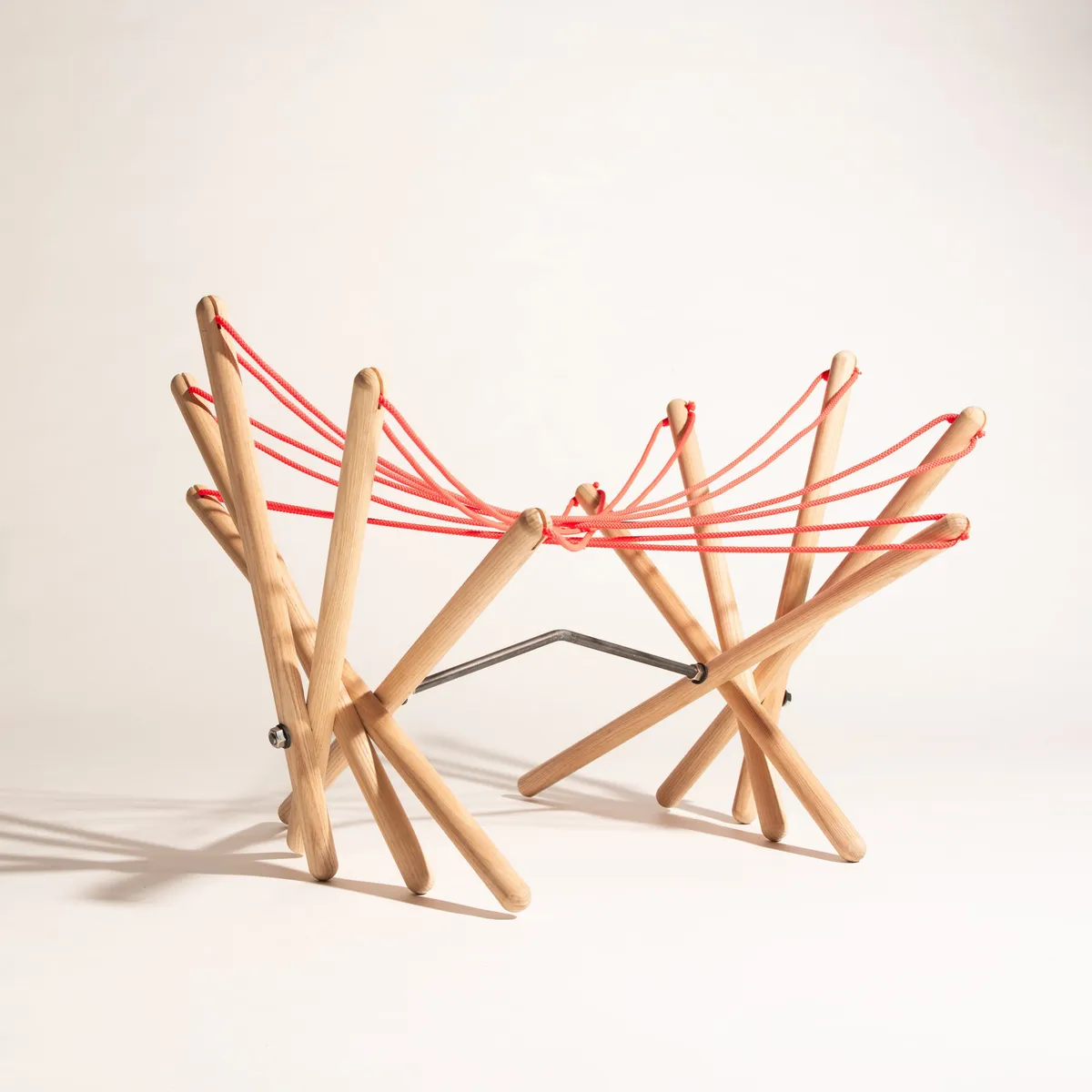
Remember cat's cradle? That string game you played as a kid until someone inevitably tangled everything into an unsalvageable knot? Well, designers in Japan looked at that chaotic web of cord and thought - yeah, that should be a stool.
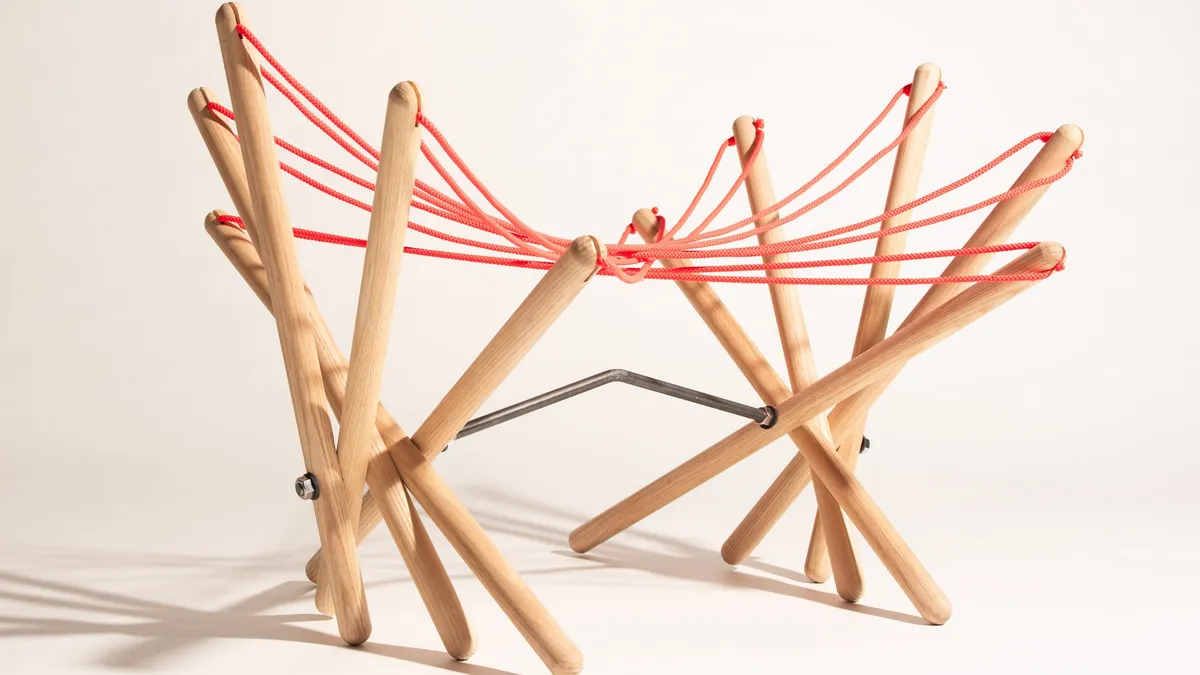
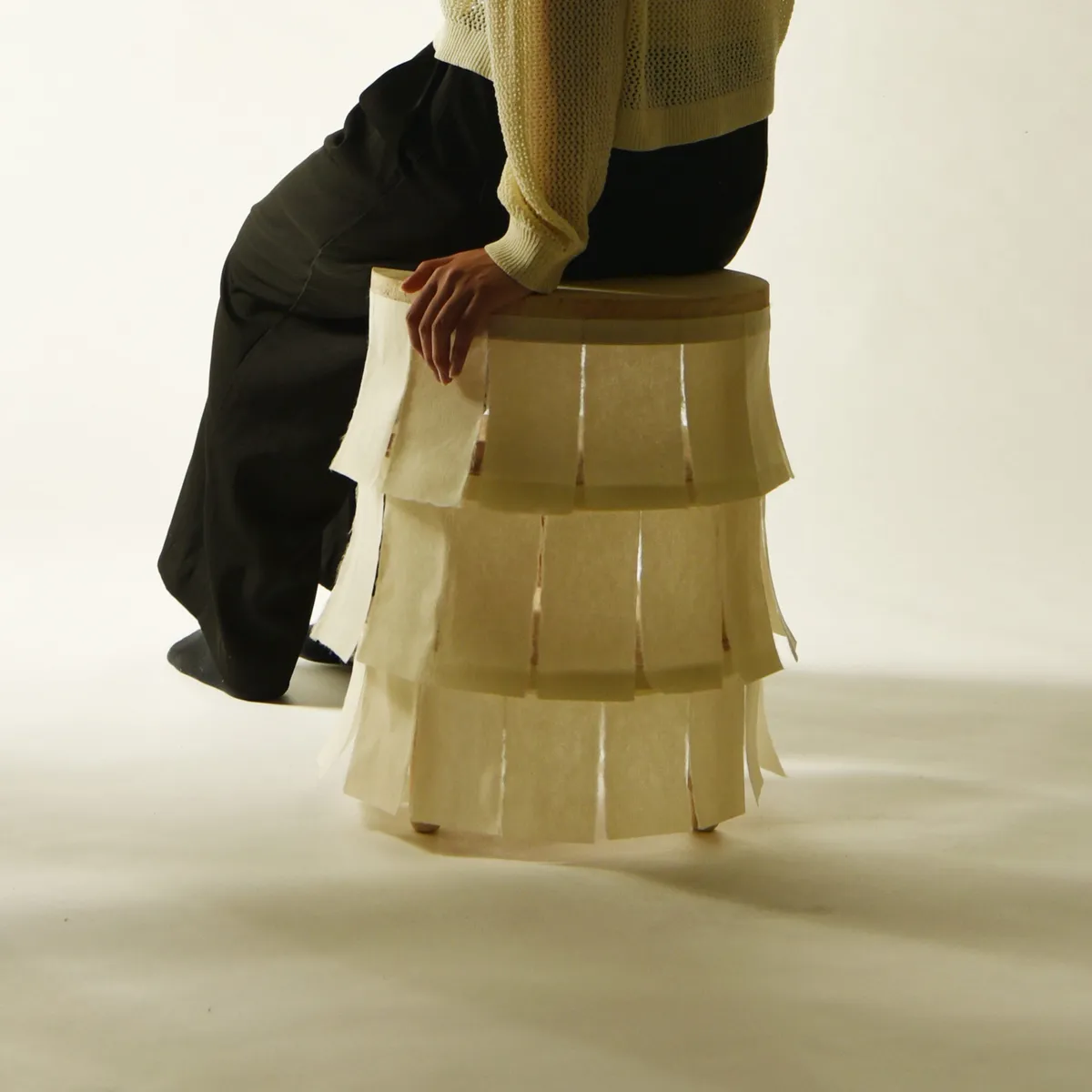
According to Dezeen's School Shows, students at Okinawa Prefectural University of Arts have been cooking up some genuinely fascinating graduation projects, and the standout is an adjustable stool built from cord and wood, directly inspired by a traditional Japanese string game. It's the kind of design concept that sounds completely unhinged until you actually see it - and then you immediately want one in your living room.
Why this actually makes a lot of sense
The beauty here isn't just aesthetic. String and tension-based structures are genuinely brilliant engineering - think suspension bridges, tennis rackets, and every hammock you've ever fallen asleep in. Applying that logic to a stool that's also adjustable? That's not just vibes, that's biomechanics with personality.
There's also something deeply satisfying about furniture that references play. We spend so much time treating design as Serious Adult Business that it's genuinely refreshing when someone loops back to childhood logic and asks "but what if it was fun, though?"
The rest of the class wasn't slacking either
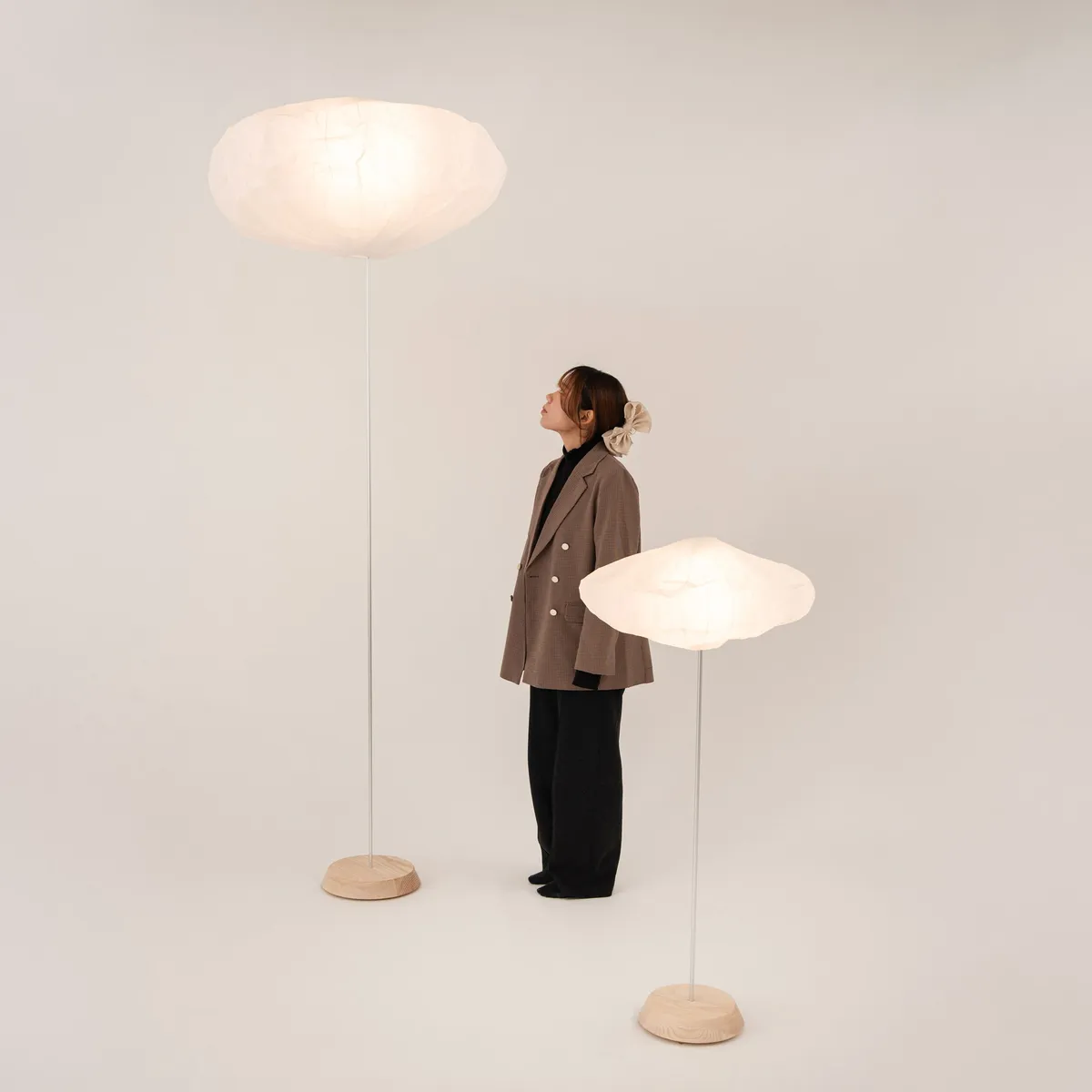
The string stool wasn't the only showstopper from Okinawa. The same showcase featured a shelving unit that takes cues from traditional Okinawan architectural forms - because apparently these students are out here doing cultural preservation AND interior design simultaneously. No big deal.
Also in the mix: a tray made from discarded wood, which might sound modest but is exactly the kind of quiet, considered sustainability that doesn't need a press release to make its point. Less "eco-friendly brand story," more "I found something beautiful in what someone threw away."
The bigger picture
What makes this cohort interesting is how deliberately local their references are. Okinawa has a distinct cultural identity - its own architectural traditions, its own crafts, its own games - and these students are clearly mining that specificity rather than chasing some globally generic design language.
In a world where a lot of design school work looks like it was made for the same hypothetical Scandinavian apartment, seeing students go deep into their own backyard is both refreshing and, honestly, a little bit of a flex.
Dezeen's School Shows continues to be one of the better arguments that the most interesting design thinking right now isn't coming from established studios - it's coming from students who haven't yet been told what they're not allowed to do.