IKEA has done a lot of things over the years - given us furniture we can never quite reassemble after moving, made meatballs a design-week conversation piece, and somehow convinced us that a tiny pencil is all we need to make major life decisions. But their latest move at Milan design week might actually be their most interesting yet.
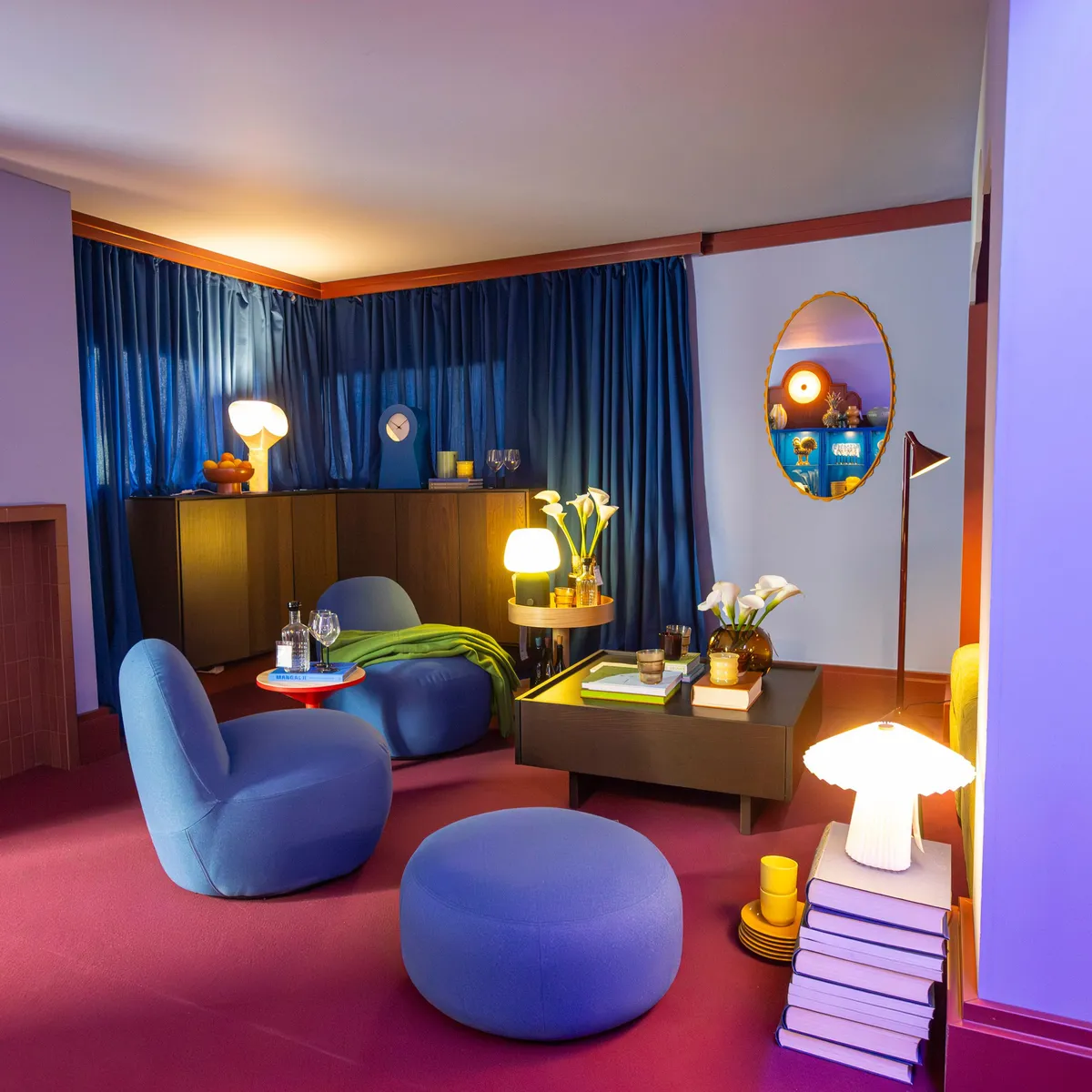
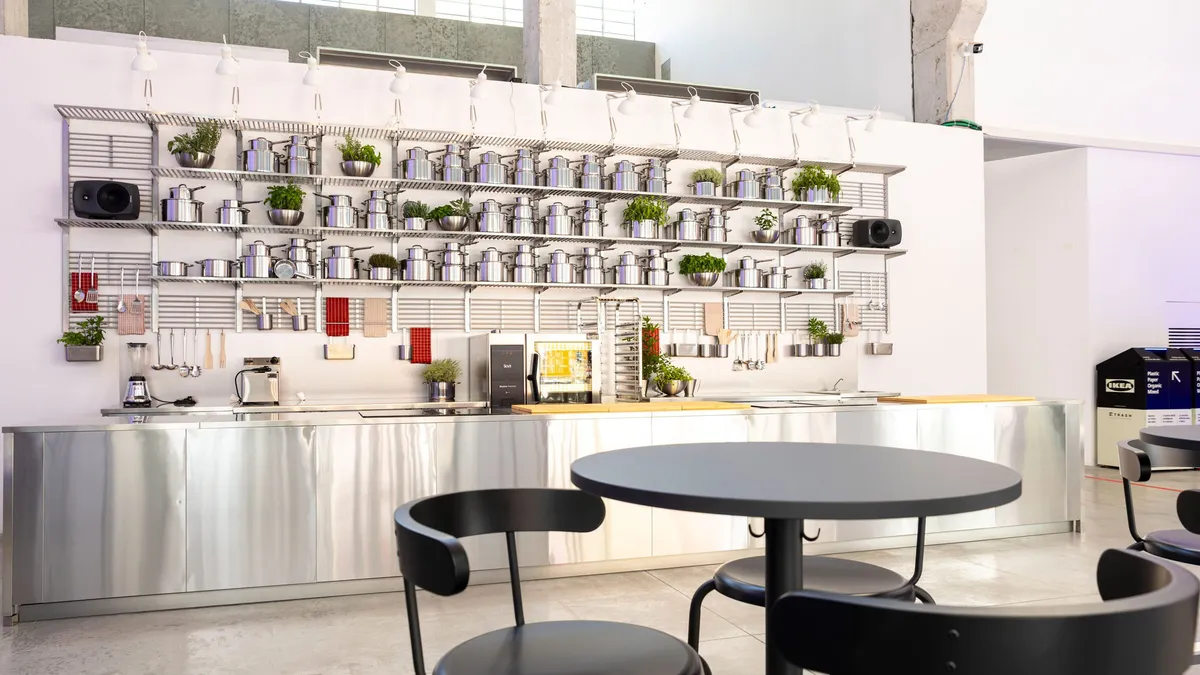
The Swedish giant unveiled an exhibition called Food for Thought, where designers and chefs were paired up to reimagine domestic spaces through the lens of food. Yes, actual chefs. Working with actual designers. On spaces you might actually live in. As reported by Dezeen, the collaboration explores how our cooking and eating rituals shape the everyday environments we inhabit.
Why this is actually a big deal
Here's the thing - we talk endlessly about kitchen design, dining room aesthetics, and open-plan living, but we rarely ask the people who actually know food to weigh in on the spaces built around it. It's a bit like designing a recording studio without consulting a musician. Functional? Maybe. Inspired? Not quite.
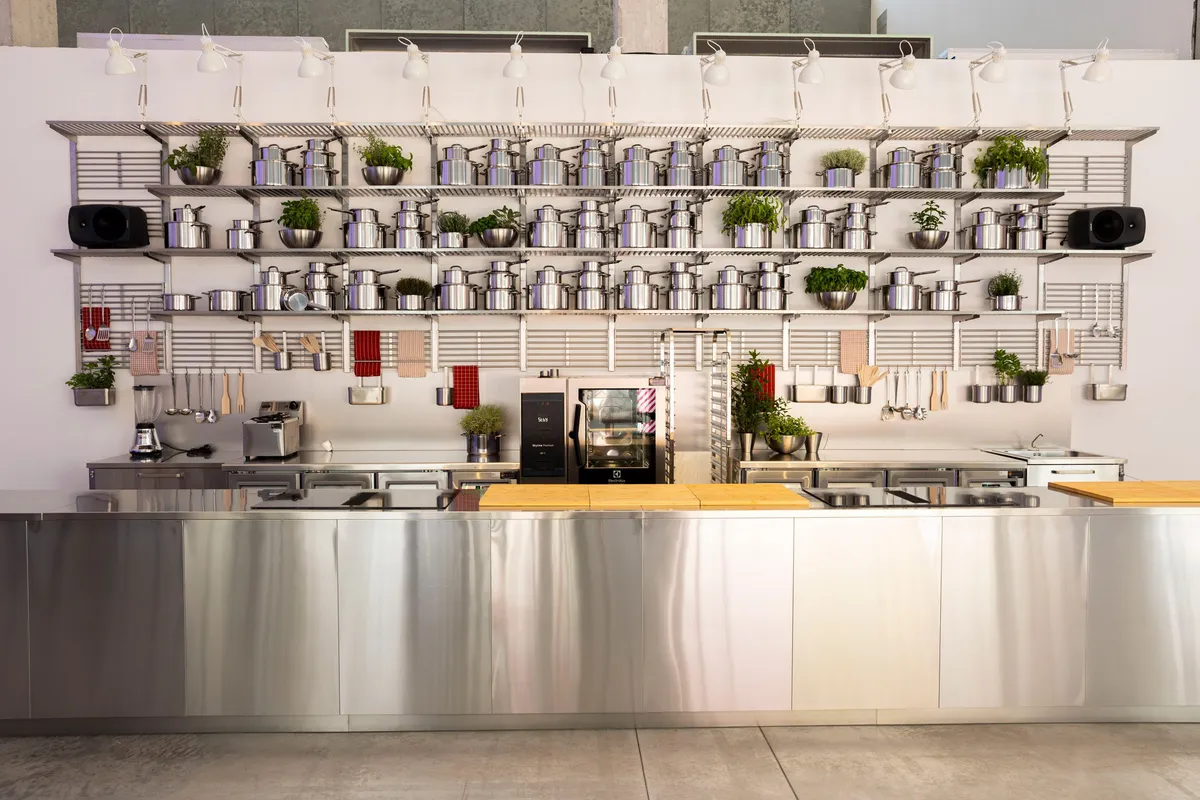
By putting chefs and designers in the same room (and presumably the same kitchen), IKEA is nudging at something genuinely interesting: that the way we eat isn't just a lifestyle choice, it's an architectural one. How you chop, plate, share, and linger over a meal shapes what a home needs to feel and function like.
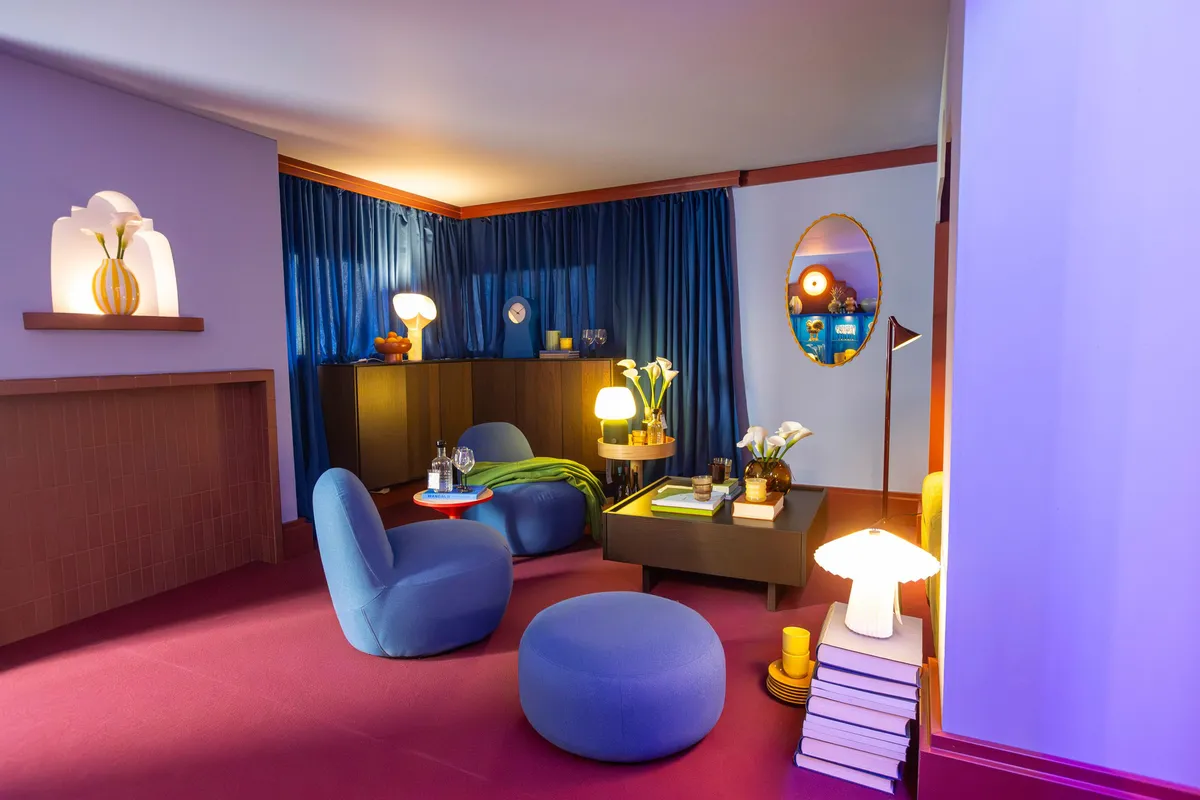
Milan design week as the perfect stage
There's no better place to make this argument than Milan design week, where the entire city becomes a gallery and everyone is primed to look at ordinary objects like they've never seen a chair before. Dropping a food-meets-furniture concept into that environment is smart positioning - it's provocative enough to spark conversation, but grounded enough (it's IKEA, after all) to feel relevant to actual humans with actual homes.
And let's be real - IKEA has always understood that design isn't just for people with architectural digest subscriptions. Food for Thought feels like an extension of that democratising instinct, just applied to the question of how ritual and routine should inform the spaces we live in.
The takeaway
We spend an enormous amount of time eating, cooking, and hovering awkwardly near the fridge at midnight. Maybe it's about time the spaces designed around those moments got input from people who actually think deeply about food. IKEA, of all companies, decided to make that happen - and it's worth paying attention to.