Here's a fun game: next time you read a news article, ask yourself whether a human actually wrote it. Increasingly, the answer is a shrug emoji. According to a piece over at Wired, AI-assisted writing is quietly colonising newsrooms everywhere, dressed up in the respectable blazer of "efficiency." Cool! Great! Nothing to worry about here!
The efficiency trap
Publishers love the word efficiency. It sounds responsible and forward-thinking and definitely does not mean "we want to pay fewer humans to do more work." But when AI starts drafting stories, something slips through the cracks that no algorithm can easily replace - the weird, stubborn, deeply human instinct that makes a journalist decide this story matters, and here is why you should care about it.
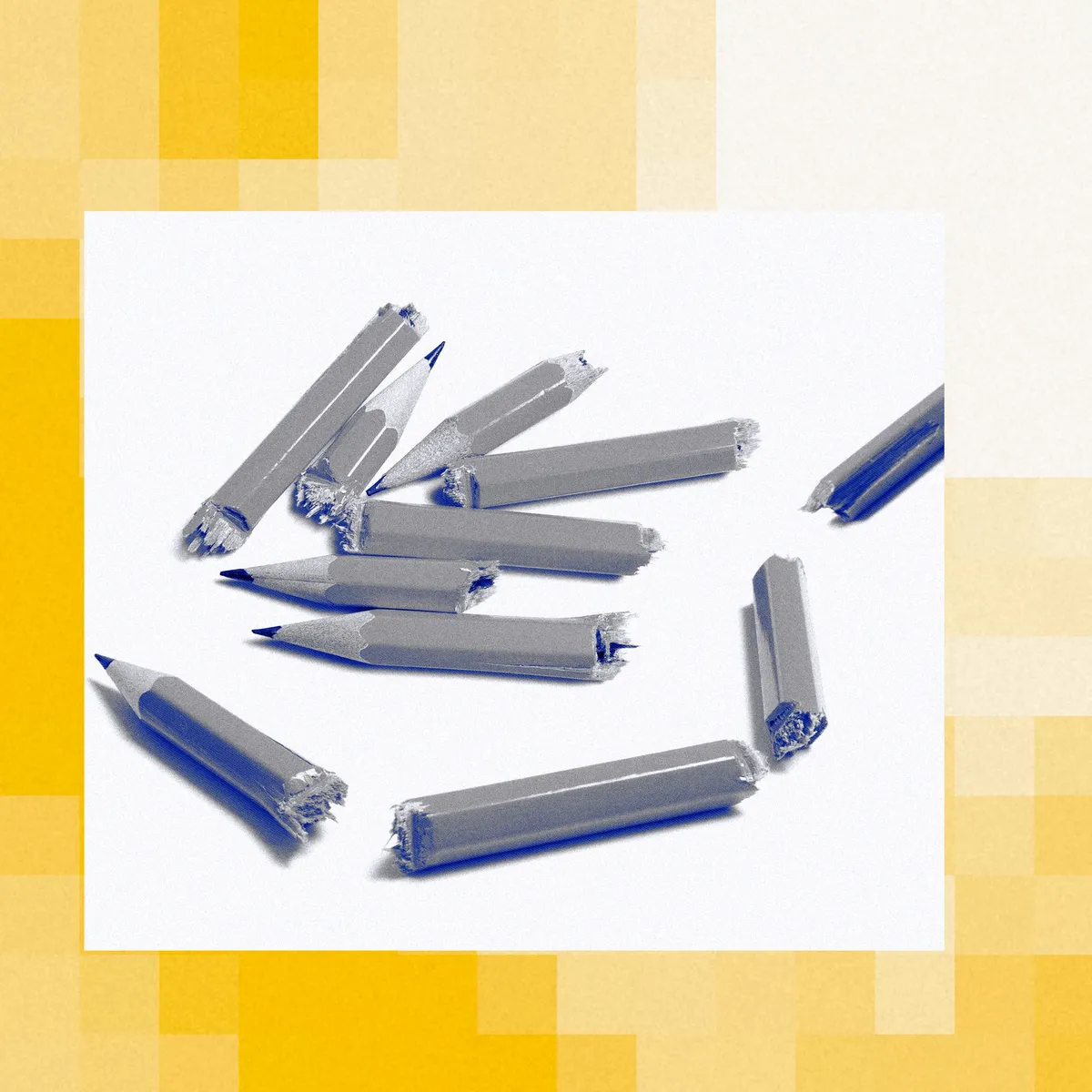
That instinct is not a feature you can bolt onto a language model. It is the whole point.
What's actually being traded away
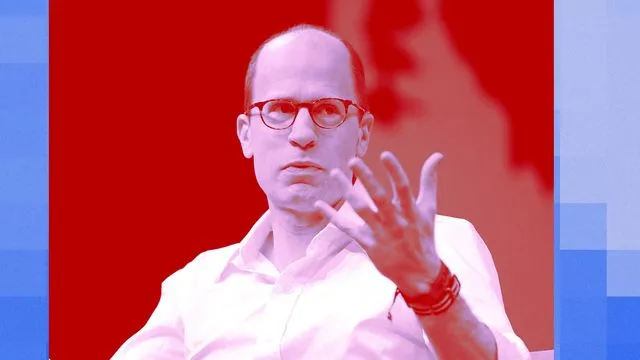
The Wired piece makes the case that the tradeoff here is more profound than most publishers want to sit with. Yes, AI can produce clean, serviceable copy fast. But journalism isn't just sentence production - it's judgment. It's knowing when to push back on a source, when a press release smells funny, when a "routine" story is actually a cover for something messier and more important.
Efficiency is great for filing your taxes. It's a slightly terrifying value system to apply to the people responsible for telling you what's happening in the world.
Why this matters beyond the newsroom
If you're thinking "okay but I'm not a journalist, why should I care" - hi, welcome, glad you're here. You should care because the downstream effect of AI-generated news is AI-informed public understanding of reality. That's not a small thing. Bland, optimised, statistically-average prose doesn't just fail to inform - it actively smooths over the rough edges where the actual truth tends to hide.
The creep is subtle, which is precisely what makes it dangerous. It's not a dramatic robot takeover. It's a slow negotiation where each small concession seems reasonable until you look up one day and wonder where all the journalists went.
Publishers are betting readers won't notice the difference. The more interesting question is whether they're right - and whether we're going to let them find out.