If you've spent any time on BookTok lately, you've probably noticed a growing wave of readers announcing they're done with Amazon's Kindle. Whether it's frustration with device discontinuations, privacy concerns, or just a desire to support a less dominant tech giant, the Kobo is having a genuine moment in the spotlight.
But before you sell your Kindle and order a Kobo, it's worth slowing down and thinking through what the switch actually involves - because it's more complicated than swapping one gadget for another.

What makes Kobo appealing right now
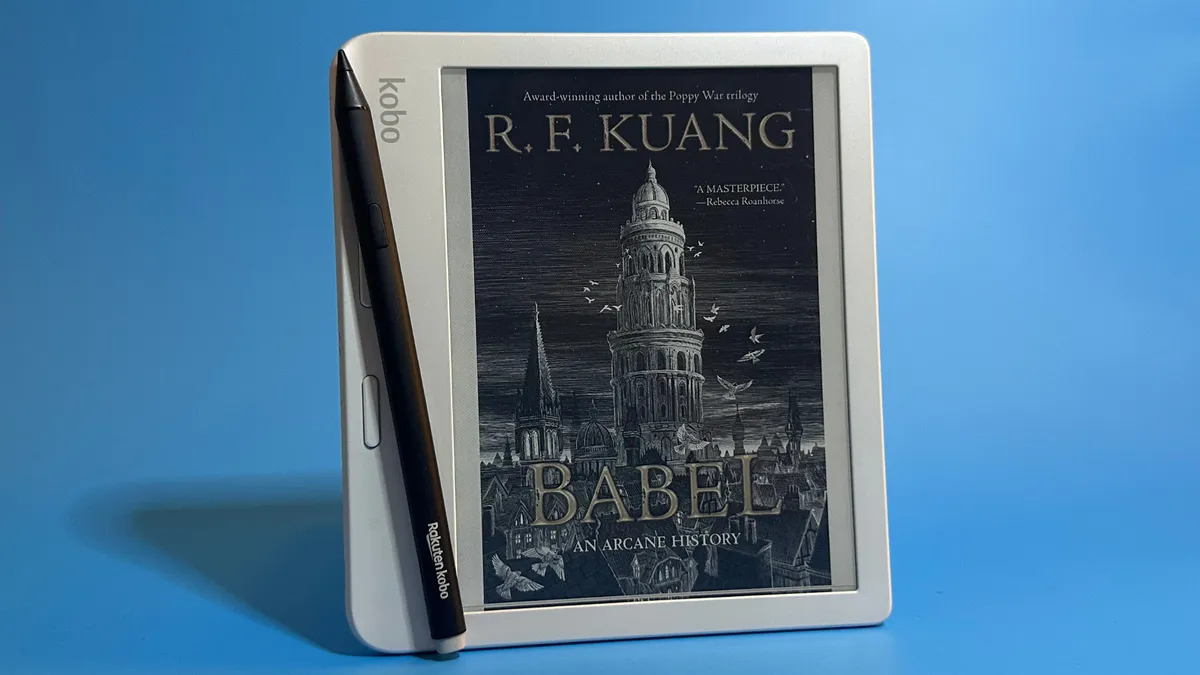
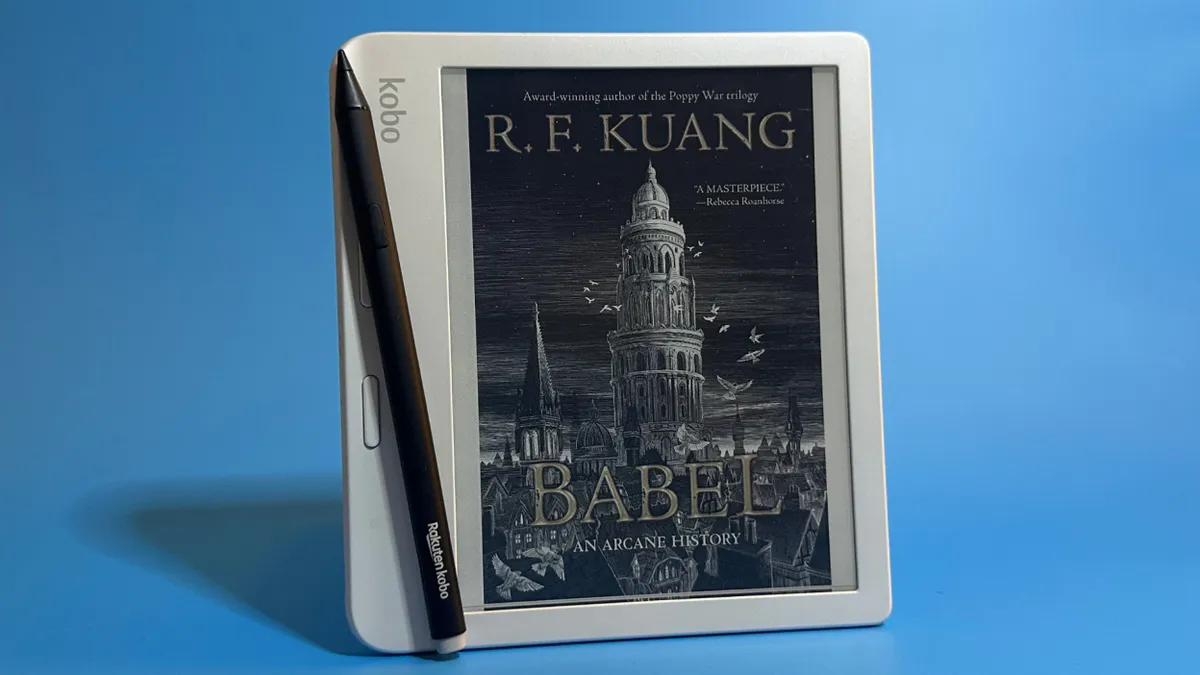
Kobo, which is owned by Japanese company Rakuten, has built a reputation for solid hardware and a more open approach to ebooks. Unlike Kindle, Kobo devices support the ePub format, which means you can download books from libraries, independent bookshops, and other sources beyond a single retailer's walled garden. That flexibility is a big deal for readers who want more control over their digital libraries.
Kobo also integrates with Overdrive and Libby, making it genuinely easy to borrow ebooks from your local library - a feature that resonates strongly with readers who feel like they've been paying too much for digital books they don't technically own.
The catch with leaving Kindle
Here's the part that trips people up: all those Kindle books you've purchased over the years? You can't simply transfer them to a Kobo. Amazon uses its own DRM (digital rights management) format, which locks your purchases to their ecosystem. Losing access to your existing library is a real cost that's easy to underestimate when you're caught up in the excitement of switching.
There are workarounds - some more legally grey than others - but none of them are particularly seamless. For casual readers with a modest Kindle library, the switch might feel effortless. For someone who's been buying ebooks since 2012, it could feel like starting over.
So, is the Kobo grass actually greener?
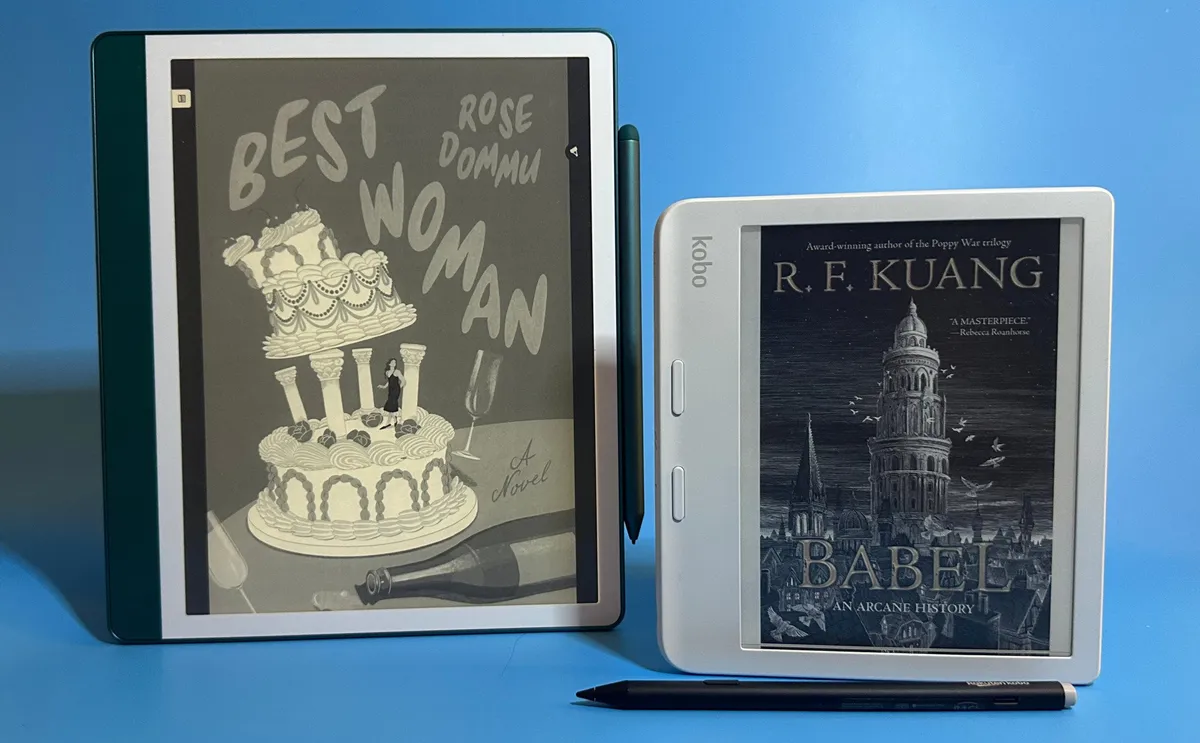
Honestly, it depends on your priorities. If you value an open ecosystem, library borrowing, and stepping outside Amazon's orbit, Kobo is genuinely excellent hardware with a lot to offer. The Clara and Libra models in particular get strong reviews for their build quality and reading experience.
But if your existing Kindle library is extensive and you're mostly happy with how things work, the switch might cause more friction than it's worth - at least right now.
The best move? Do the honest audit of your own reading habits before you commit. The Kindle vs. Kobo debate isn't really about which device is better - it's about which ecosystem actually fits your life.