Forget everything you think you know about jelly. The wobbly, fruit-flavored afterthought you ate as a kid has nothing to do with what Thu Buser is making - and once you see her work, you won't be able to unsee it.
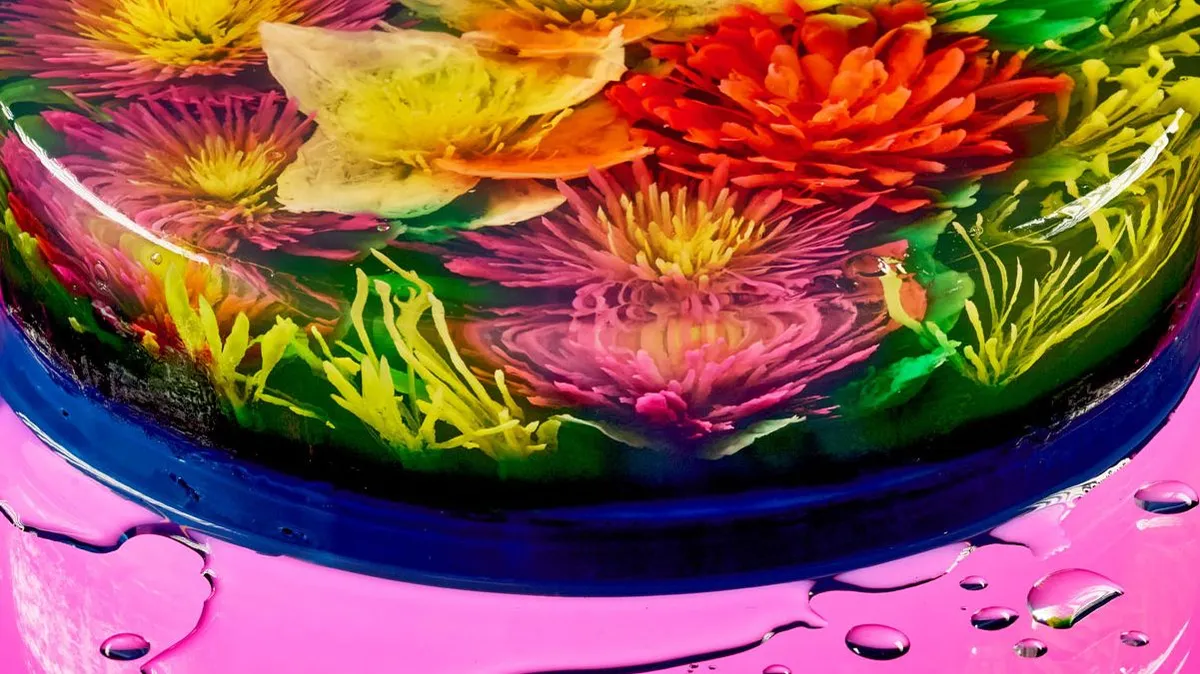
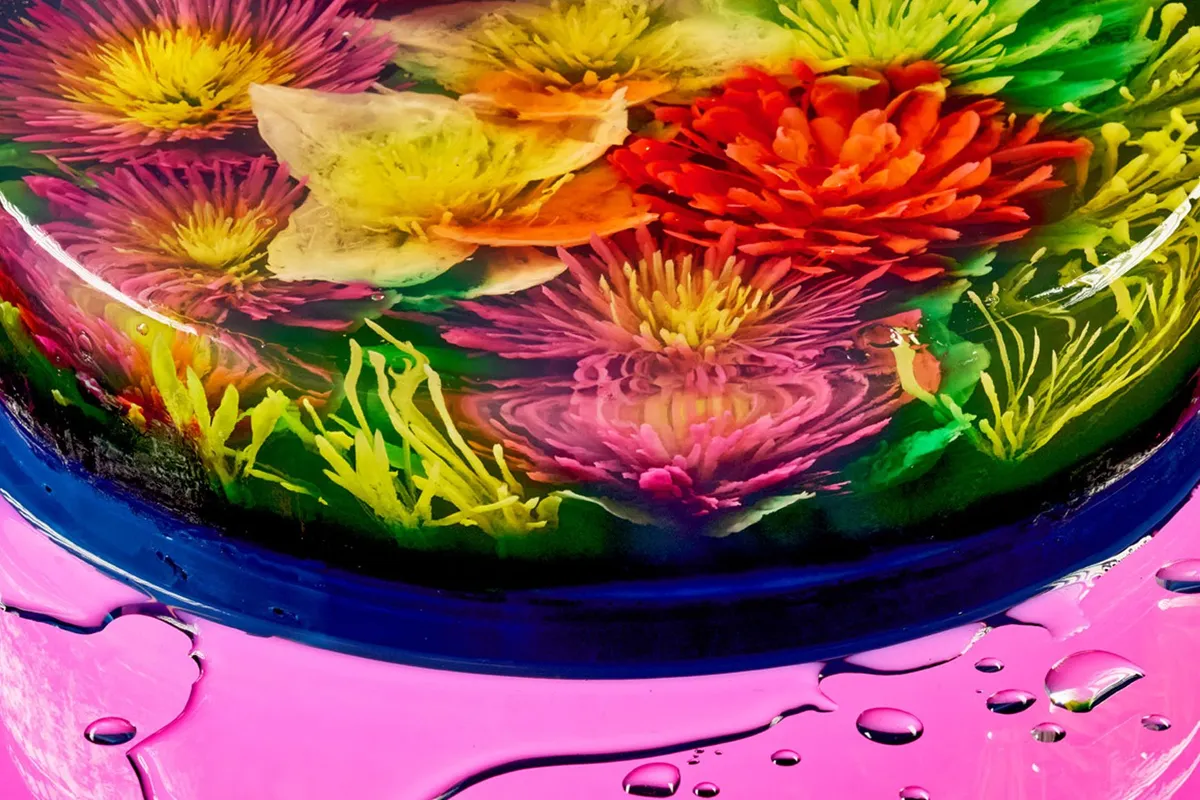
As reported by Bon Appétit, Buser's jellies are best described as portals into a hyperreal, maximalist world. We're talking luminous, jewel-toned creations that look more like something you'd find in a contemporary art gallery than on a dessert table. They're theatrical, otherworldly, and deeply intentional.
Why jellies, and why now?
There's something perfectly timed about this. We're living in an era that loves a good visual payoff - where food is increasingly expected to do double duty as both something delicious and something worth sharing. Jelly, with its translucency and sculptural potential, turns out to be a surprisingly perfect medium for that.
The format rewards creativity in a way that, say, a brownie simply doesn't. Light passes through jelly. Color layers and suspends within it. You can trap botanicals, fruits, or abstract shapes inside like a snow globe - or like a little preserved world unto itself.
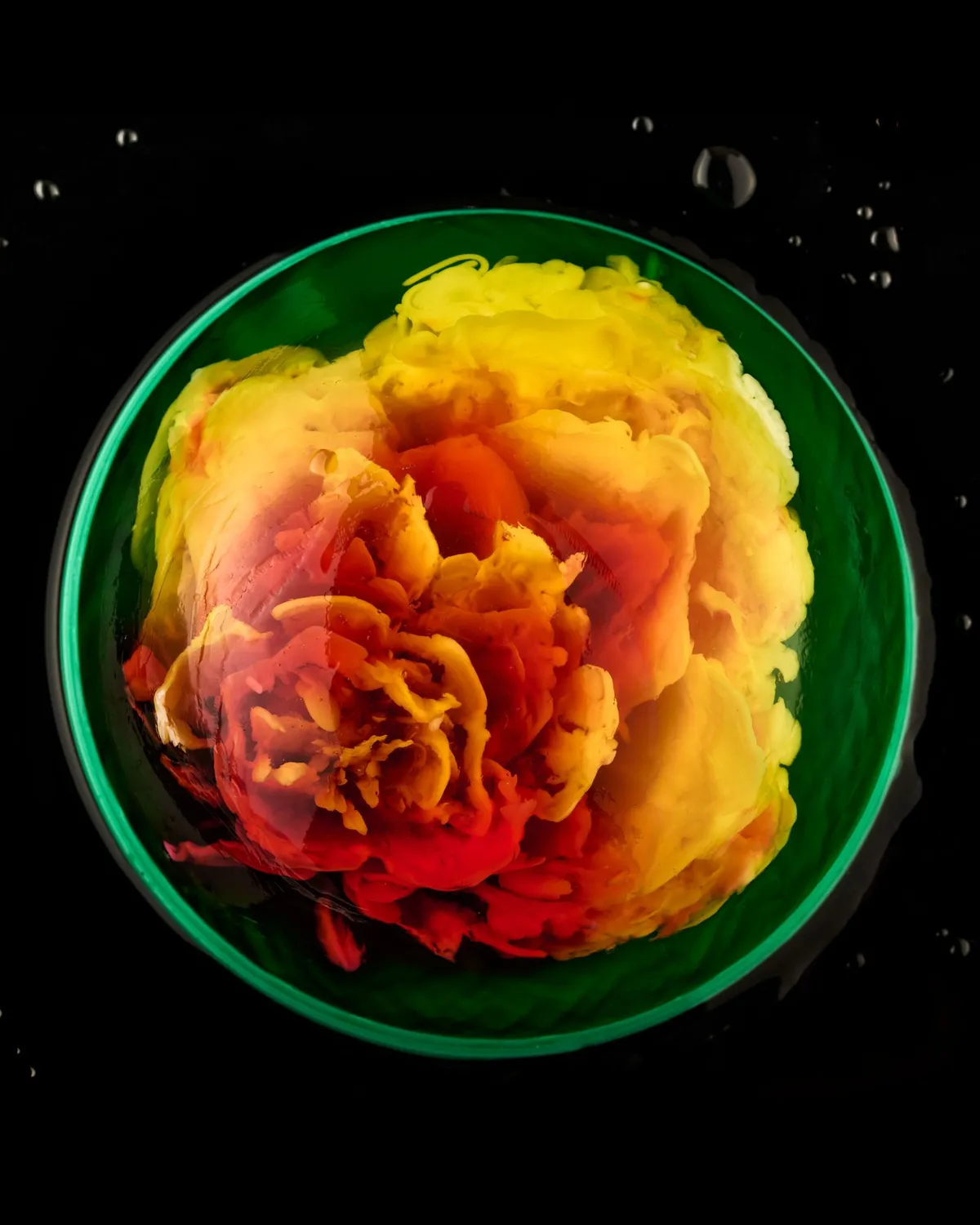
Buser leans all the way into that possibility. Her aesthetic is rich and immersive, the kind of thing that stops the scroll and makes you genuinely ask: wait, is that food?
More than a trend, more than a dessert
What makes Buser's work compelling beyond the visuals is the intention behind it. These aren't gimmicks dressed up as art. They're a considered exploration of what dessert can communicate - mood, memory, fantasy, abundance.
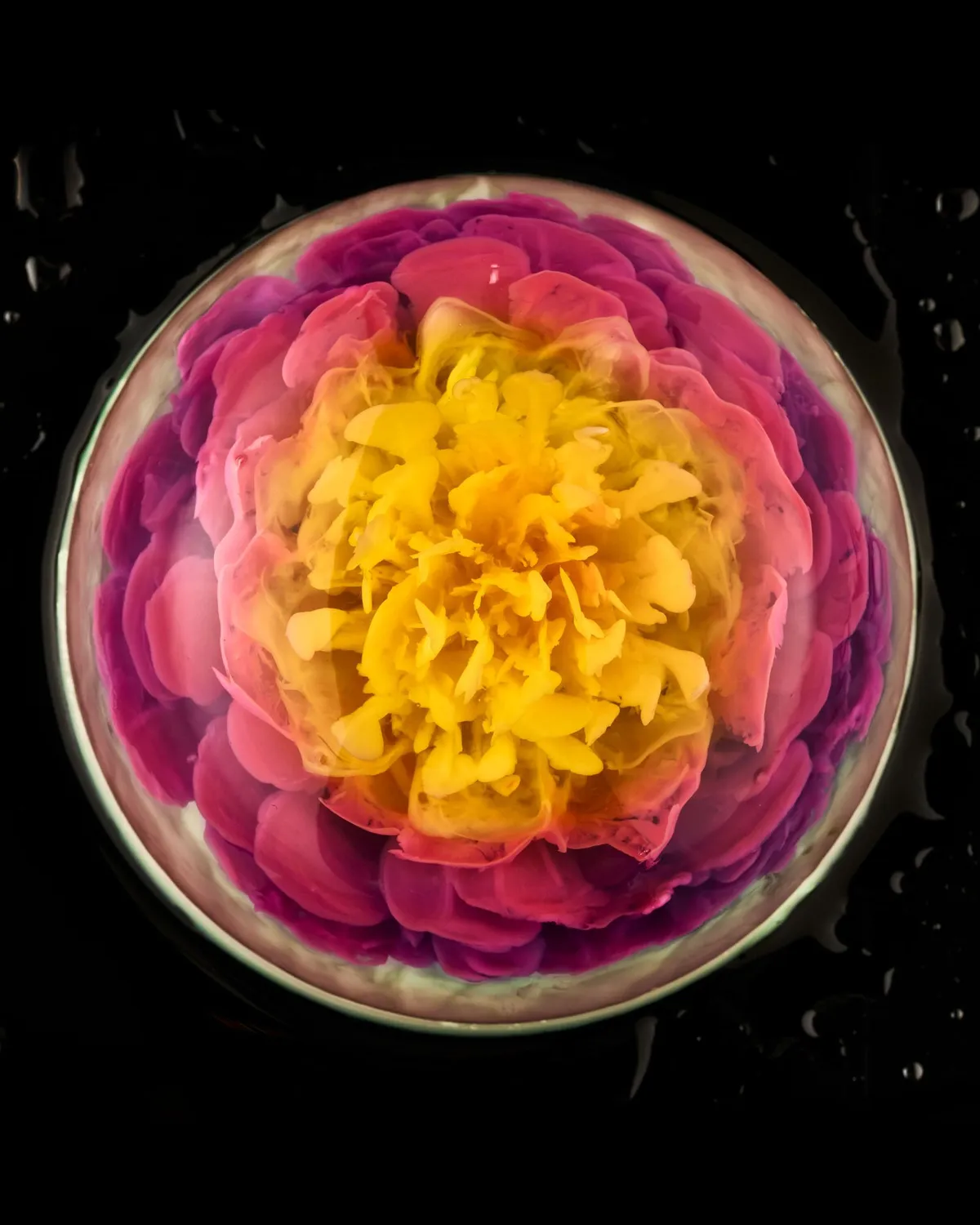
That maximalist impulse feels very of-the-moment. After years of minimalism dominating everything from interior design to food plating, there's a real cultural hunger for more. More color, more texture, more delight. Buser's jellies deliver exactly that, without ever tipping into chaos.
There's also something quietly subversive about elevating a humble, nostalgic format into high art. Jelly carries childhood associations for most of us - it's approachable, even a little silly. That familiarity is part of what makes encountering Buser's version so disorienting and exciting. She takes something you think you understand and flips it completely.
What this means for the rest of us
You don't need to be an artist to take something from this. The broader lesson is one about creativity and craft - about looking at an ordinary ingredient or technique and asking what it could become with real attention and imagination.
If nothing else, Buser's work is a good reminder that dessert doesn't have to be an afterthought. Sometimes it can be the whole point.