Spring is the most critical time of year for farmers. The ground thaws, the pressure builds, and every week of delay can mean a compromised harvest. This year, however, many farmers are dealing with a problem that has nothing to do with weather - and everything to do with a war unfolding thousands of miles away.
A chokepoint for more than just oil
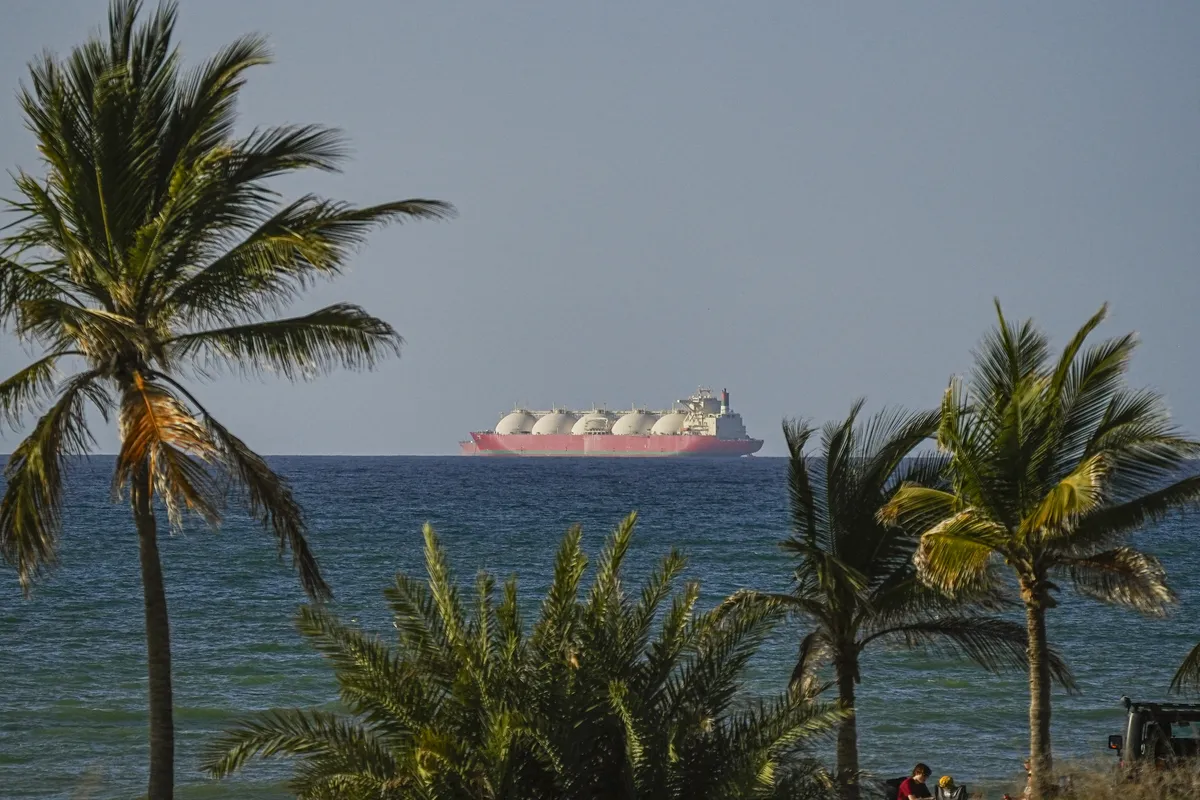
The escalating conflict in Iran has led to the closure of the Strait of Hormuz, one of the world's most strategically vital waterways. Most people know the strait as the passage through which a significant chunk of the world's oil flows - but that's only part of the story. The strait is also a critical route for fertilizer and the raw feedstocks used to produce it, and that's where the food supply chain starts to feel the pressure.
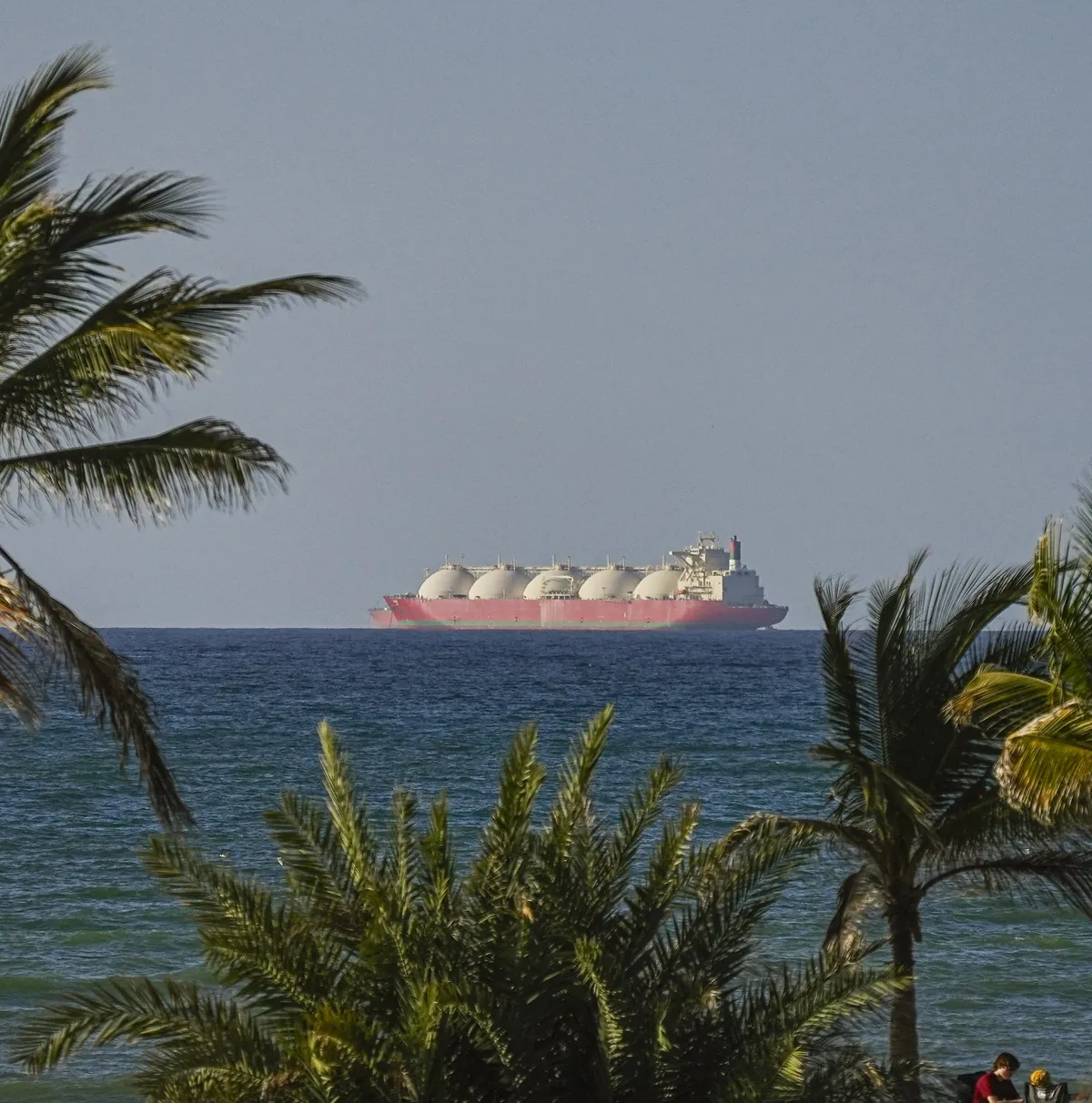
Fertilizer is not a nice-to-have. It's the foundation of modern agricultural output. Without it, or without access to it at a reasonable price and on a predictable timeline, farmers face impossible choices: plant less, absorb higher costs, or gamble on a season that may not pay off.
Why timing makes this so much worse
The closure couldn't have come at a worse moment. Spring planting windows are narrow. Miss them and you don't get a do-over - you simply lose yield. The disruption to fertilizer supply chains is arriving precisely when farmers are trying to secure inputs and get them into the ground, according to reporting from The Verge.
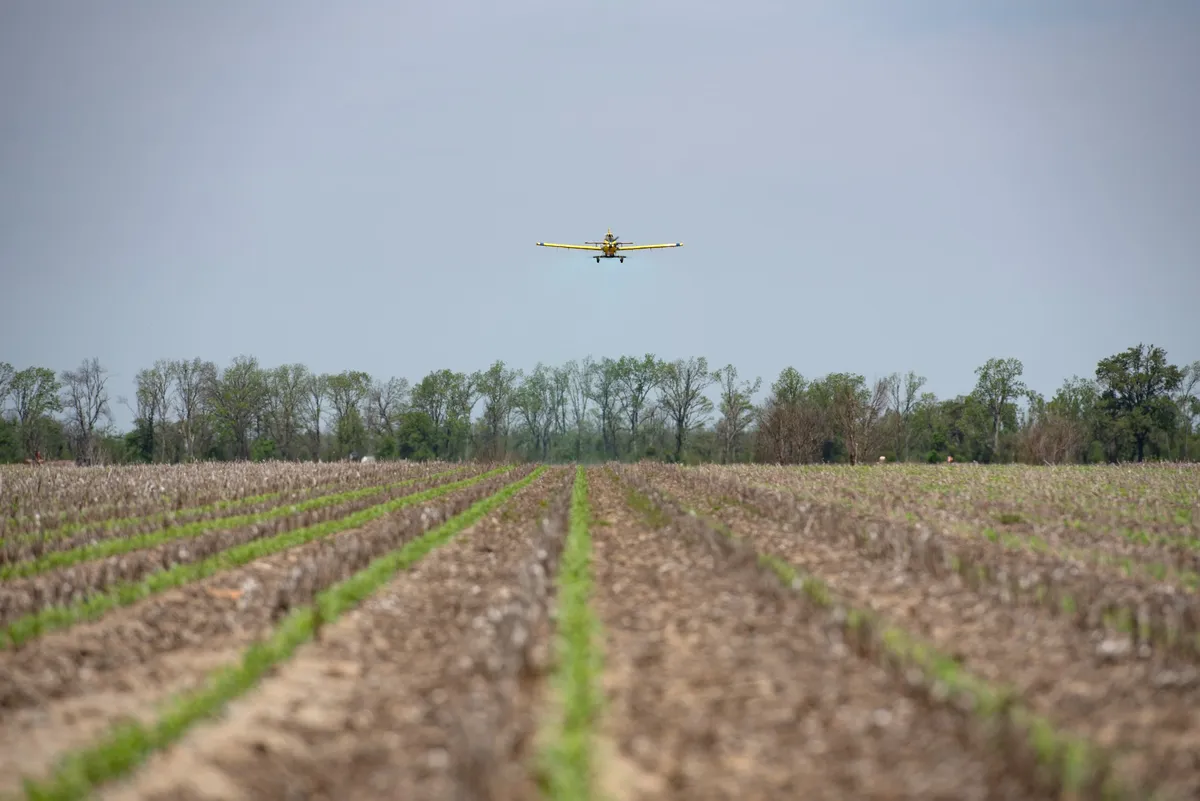
This isn't a sudden collapse. It's a slow-moving crisis, which in some ways makes it harder to respond to. There's no single dramatic moment that triggers emergency action - just a creeping tightening of supply, rising costs, and mounting uncertainty for the people who grow our food.
What this means for the rest of us
Food crises rarely stay contained to the farm gate. When production costs spike and harvests shrink, the effects ripple outward - through supply chains, into supermarkets, and eventually onto household budgets. People in lower-income countries that depend on food imports tend to feel these shocks first and hardest, but no market is entirely insulated.
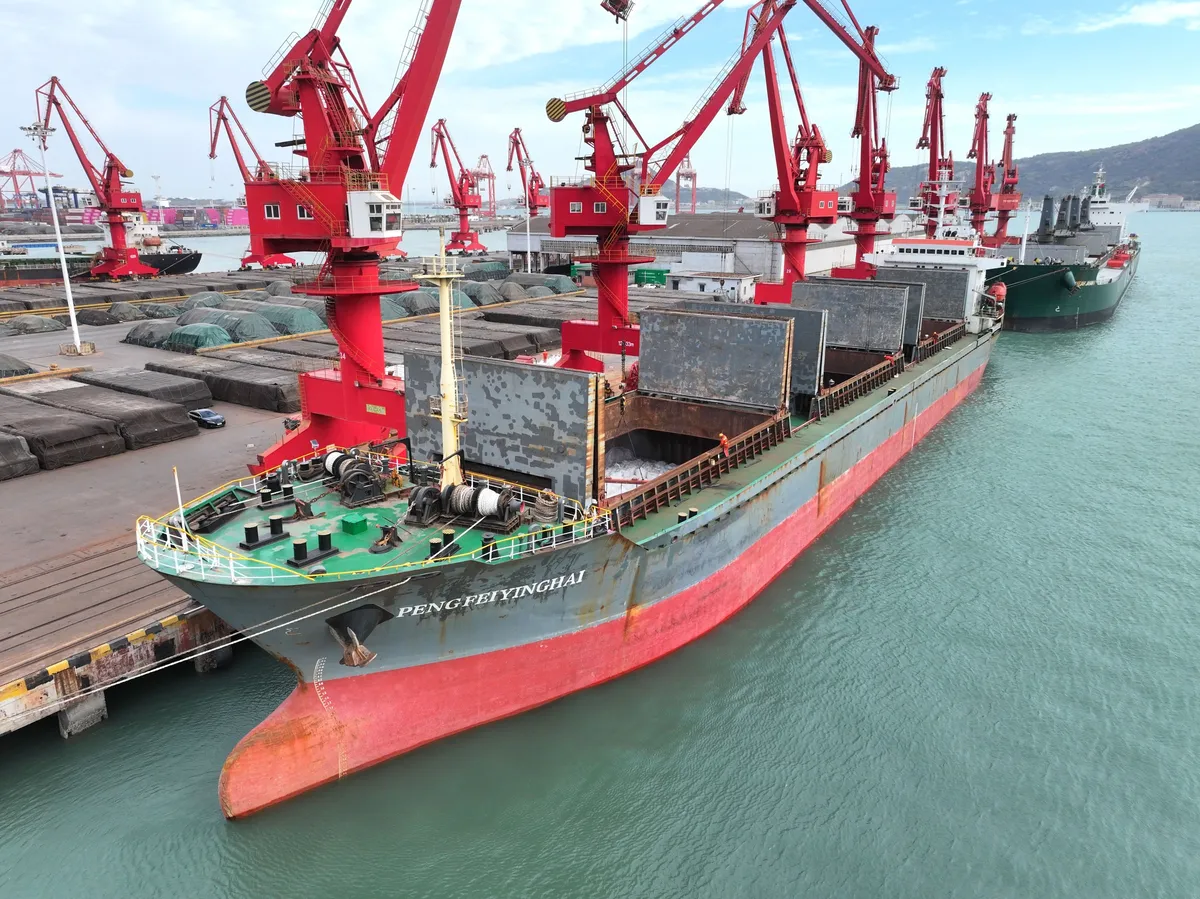
The situation is a reminder that the global food system is deeply interconnected with geopolitics in ways that don't always make headlines until they're already causing real harm. A ceasefire between the US and Iran was reportedly reached in early April 2026, offering a temporary pause - but the disruption to agricultural planning and supply chains doesn't simply reset the moment shipping resumes.
For now, farmers are doing what they always do: adapting, absorbing, and hoping the season turns out better than the headlines suggest.